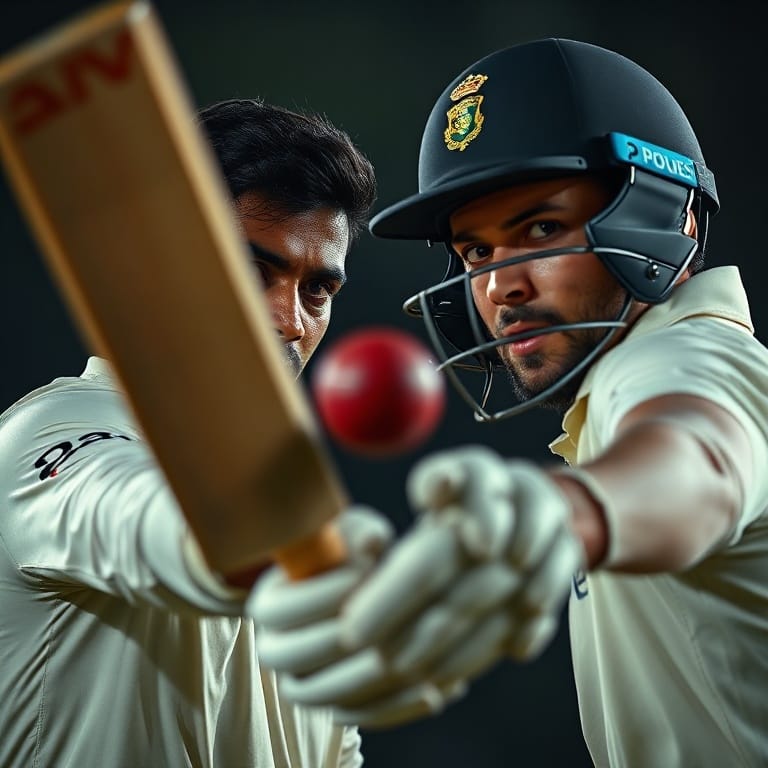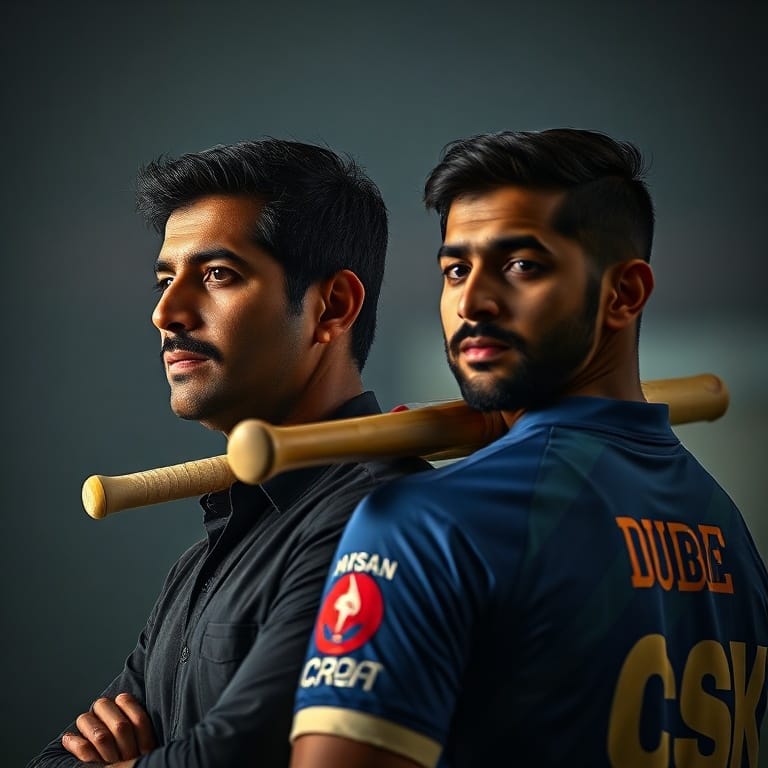
Zaheer Khan Blasts CSK Over Shivam Dube’s Batting Position After IPL 2026 Exit
Zaheer Khan Blasts CSK Over Shivam Dube’s Batting Position After IPL 2026 Exit
The end of CSK’s IPL 2026 campaign arrived in a thunderous defeat to Gujarat Titans, sparking a fresh debate on how the Chennai side utilised power-hitter Shivam Dube. Former pacer Zaheer Khan’s criticism adds another layer to a season that will be remembered for a few bright moments amid a broader collapse.
Match Context and Early Signals
Gujarat Titans posted 229/4 at the Narendra Modi Stadium, a target that demanded a steady chase rather than a solo slog. The innings was built on Sai Sudharsan’s crisp 84, Shubman Gill’s composed 64, and Jos Buttler’s finishing 57* that blended aggression with rotation. For CSK, the chase began under the shadow of a missing all-rounder in Ravindra Jadeja, a departure that left a vacuum both in the middle-order and the death overs.
Chennai’s top order fell to the early bursts of Mohammed Siraj and Kagiso Rabada, losing four wickets for just 30 runs. The damage was done before Shivam Dube even entered the field, meaning his 47 off 17 balls, though spectacular, came when the deficit was already too large to recover.
Tactical Analysis and Team Decisions
CSK’s decision to slot Dube at number 7 reflects a longstanding belief that the side prefers its big-hitters for the final overs. In a chase exceeding 220, that philosophy runs the risk of limiting a player’s impact, especially when the top order collapses early. The choice also suggested a lack of confidence in other middle-order options, a point Zaheer Khan highlighted when he urged the franchise to rethink the hierarchy.
From a bowling perspective, the absence of Jadeja forced CSK to rely heavily on Ruturaj Gaikwad’s occasional part-time spin and the emerging Akeal Hosein. Both showed promise but lacked the consistency required to contain a deep total on a flat, high-scoring surface like the Modi stadium, where the pitch offered minimal assistance to seamers after the powerplay.
Player Roles, Mindset and Venue Linkage
Shivam Dube thrives on forward momentum. His left-handed stance and clean-ball hitting suit the short-boundaries of Ahmedabad, where the bounce is true and the outfield is fast. By batting lower, CSK denied him the opportunity to settle, rotate strike, and carve a partnership that could have shifted pressure back onto Gujarat.
Ruturaj Gaikwad, a right-handed anchor, has historically performed well on slower tracks such as Chennai’s Chepauk, but at the Modi stadium his natural game of brisk running between the wickets was muted by the quick pace under his feet.
Akeal Hosein, the left-arm spinner from the West Indies, finds his best rhythm on surfaces that grip a little—like the spin-friendly tracks of Rajkot or Hyderabad—yet the flatness of Ahmedabad offered him little turn, reducing his wicket-taking threat.
The Stats Behind the Strategy
| Metric | CSK | GT |
|---|---|---|
| Runs Scored (Top 3) | Gaikwad 23, Dhawan 15, Dube 47* | Sudharsan 84, Gill 64, Buttler 57* |
| Boundaries (Total) | 12 (6 fours, 6 sixes) | 28 (14 fours, 14 sixes) |
| Wickets Lost in Powerplay | 4 (0–30 overs) | 1 (0–30 overs) |
| Run Rate Required @ 30 overs | 7.7 | 7.6 |
| Dube’s Strike Rate | 276 | — |
Notice the stark contrast in boundary count and early wicket loss. Gujarat’s ability to keep wickets in hand allowed them to accelerate on a pitch that rewarded aggression, while CSK’s premature dismissals forced a late-order scramble that never caught up.
What This Means for the Tournament and CSK’s Future
With the playoff picture now set, Gujarat Titans sit comfortably in the top two, their depth and balance proving decisive. For CSK, the exit triggers a reassessment of both batting order and bowling composition. The franchise will likely explore promoting Dube to the No. 5 slot, giving him a chance to build an innings before the death overs.
On the bowling front, the search for a Jadeja-type all-rounder is urgent. Whether it’s a seasoned domestic talent or a foreign import like Hosein, the new recruit must offer consistent overs, bat lower-order stability, and a magnetic presence in the dressing room.
Fan Perspective and Grounded Opinions
Chennai’s fanbase, accustomed to the calm authority of MS Dhoni, expressed frustration on social media. Many echoed Zaheer’s point, arguing that Dube’s impact was wasted and that the team’s traditional reliance on senior players like Suresh Raina (now retired) left a void of fresh aggression. Yet a handful of supporters defended the established order, citing Dube’s occasional inconsistency and the risk of exposing him too early.
What remains clear is that the emotional connection to CSK runs deep, and a single tactical misstep can feel like a betrayal. The upcoming off-season will be a testing ground for the franchise’s willingness to adapt, and the way they respond could define the next three years of IPL narratives.