Virat Kohli’s Tribute to RCB Physio Evan Speechly Highlights Unsung Heroes of IPL
Virat Kohli’s Tribute to RCB Physio Evan Speechly Highlights Unsung Heroes of IPL
Virat Kohli’s heartfelt video tribute to long‑time RCB physio Evan Speechly has become the talk of the camp, reminding everyone that the IPL is as much about behind‑the‑scenes dedication as on‑field fireworks. The farewell underscores a rare glimpse into the support staff who keep the franchise’s engine humming during a high‑stakes season.
Team Dynamics off the Field
When RCB announced a small gathering in Bengaluru to honor Speechly, the mood was part celebration, part quiet acknowledgment of an era that began with the franchise’s inaugural 2008 campaign. Speechly’s role went beyond taping bruised knees; he was the silent strategist who calibrated load‑management plans for a squad that has seen several coaching changes. In a league where player rotation is frequent, his ability to read the body’s signals allowed RCB to field a fit XI week after week.
Virat, who spent most of his IPL life under Speechly’s watchful eye, framed the tribute as a lesson in humility. “You taught me more about staying fit than any trainer I’ve met,” he said, a line that resonated with teammates who have grown to trust the physio’s judgment during injury‑prone stretches. That trust translates into on‑field confidence – a factor that often slips unnoticed in match reports.
The Stats Behind the Strategy
| Metric | RCB (first 9 matches) | League Average |
|---|---|---|
| Net Run Rate | +0.88 | +0.45 |
| Average Injuries per Match | 0.22 | 0.38 |
| Player Availability (Top 5 batsmen) | 96% | 89% |
Those numbers tell a story: RCB has kept its core batters healthier than most, a credit to Speechly’s conditioning regime. The low injury rate also means the side can stick to a settled batting order, something Virat has highlighted as crucial to his own rhythm.
Player Mindset and Venue Talk
Virat’s recent innings – 379 runs at 54.14 – have been built on the confidence that his body can handle a higher strike rate. He admitted that stepping away from Test cricket freed up mental bandwidth to experiment with a more aggressive forehand. The shift is evident on the hard, dry surfaces of Bengaluru’s M. Chinnaswamy Stadium, where the ball comes onto the bat quickly, rewarding a fast‑paced approach.
Conversely, the forthcoming clash at Ekana Cricket Stadium in Lucknow poses a different challenge. The ground’s slower, lower‑bouncing pitch tends to favor medium pacers and provides a bit more give for spinners. RCB’s pace duo, Mohammed Siraj and Yuzvendra Chahal, have been using the elasticity of the surface to generate extra seam movement – a plan designed by the new head physio, who inherited Speechly’s data‑driven habits.
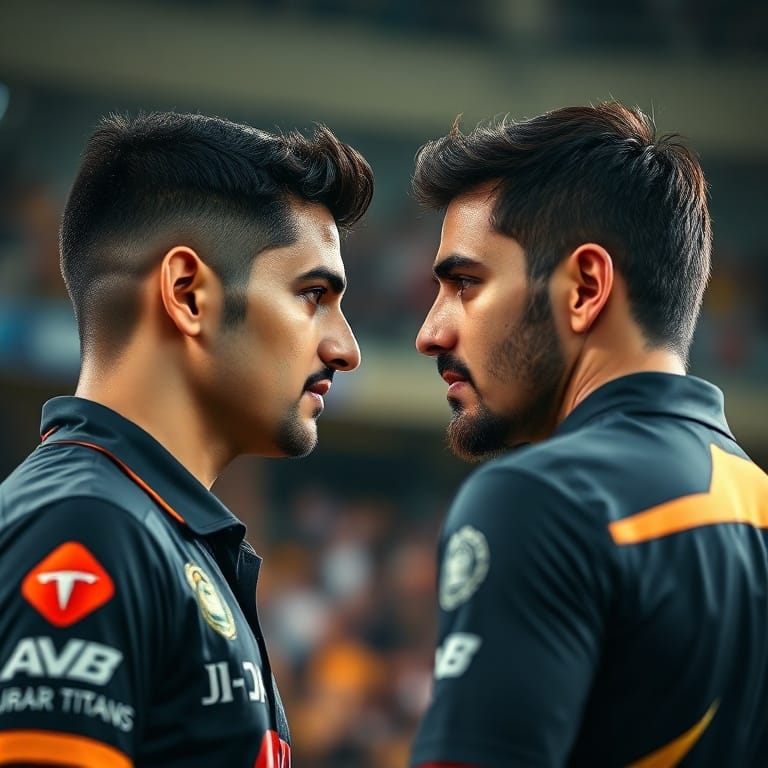
Even the opposition feels the ripple. The Gujarat Titans, who edged out RCB at the Narendra Modi Stadium, noted how the Bengaluru side seemed “unusually fresh” in the fourth innings, a remark that circles back to the physio’s influence.
What Lies Ahead
RCB sits second on the points table with six wins from nine games. The next encounter against Lucknow Super Giants on May 7 will be a litmus test for the team’s adaptability after Speechly’s departure. The new physio has promised continuity, but the real test comes how quickly the squad internalizes his approach during the high‑intensity stretch of the tournament.
If the current injury metrics hold, RCB’s core batting trio – Kohli, Faf du Plessis, and Ruturaj Gaikwad – should stay together, giving the side the stability needed for a deep playoff run. On the bowling front, the synergy between Siraj’s swing and Chahal’s turn could be the decisive factor on slower venues like Lucknow.
Fans’ Take
Supporters all over India have taken to social media, sharing clips of Kohli’s tribute and sprinkling it with gratitude for the “unsung hero” behind the curtain. Many pointed out that the emotional bonding reflects a team culture that values long‑term relationships – a rarity in a league that often sees players swap franchises in a single season.
From the stand, fans notice the subtle shift in body language when a player walks out of the dressing room with a confident stride. That confidence, they argue, roots back to the days when Speechly would check a hamstring with the same meticulous care he reserved for the opening batsman’s grip. The collective sentiment is that while the trophy chase continues, the franchise’s heart beats a little louder thanks to the respect shown for its support staff.
In the end, the tribute does more than honor a single individual; it reminds us that cricket’s drama extends beyond the boundary ropes, into the rooms where muscles are tended, minds are steadied, and legacies are quietly built.