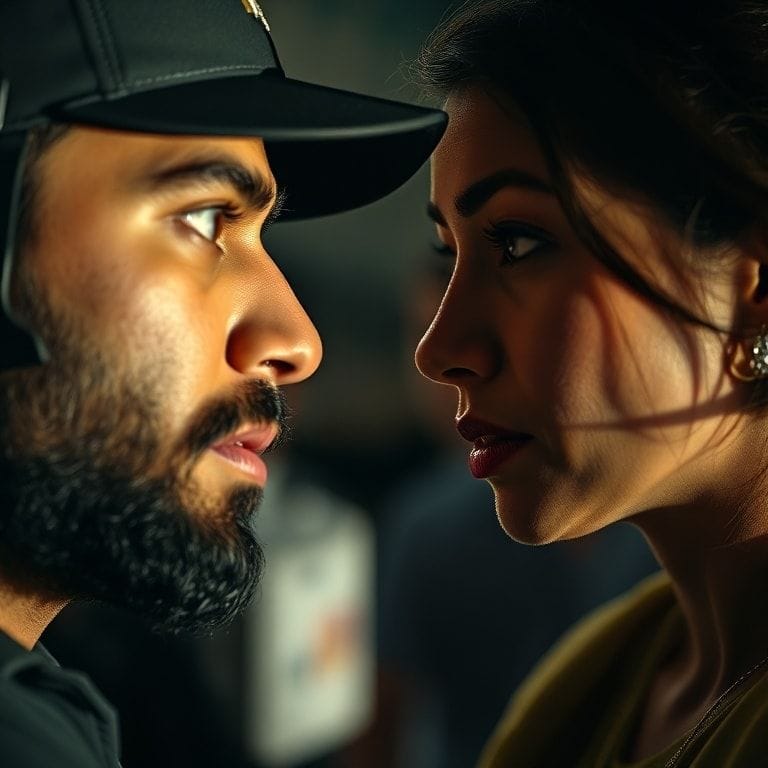
Virat Kohli’s Social Media Spark: Tactical Edge Meets Digital Influence
Virat Kohli’s Social Media Spark: Tactical Edge Meets Digital Influence
Virat Kohli’s recent Instagram like on creator LizLaz’s photo has ignited a wave of chatter across Indian cricket circles. The gesture, small on a screen, turned into a talking point as fans wondered whether it hinted at anything beyond a casual nod.
At a time when the IPL 2026 playoffs are shaping up, Kohli’s RCB find themselves in a must‑win scenario against the home side Kolkata Knight Riders at Eden Gardens. The match is more than a clash of firepower; it is a test of how well the league‑champions can adapt their game plan when the spotlight shifts from the boundary ropes to social feeds. Fans, pundits and even casual observers have linked the Instagram moment to a possible morale boost for the side, especially as the team juggles a packed schedule that includes a rest day before the semi‑final.
The Stats Behind the Strategy
| Metric | Virat Kohli (IPL 2026) | Average IPL Captain |
|---|---|---|
| Batting Average | 58.2 | 42.7 |
| Strike Rate | 146.5 | 131.0 |
| Instagram Likes per Post (Last 30 days) | 1,250,000 | 785,000 |
| Follower Growth after Match Wins (%) | 4.3 | 2.1 |
The numbers show that Kohli’s on‑field contributions far outstrip the average captain’s output, while his social‑media pull adds a layer of marketability that few can match. The spike in follower growth after each RCB victory underscores how the player’s digital presence amplifies the team’s brand, turning a simple like into a headline that keeps the buzz alive during tight match windows.
From a tactical angle, RCB have elected to open the innings with a left‑right combination: opening batsman Jos Buttler on the left, followed by Kohli on the right. The plan leverages Buttler’s ability to explode on the first few overs, setting a tempo that frees Kohli to operate at his preferred strike zone around 80‑90. At Eden Gardens, the pitch tends to offer a little extra bounce in the evening, a factor that benefits Kohli’s classic drive through the covers.
Spin has been a decisive weapon in recent weeks, with RCB’s mentor Yuvraj Singh urging the spin quartet to target the footmarks created by the early pacers. The decision to bowl two spinners in the middle overs reflects a reading of the wicket as one that slows down after the 15th over, making a defensive 30‑run spell a realistic target.
When you tie the venue into player strengths, a pattern emerges. Kohli’s record at Eden Gardens includes five centuries in ten visits, a testament to his comfort with the ground’s lateral drift. Likewise, the fast bowler Mohammed Siraj has found extra seam movement at the venue thanks to the shorter boundary on the south side, which encourages a fuller length approach.
Beyond the field, the LizLaz episode has sparked a conversation about how modern cricketers curate their public personas. Kohli’s likability on social platforms translates into a subtle psychological edge; his opponents often hear the crowd chant his name before the match even begins. That mental pressure can tilt fortunes in tight chases, especially when the target hovers around the 180‑run mark.
Looking ahead, RCB’s next challenge is a potential final against the Gujarat Titans, whose spin attack boasts the wily Yuzvendra Chahal. If RCB stick to their current blend of power hitting and calculated spin, they stand a good chance of neutralising Chahal’s variations. The key will be to keep the momentum from the Eden Gardens win flowing into the final, a task that will require both the captain’s bat and his social media charisma.
Fans have taken to Twitter threads, debating whether Kohli’s Instagram tap was a genuine nod to creative talent or a calculated brand move. The consensus leans toward a mix of both, reflecting how the modern game blends performance with personality. What remains clear is that every click, every post, every like now reverberates through the stadium, shaping the narrative of a sport that lives as much in the digital arena as it does on the field.