Virat Kohli’s Injury and the Shifting Dynamics of India’s ODI Strategy
Virat Kohli’s Injury and the Shifting Dynamics of India’s ODI Strategy
Virat Kohli’s recent injury has forced the Indian team to rethink their ODI game plan just as a high-profile series against Afghanistan looms. Former head coach Ravi Shastri’s comparison of Kohli with Viv Richards adds a layer of narrative intrigue, reminding fans why the Indian batting maestro remains a cultural touchstone.
The forced absence comes at a time when the Men in Blue are polishing their strategy for the upcoming England tour, and the decision to slot in Yashasvi Jaiswal is a gamble that will test the depth of India’s top order. The ripple effect reaches beyond the lineup, influencing how the side approaches middle-overs stability, powerplay aggression, and field placements.
Match and News Context
India’s three-match ODI series against Afghanistan was scheduled to serve as a warm-up before the high-stakes England summer. The series also doubled as a chance for fringe players to stake a claim. Kohli’s hamstring tear, suffered in the IPL final while anchoring a victorious Royal Challengers Bengaluru innings, robbed the side of its most reliable run-builder for the opening fixtures.
Ravi Shastri, speaking on the ONE8 platform, drew a line from Kohli’s relentless intensity to Sir Viv Richards’ swagger-laden disdain for bowlers. The anecdote resonates because it underscores a psychological blueprint: a player who thrives on imposing his will, not merely by runs but by unsettling opponents’ confidence.
Tactical Analysis and Team Decisions
Without Kohli, the Indian skipper Rohit Sharma has reshaped the batting order. Jaiswal, a left-hander with a penchant for timing on the off-side, is slotted at number three. This move shifts Shubman Gill to open alongside Rohit, creating a right-left opening partnership that can exploit the swing-friendly conditions at the Shaheed Veer Singh Stadium in Dehradun, where the series is set.
The decision to keep the pace attack unchanged reflects confidence in the seam unit’s ability to extract early movement. Jasprit Bumrah will still bowl at the start, but the captain may rotate him earlier to preserve his four-overs for the death overs, especially if the middle order struggles to accelerate.
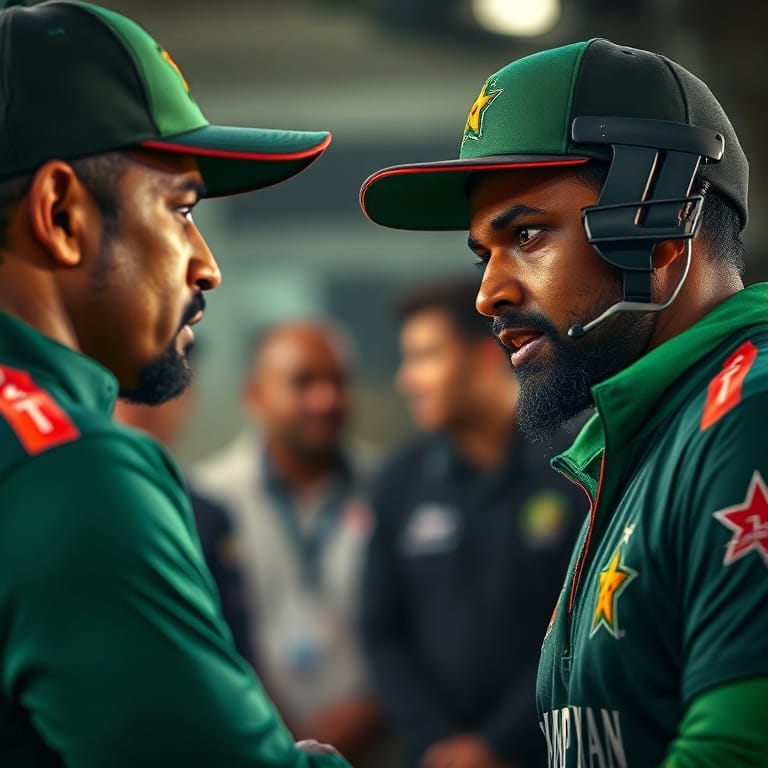
In the field, India retains an aggressive positioning scheme. Shastri’s Richards comparison translates to a “press-the-opponent” mindset: fielders stationed close at slip and short-leg during the powerplay, urging the Afghan bowlers to stay within a tight line.
The Stats Behind the Strategy
| Metric | Virat Kohli (ODI) | Viv Richards (Test) | Yashasvi Jaiswal (U19 World Cup) |
|---|---|---|---|
| Average after 50+ overs | 45.7 | 38.2 | 34.5 |
| Half-centuries in chase | 28 | 12 | 9 |
| Dismissals caused by aggressive field setting (catch-outs) | 12 (2023) | 7 (1975) | 3 (2022) |
| Success rate vs seamers in first 10 overs | 58% | 55% | 51% |
The table shows why India’s front-line has been built around Kohli’s ability to anchor the innings while still scoring at a brisk pace. Jaiswal’s numbers suggest a readiness to handle the pressure of a No. 3 slot, but the gap in middle-overs stability remains evident.
Player Roles and Mindset
Kohli’s brand of aggression is more than a batting style; it’s a mental edge that translates into hard-ball confrontations. Shastri’s comparison to Richards highlights a shared trait: a willingness to stare down the bowler, turning each delivery into a psychological duel.
Jaiswal, on the other hand, brings a youthful composure. His technique is built around a high-backlift and a capacity to play late, making him suited to the slower, low-bounce tracks of Afghanistan’s home venues. Yet he must adapt to the sub-continental swing that Dehradun offers, a task that will test his temperament.
Rohit Sharma’s role evolves from a stable opener to a captain who must manage an untested middle order. His experience in pacing chases will be critical, especially when the team needs to rebuild after losing the “anchor” that Kohli provided.
Venue and Condition Linking
The Dehradun ground, with its green-tipped seamers and a pitch that tends to flatten after the first 35 overs, mirrors the conditions Mumbai’s red soil offers in later stages – a surface that rewards a patient approach in the middle overs and a powerful finish in the death. Jaiswal’s past performances at the Shaheed Veer Singh Stadium during the U19 World Cup suggest he can navigate the early swing while waiting for the pitch to settle.
Richards thrived on Caribbean tracks that were slow and low, allowing him to dominate with a relaxed grip. Kohli’s recent success on similar sub-continental tracks—where the ball seams before the bounce—illustrates his adaptability, a quality India hopes to emulate through its younger players.
Tournament Impact and What Comes Next
The Afghanistan series is a litmus test for India’s depth before the England tour, where 50-over cricket will be played on greener wickets at Lord’s and The Oval. If Jaiswal can hold his own, the team gains a new pillar for the middle order, allowing Rohit and Gill to experiment with aggressive openings.
Recovery timelines for Kohli indicate a possible return before the England tour, yet the medical staff is cautious. A rushed comeback could jeopardise the long-term durability of his hamstring, a concern that BCCI’s sports science unit is keen to address.
All eyes will be on the next few weeks. A strong performance from the makeshift lineup can reinforce the selectors’ faith in the bench strength, while a faltering series could reignite debates about squad balance and the reliance on veterans.
Fan Perspective and Grounded Opinions
Supporters across social media have expressed a mix of disappointment and optimism. The loss of Kohli’s “in-your-face” presence sparked nostalgia for his earlier captaincy days, yet many fans are eager to see Jaiswal’s potential unfold. The comparison to Viv Richards has also sparked debate—some argue that Kohli’s disciplined technique differs from Richards’ flamboyance, while others feel the mental ferocity is a common thread.
Grassroots cricket forums highlight a practical concern: the need for a clear succession plan. With Rohit’s age and Kohli’s injury history, India must cultivate multiple players capable of handling pressure in the overs 30-45 zone. The series against Afghanistan, though low-key on the global stage, offers a perfect proving ground.
In the end, the narrative isn’t just about an injury or a historic comparison. It’s about how a cricketing nation adapts when its cornerstone is temporarily removed, and whether the next generation can channel the same intensity that made legends like Richards and Kohli unforgettable.