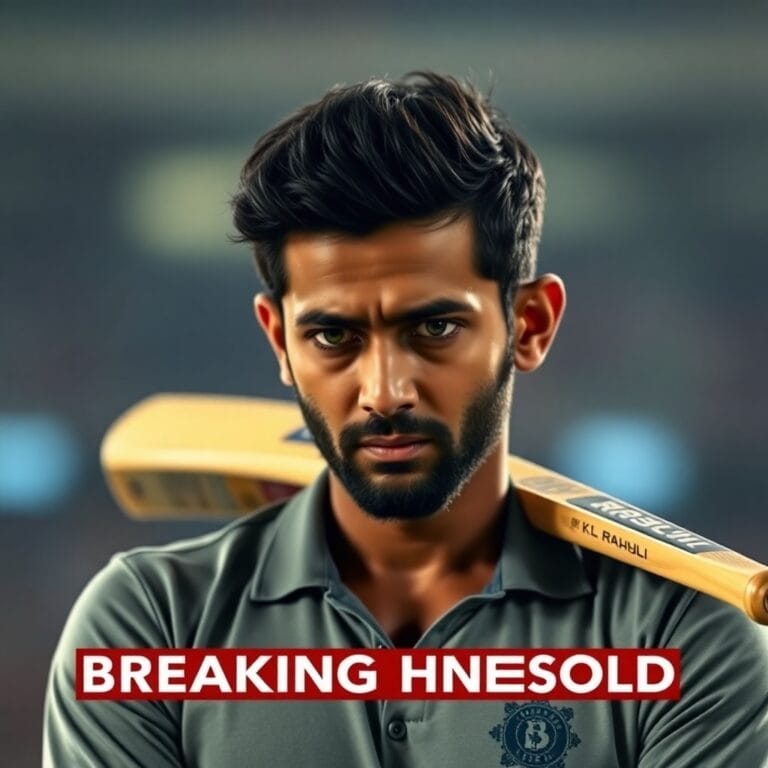
Vaibhav Suryavanshi: The Teen Sensation Ready to Shine in Ireland and England
Vaibhav Suryavanshi: The Teen Sensation Ready to Shine in Ireland and England
The cricket world is buzzing as former West Indies great Clive Lloyd throws his weight behind teenage prodigy Vaibhav Suryavanshi ahead of India’s T20I swing through Ireland and England. The endorsement matters because it ties a legend’s eye for talent to a youngster poised to test his mettle on foreign soil.
India’s board has fast‑tracked Suryavanshi into the senior T20 side after a blistering 11‑ball fifty for India A in Dambulla. The move is as much about injecting raw aggression into a line‑up that has looked a touch tentative in recent overseas assignments as it is about rewarding a player who has already etched his name in List A record books.
The Stats Behind the Strategy
| Metric | Vaibhav Suryavanshi | Team Average (India T20) | Record Comparison |
|---|---|---|---|
| List A Strike Rate | 221.4 | 112.3 | Fastest 50 (11 balls) – beats 12‑ball record by AB de Villiers |
| T20I Debut Score | 24* (13 balls) | 18.6 runs per innings | Highest debut score by a sub‑20 Indian since 2015 |
| Boundary % (balls faced) | 38% | 30% | Second‑highest among players with >50 balls in 2023‑24 season |
| Dismissal Rate (vs. Pace) | 2/10 (20%) | 35% average | Better than most young openers in the sub‑continent |
These numbers tell a clear story: Suryavanshi’s ability to score at a strike rate that doubles the team average, coupled with a low dismissal rate against fast bowlers, makes him an ideal weapon for the damp, seam‑friendly pitches of Ireland and England.
Speaking of conditions, the left‑handed batter’s natural game aligns neatly with the characteristics of the venues on the itinerary. Dublin’s Malahide offers a low‑bounce, swinging track where a high‑arc back‑foot drive can plunder the boundary. Meanwhile, England’s Northamptonshire County Ground has historically rewarded players who can dominate the short ball with a whip‑like wrist — exactly the kind of skill set Suryavanshi boasts.
Tactical Blueprint for the Tours
Team management has a handful of knobs to turn. First, place Suryavanshi at number three, allowing him to face the new ball after a solid opening partnership. That position shields him from the most hostile early swing while still granting enough overs to unleash his power. Second, give him the freedom to rotate the strike and then accelerate, a blend that works well on Irish pitches where bowlers need a long spell to settle.
Bowling captains can also use his presence as a catalyst for more aggressive field placements. Knowing that the youngster can clear the rope on a well‑timed lofted drive, captains may set a slip cordon just short of the bat, encouraging the opposition to play out of the crease and create catching opportunities.
Player Mindset and Role
Suryavanshi’s mindset is anchored in a fear‑less approach. He talks about “playing like a street cricketer,” meaning he trusts instinct over textbook technique. That confidence is a double‑edged sword; it fuels big scores but can lead to rash dismissals if the bowlers lock on with a clever variation.
The key will be to preserve the natural aggression while adding a layer of discipline. Senior players like KL Rahul and Hardik Pandya can mentor him on picking the right moments to go big, especially when faced with the moving seam of England’s swing attack.
Impact on the Tournament and What Lies Ahead
If the young left‑hander translates his domestic fireworks into T20I runs, India gains a dynamic middle‑order option that can tilt matches in a single session. The upcoming series double‑header is a litmus test: a solid performance could cement his place for the Asian Games and the next World Cup qualifying window.
Conversely, a failure to adapt could relegate him back to the A‑team circuit, a common fate for flash‑in‑the‑pan talents. The selectors have already signalled that the door remains open, provided he returns with confidence intact and not a bruised ego.
Fans, Opinions, and the Bigger Picture
From the stands, the Indian crowd is split between awe and caution. Social media bursts with clips of his 11‑ball blitz, while older fans warn against turning a talented teenager into a headline act too quickly. The sentiment mirrors the classic debate of “raw talent versus seasoned experience”.
What most agree on is that Suryavanshi represents a fresh narrative for Indian cricket — one where youthful exuberance meets strategic acumen. If he can weather the sea‑swing of England and the subtle seam of Ireland, he could become the poster boy for a new generation of aggressive, adaptable batsmen.
Clive Lloyd’s blessing adds a nostalgic weight to the conversation. The former captain’s reference to the diverse West Indies pace attack of the 1970s underscores the challenge ahead. Yet, his confidence that the teenager’s “good eyesight” and “striking ability” will serve him well is a vote of trust that many fans find reassuring.
In the end, the true test will be the first over he faces on foreign soil. Will the pressure of a legend’s endorsement elevate him, or will it expose the gaps that only international cricket can reveal? The answer will shape not just Suryavanshi’s career, but also how India cultivates its next‑gen stars for the global stage.