Suryakumar Yadav’s T20I Captaincy Under Scanner Post IPL 2026
Suryakumar Yadav’s T20I Captaincy Under Scanner Post IPL 2026
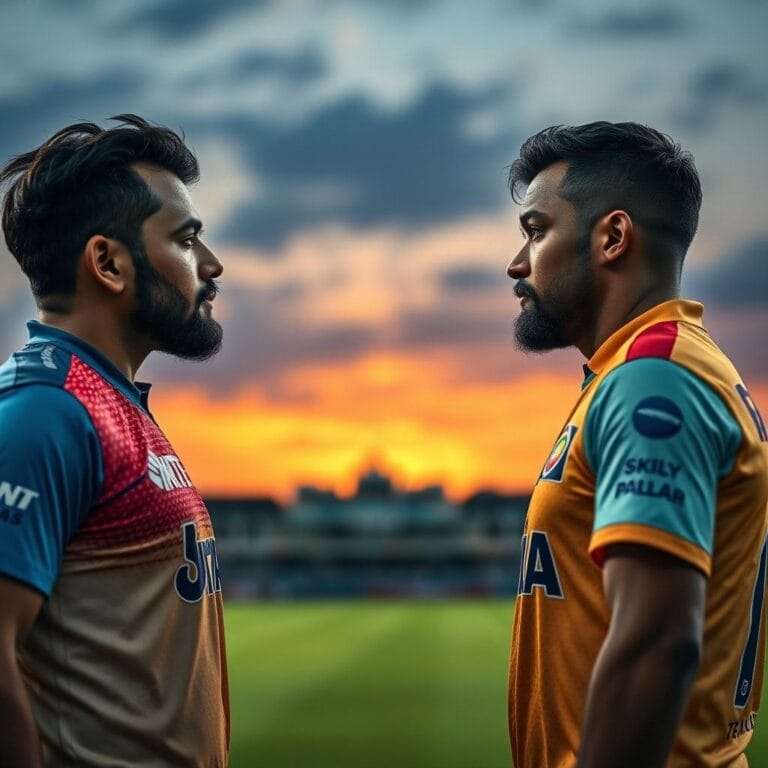
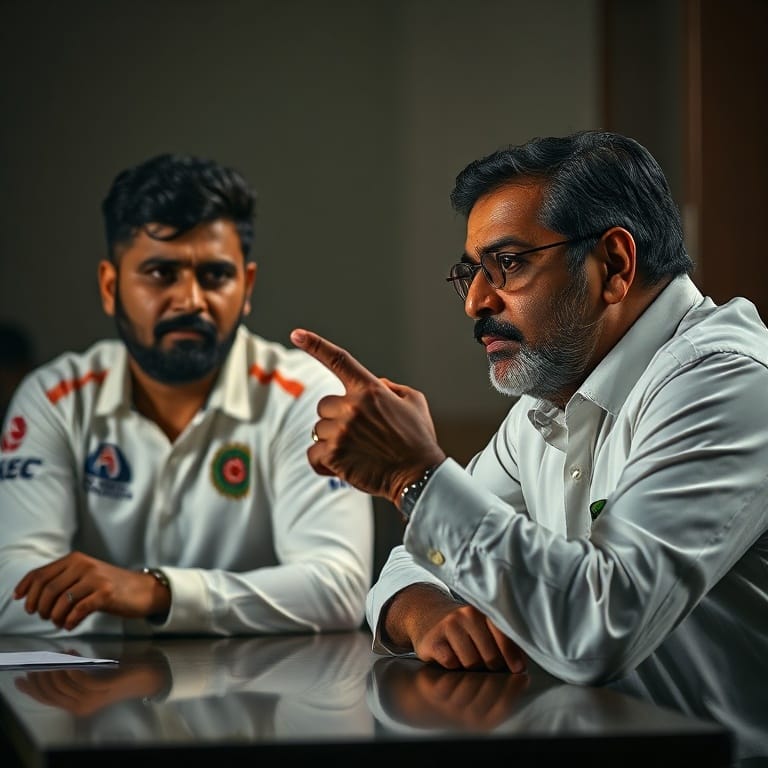
The Indian cricket board finds itself at a crossroads after a turbulent IPL 2026, where Suryakumar Yadav’s dip in form sparked a debate over his T20I captaincy. Former selector MSK Prasad warns that a reactionary change could unsettle a side that has built a winning culture in the shortest format.
The Stats Behind the Strategy
| Player / Competition | Matches | Runs | Average | Strike Rate |
|---|---|---|---|---|
| Suryakumar Yadav – IPL 2026 | 13 | 261 | 20.08 | 147.5 |
| Suryakumar Yadav – T20I career (till 2025) | 73 | 2,140 | 38.28 | 152.1 |
| Rohit Sharma – T20I captaincy | 46 | 1,303 | 35.70 | 145.3 |
| MS Dhoni – T20I captaincy | 72 | 1,332 | 29.60 | 132.4 |
What the numbers reveal is that Suryakumar’s IPL average has slumped to a level barely above a one‑day innings, while his international numbers remain firmly in the top‑tier. The contrast suggests that a single domestic season should not dictate a captain’s fate when the broader data set tells a different story.
Why Continuity Matters More Than a Single Run
India’s last three major T20 tournaments have been anchored by a clear chain of command. When Rohit took over in 2020, he spent a year aligning his batting partners with a clear field‑placement philosophy. That stability translated into a 79 % win record in World Cups and Asia Cups combined. Removing a captain after a rough patch would reset that chemistry, forcing players to adjust to a new voice just as the calendar tightens.
Prasad’s suggestion to rotate deputy captains across series mirrors the approach taken by England after 2019, where Ben Stokes mentored Jos Buttler, then later appointed Buttler as stand‑in for limited‑overs tours. The Indian board can replicate that by naming Shreyas Iyer for the South Africa leg, Sanju Samson for the Caribbean tour, Tilak Varma for the sub‑continental swing series, and Ishan Kishan for the high‑pressure knockout games. Each deputy gets a taste of strategic decision‑making without the full weight of the role.
Player Roles and the Pitch Connection
Suryakumar thrives on short‑run, high‑bounce tracks – the likes of Bengaluru’s M Chinnaswamy or Chennai’s Chepauk. His wrist‑work slices the ball through the pace, turning ordinary deliveries into boundary‑clipping shots. In contrast, his struggles at Mumbai’s flat, low‑scoring ground this season exposed a technical blind‑spot: a tendency to over‑rotate on slower surfaces, which reduced his strike‑rate dramatically.
Shreyas Iyer, a reliable anchor on turning wickets, would be a natural fit for Delhi’s spin‑friendly Wankhede. Sanju Samson’s aggressive footwork suits the short‑run batting strips of the Caribbean, where a quick‑fire start can destabilise bowlers. Tilak Varma’s ability to hit through the covers works well on the seam‑friendly tracks of Johannesburg, while Ishan Kishan’s power‑hitting is suited to the hard‑hitting pitches of the UAE.
Impact on Upcoming Tournaments
India’s next big test is the 2026 T20 World Cup in Australia, followed by the 2027 Asia Cup hosted in Pakistan. A stable captaincy will help the side lock in game plans for pitches that range from the bounce of the Gabba to the slower decks of Lahore. With a clear leader, the batting order can be set weeks in advance, allowing the coaching staff to fine‑tune bowlers’ lengths for each venue.
Should the board decide to replace Suryakumar now, the new leader would inherit a squad that has adapted to his field‑setting cues, batting order, and tactical rotations. The resulting learning curve could cost the side a crucial match in the group stages, where a single mis‑field or delayed run‑chase decision can be the difference between a quarter‑final and an early exit.
Fans, Media, and the Ground Reality
The Indian fanbase is used to loud opinions on social media, and the IPL’s massive viewership amplifies every dip in performance. While many critics make a case for “fresh blood”, a large segment of supporters recall the 2021 T20 World Cup, where Suryakumar’s calm under pressure helped India recover from 70‑all to a chase of 170. Those memories reinforce the idea that leadership is more than the latest scores; it’s about composure, field‑communication, and the intangible belief he instils in the dressing room.
From a pragmatic standpoint, the BCCI’s decision will set a precedent for how future form slumps are handled. If they choose a sudden overhaul, the next generation of captains may feel pressured to deliver immaculate IPL numbers before earning a national role. A measured transition, as Prasad recommends, protects the pipeline while rewarding performance over panic.
Looking Ahead
In the next six months, expect the board to name a rotating deputy squad while keeping Suryakumar at the helm. The experiment will allow the coaching staff to assess each deputy’s decision‑making style, communication with bowlers, and ability to handle pressure situations. If the experiment succeeds, India will walk into the World Cup with a clear captain and a bench of ready‑made successors, ensuring the team’s culture remains intact regardless of individual form.
For now, the conversation shifts from “who should lead?” to “how do we build a resilient leadership group that can adapt to any pitch, any opponent, and any form curve?” The answer lies in continuity, smart delegation, and trusting the data that shows Suryakumar remains one of the most effective T20 players in the world, even if a single IPL season has not been kind to him.