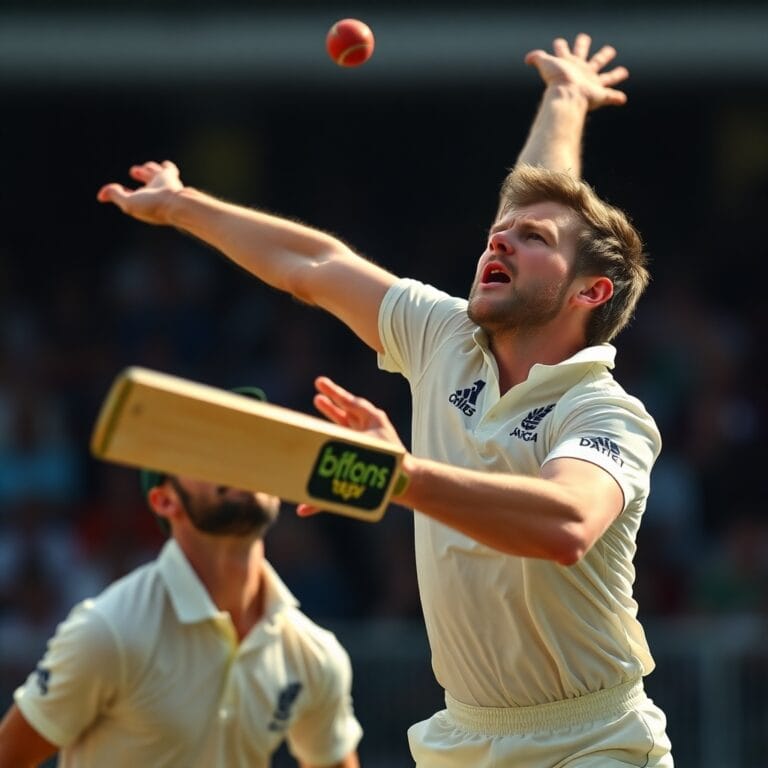
Stokes’ Apology and Tactical Reset Ahead of Trent Bridge Decider
Stokes’ Apology and Tactical Reset Ahead of Trent Bridge Decider
Ben Stokes returned to the England Test side just in time for the series-deciding third Test against New Zealand at Trent Bridge. His public apology to teammates after a night-out breach set the tone for a campaign that could swing England’s summer fortunes.
Setting the scene
New Zealand had snatched the first two Tests, the second one being a crushing 253-run loss for England when Stokes sat out due to the curfew breach. The swing and seam-friendly conditions at Lord’s and the Oval gave the Kiwis plenty of movement, and England’s inexperienced batting line-up crumbled. With the series on a knife-edge, the Trent Bridge encounter became more than a match – it turned into a test of leadership, morale and tactical flexibility.
Leadership and locker-room dynamics
Stokes made it clear that the first order of business after his return was a one-to-one apology to every player. He said looking each man in the eye was the only way to reset the group. That moment mattered because the breach had not only removed a premier all-rounder from the field but had also forced Joe Root to step back into the captaincy role. Root’s short-term stewardship attracted criticism after the second Test defeat, and the fallout threatened to split the dressing room. Stokes’ admission of fault and his emphasis on collective responsibility helped to quash any lingering “who’s to blame” chatter. By positioning himself as a teammate first and a captain second, he re-established the hierarchy that had been shaken. The effect was immediate – senior bowlers like Jofra Archer and Mark Wood spoke of a renewed focus during the pre-match huddle, and the debutants felt their milestone was finally being honoured, not eclipsed by off-field drama.
Tactical shifts for Trent Bridge
Trent Bridge is notorious for a true bounce that rewards back-of-the-hand shots and punishes over-committed drives. The pitch usually offers a mixture of seam early on followed by a slower, turning surface as the day progresses. Knowing this, England’s management tweaked the batting order: Stokes came in at number 5, giving the openers a solid start before the ball settled. The decision to promote the left-handed batter, Tom Malcolm, to number 4 was aimed at exploiting the swing-to-spin transition, as the left-handed stance often handles the late seam movement better. On the bowling front, the duo of Archer and Wood were earmarked for the new-ball spell to exploit the early bounce, while spinner Jack Leach was slated for the middle overs, banking on the pitch’s tendency to grip later. The key was to keep New Zealand’s top order under pressure for 30-odd overs, then swing the momentum with a spin assault when the surface slowed.
The Stats Behind the Strategy
| Player | Avg at Trent Bridge (last 5 Tests) | Key Role |
|---|---|---|
| Ben Stokes (bat) | 42.3 | Stabiliser at 5 |
| Tom Malcolm (bat) | 35.7 | Left-handed middle-order |
| Jofra Archer (bow) | 24.6 (vs NZ) | New-ball pace |
| Mark Wood (bow) | 27.1 (vs NZ) | Late-over swing |
| Jack Leach (bow) | 18.4 (spin) | Middle-overs turn |
These numbers highlight why the management stuck with the same core bowlers despite the recent loss. Archer’s strike rate on a bouncing surface and Leach’s economy in the middle overs have historically been England’s edge at Trent Bridge.
Player mindsets and on-field execution
Stokes approached his innings with a clear mission: rebuild the innings after the early loss of wickets and provide a platform for the lower order. His usual aggression was tempered; he took a few singles, rotated the strike, and waited for a loose delivery to unleash his signature pull. The mental shift from “go big” to “steady the ship” was evident in his body language – measured breaths, relaxed shoulders, eyes scanning the field. For the debutants, the earlier controversy had been a cloud over their big day. Once Stokes addressed the squad, they reported feeling “free to play” and expressed confidence that their performances would finally judge them, not the headlines. The bowlers, meanwhile, used the apology meeting as a rallying cry – a reminder that every over now counted double.
Series impact and what lies ahead
If England can clinch a win at Trent Bridge, the series would be tied 1-1, forcing a deciding fourth Test – a scenario that would revive the summer’s narrative and give the side a psychological boost. A loss, would hand New Zealand a 2-0 lead and likely seal the series in favour of the Kiwis. The next step for England is to convert the refreshed locker-room harmony into on-field dominance. The tactical blueprint at Trent Bridge is sound, but execution under pressure will be the true test. The coaching staff will also have to manage the workload of key bowlers, ensuring Archer and Wood stay fresh for a potential fourth Test. From a fan perspective, the drama off the field added an extra layer of intrigue. Supporters who were previously angry at Stokes’ lapse now watch with bated breath, hoping his apology translates into a performance that restores pride. The crowd at Trent Bridge, known for its vocal support, will play a part too – their chants could lift the team or, if the tide turns, amplify the disappointment. Stokes’ return is more than a personnel change; it’s a reset button for a squad that has been juggling expectations, criticism, and personal accountability. The outcome at Trent Bridge will not only decide the series’ fate but also shape the narrative around England’s leadership and resilience for the rest of the summer.