Shreyas Iyer’s Captaincy Under Fire After PBKS IPL 2026 Loss
Ex-India Stars Criticize Shreyas Iyer’s Captaincy After PBKS Slump to Second Successive Loss in IPL 2026
This piece unpacks the fallout from Punjab Kings’ second straight defeat in the 2026 IPL, where former India stalwarts took aim at captain Shreyas Iyer’s on-field choices. The controversy matters because it shines a light on how tactical rigidity can tip a match in a tournament where every point is precious.
Punjab Kings entered the Narendra Modi Stadium chase needing more than a miracle. A shaky start saw Priyansh Arya and Cooper Connolly fall in the very first over, leaving the side reeling at 2/0. Iyer’s 19 and Marcus Stoinis’ rapid 40 set a platform, but it was Suryansh Shedge’s blistering 57 off 29 that nudged them to a defendable 163/9. Gujarat Titans’ chase, anchored by Sai Sudharsan’s composed 57, came down to the final over, where a mis-fired bowling plan handed GT a nail-biting win.
The Stats Behind the Strategy
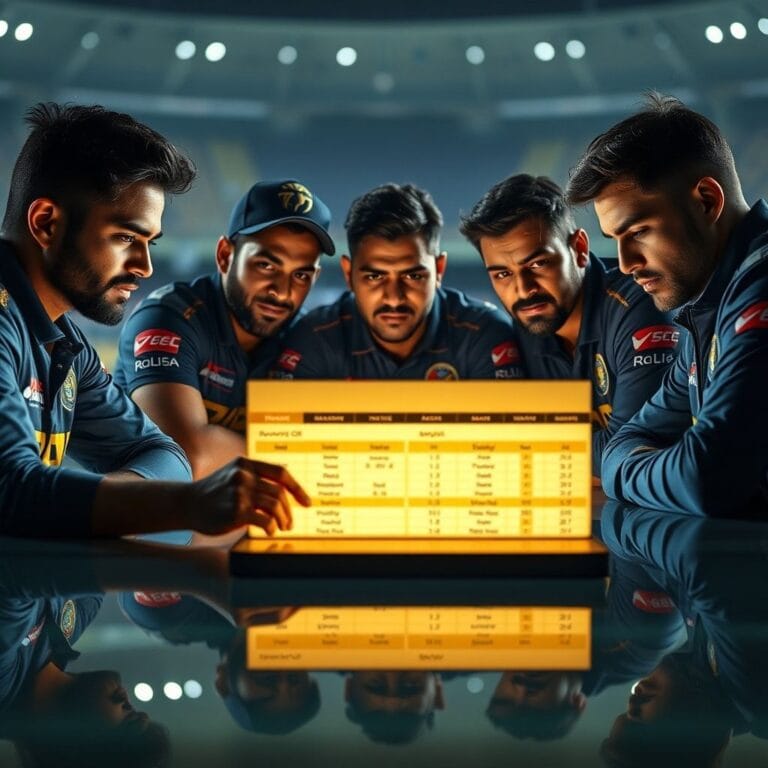
| Metric | Punjab Kings | Gujarat Titans |
|---|---|---|
| Runs conceded in death overs (16–20) | 45 | 22 |
| Wickets taken by leg-spin (Yuzvendra Chahal) | 0 (6 balls) | 0 |
| Economy of primary pacers (Arshdeep, Marco Jansen) | 6.75 | 5.80 |
| Boundary count (batting first) | 17 | 12 |
| Dot-ball percentage (first 10 overs) | 38% | 44% |
These numbers reveal two patterns. First, Punjab’s death-over economy ballooned while Gujarat kept the run-rate in check. Second, Chahal’s delayed entry cost the Kings a wicket-taking option when the opposition’s top order was still pliable.
When Iyer turned to Stoinis for the final over, the decision ran counter to the data. Stoinis, a part-time bowler, posted a 13-run over while the seasoned pacers boasted sub-7 economies all tournament. The stats suggest a specialist seamer could have curbed the chase, especially with GT needing just 11 off six balls.
Tactical Choices and Their Ripple Effect
At the heart of the debate lies Iyer’s reliance on the pace battery throughout the middle phase. The partnership of Arshdeep Singh and Marco Jansen had been effective early, but by the 14th over the opposition was rotating the strike comfortably. A leg-spinner like Chahal thrives on creating pressure through flight and turn, particularly against left-handed batsmen such as Mitchell Stuart and Hardik Pandya, who were in GT’s line-up.
Sehwag’s criticism was not about an isolated over; it was about a broader refusal to adapt. The moments when Gujarat’s middle order settled required a change of pace—something leg-spin could deliver. Instead, Iyer persisted with fast bowlers, perhaps hoping for a wicket through sheer speed, but the data shows that pace alternatives were leaking more runs per ball.
Manoj Tiwary offered a nuance, pointing out that Chahal’s first over yielded 13 runs. Yet, the context matters: those runs came against two left-handers who were already set. A well-timed spell could have forced a false shot, a scenario the numbers support—leg-spinners tend to have higher wicket percentages on day-two of an IPL innings when batsmen are looking to accelerate.
Player Mindsets and the Pressure Cooker
For Iyer, the captaincy mantle arrived amid a shaky start, and the weight of expectation can make a leader cling to familiar weapons. The decision to keep the fight in the fast lane reflects a mindset of aggression, but aggression without flexibility can backfire in a format where a single over decides matches.
Shedge’s explosive cameo demonstrated the bench strength Punjab possesses. His 57 off 29 showcased an intent to seize momentum early, a mindset that aligns with the team’s desire to post big totals. On the flip side, Gujarat’s chase, anchored by Sudharsan’s calm, illustrated a composed approach—building steadily before launching a targeted assault in the death.
Impact on the IPL Race and What Lies Ahead
The loss drops Punjab to the lower half of the points table, intensifying the urgency for a win in the next fixture. With only a handful of matches remaining, the captain will likely have to reconsider his bowling rotations, perhaps integrating Chahal earlier to unlock wickets and restrain run flow.
Gujarat Titans, meanwhile, bolstered their net run rate and confidence. Jason Holder’s 4/24 reinforced his value as a senior pacer capable of delivering in high-pressure situations. If they maintain this momentum, they could lock down a playoff spot before the final round.
Fans, Opinions, and the Ground Reality
Punjab’s supporters took to social platforms expressing frustration. Many echoed Sehwag’s sentiment, demanding a more pragmatic approach. A recurring theme was the desire to see the team gamble less with inexperienced bowlers in the death and trust seasoned campaigners.
Conversely, a segment of the fanbase defended Iyer, noting his proactive batting at the top and his willingness to give younger bowlers exposure. The split reflects a broader conversation in IPL circles: how much risk is acceptable for a team chasing a playoff berth?
Connecting Players to Venues
The Narendra Modi Stadium’s bulk-friendly pitches often reward high-pace attacks early, yet the middle overs can flatten out, offering a little turn for wrist spinners. Historically, leg-spinners have found success here after the 12th over, when the ball loses some shine. Chahal’s hallmark is extracting bounce on such surfaces, making his underuse a missed tactical opportunity.
When PBKS next faces a venue like the Sawai Mansingh Stadium in Jaipur, known for its slower turn, the captain’s decision matrix will shift. A slower surface could amplify the effectiveness of spinners, prompting a revisited strategy.
In sum, the episode serves as a case study in the importance of aligning tactical choices with pitch conditions, player skill sets, and statistical insights. Punjab Kings have a chance to correct course before the window closes, while the critical eyes of former greats and fans alike will keep a close watch on every over.
Cricket Desk: Want more on Associate cricket strategy? Check out our Associate cricket strategy Latest News & Stats.