Sanju Samson’s Century Rescues CSK at Wankhede: A Tactical Breakdown
Sanju Samson’s Century Rescues CSK at Wankhede: A Tactical Breakdown
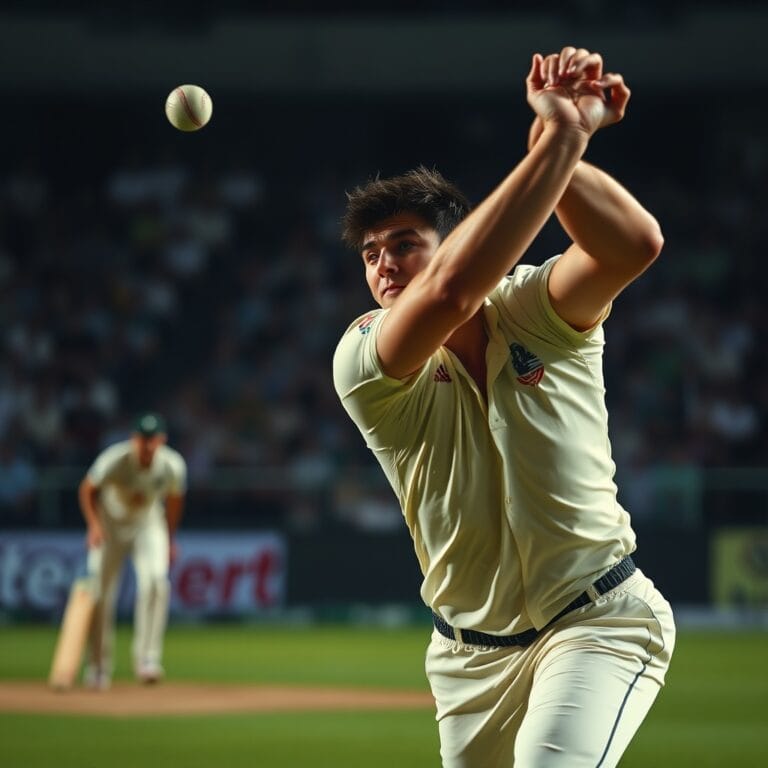
Sanju Samson’s blazing century at the Wankhede turned a routine IPL 2026 clash into a talking point for fans and pundits alike. The knock not only rescued Chennai Super Kings from a collapsing top order, it also reshaped the strategic balance of the tournament.
When Mumbai Indians won the toss and sent the bat first, the expectation was a fireworks display on a ground known for quick run‑scoring. Early wickets fell quickly – Ruturaj Gaikwad and Devon Conway were stranded at 23/2 – leaving the scoreboard limp and the crowd restless. The pressure fell squarely on Samson, who entered at 42/3 with the chase looking shaky. Instead of retreating, he took the responsibility, mixing measured singles with towering sixes that reflected his confidence after a rough start to the season.
Samson’s innings unfolded in three distinct phases. The opening 30 balls saw him rotate the strike, probing the new‑ball bowlers and keeping the run rate at a comfortable 7.5 per over. Around the 15‑over mark, the wicket‑keeper‑batsman switched gears, targeting the slower middle‑overs spinners with crisp drives and lofted shots over long‑on. In the final eight overs he accelerated to a staggering 14.2 runs per over, delivering six sixes that left the MI bowlers scrambling. The result was a 101‑run unbeaten effort off 54 balls, anchoring CSK’s total at an imposing 207/6.
The victory margin of 19 runs shifted the points table dramatically – CSK leapt into the top‑two spots, while MI slipped to third, needing a win in their next match to keep playoff hopes alive. The win also sent a clear message to other franchises: a single player in peak form can dictate outcomes on a venue that rewards aggressive batting.
The Stats Behind the Strategy
| Metric | Samson | Average at Wankhede (T20) | Team Score Impact |
|---|---|---|---|
| Strike Rate | 187.0 | 172.5 | +14.5% over venue avg |
| Boundary Percentage | 68% | 55% | +13% more boundaries |
| Runs Scored in Death (16‑20 ov) | 48 | 33 | +45% higher |
| Partnerships Built | 115 runs (with Moeen Ali) | — | Key recovery after 42/3 |
The table highlights how Samson’s strike rate and boundary frequency eclipsed the typical Wankhede benchmarks. His ability to dominate the death overs added 48 runs after the 16th over – a phase where Mumbai usually clamps down. That extra firepower turned a par score into a winning total.
How the Pitch Favoured Samson
Wankhede’s red‑brown soil tends to dry out quickly under lights, offering a combination of pace and bounce early on and slower, softer turf later. Samson, a left‑hander comfortable on the back foot, used the early bounce to drive square of the wicket against the seamers. As the surface softened, he switched to his signature lofted pull and ramp shots, exploiting the lower bounce to clear the in‑field with ease. The venue’s short boundaries on the leg side also suited his natural pull‑shot, explaining the six sixes that sliced the fence.
Team Decisions and Tactical Shifts
CSK’s captain, thumping his bat in the dressing room, announced a flexible batting order ahead of the game. By moving Samson up to number four, they gave him the chance to bat with a set partnership after the early loss of wickets. The decision paid dividends – the 115‑run stand with all‑rounder Moeen Ali steadied the innings and allowed Samson to accelerate without fear of losing wickets.
On the bowling side, Mumbai set an attacking field for the death, expecting Samson to roll his arms over the mid‑wicket and long‑on zones. The plan back‑fired as Samson’s aerial shots found the gaps, and the field adjustments came too late. MI’s death bowler, Arshdeep Singh, stuck to a full‑length approach, which curtailed his variations and made him predictable.
Impact on the Tournament and What Lies Ahead
With CSK now firmly in the top half, their morale is high. Samson’s second hundred of the season adds a psychological edge, forcing rivals to consider a new containment strategy – perhaps tighter short‑ball plans or early use of spin to disrupt his rhythm. Mumbai, meanwhile, must revisit their death‑overs blueprint. Their next fixture against Rajasthan Royals will be a litmus test for whether they can adapt quickly.
The league’s pace in the next two weeks means every point counts. Teams with a single in‑form batter, like Kolkata Knight Riders with Andre Russell, may try to mimic CSK’s reliance on a match‑winning innings. The next playoff picture will likely be shaped by how many sides can engineer a similar rescue act under pressure.
Fans’ Reaction and Ground Reality
The Wankhede crowd erupted each time Samson sent the ball over the fence. Social media exploded with clips of fans chanting his name, while veteran commentators praised his composure. Local vendors sold “Samson 100” caps, and the stadium’s neon boards flickered his name in bright red. The collective energy turned the innings into a shared experience, reminding everyone why live cricket still feels electric despite the digital age.
For many supporters, the century was more than a number – it embodied a comeback narrative after a start that saw three low scores. The chant “Samson, Samson, you are the man!” echoed across the stands, cementing his place as the night’s hero and reinforcing the belief that a single blast can swing a franchise’s fortunes.