RCB’s Back-to-Back Triumph: Tactical Brilliance and Emotional Resonance in IPL 2026 Final
RCB’s Back-to-Back Triumph: Tactical Brilliance and Emotional Resonance in IPL 2026 Final
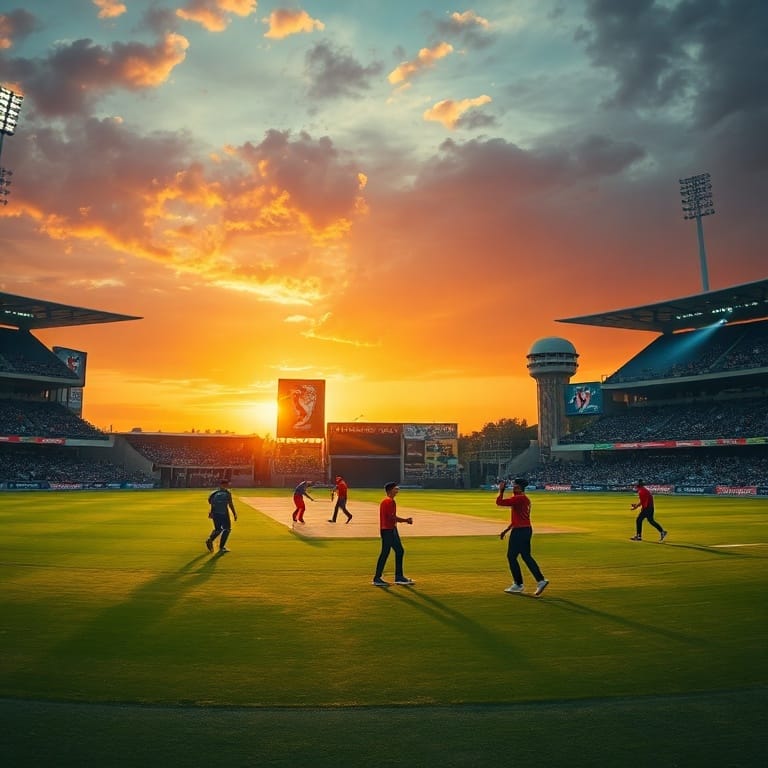
The IPL 2026 final in Ahmedabad saw Royal Challengers Bengaluru lift the trophy for the second year running, defeating Gujarat Titans by five wickets. The win not only cemented RCB’s dominance but also sparked a wave of heartfelt tributes, most notably from former Australian skipper David Warner to swing maestro Bhuvneshwar Kumar.
Both sides entered the showdown with clear narratives. Gujarat Titans, fresh from a stellar league phase, leaned on their power‑hitting top order, while RCB placed confidence in a balanced attack that mixed experience with youthful fire. The toss gave RCB the choice to field, a decision that would shape the entire contest.
The Stats Behind the Strategy
| Metric | Gujarat Titans (15 overs) | RCB (Chase) |
|---|---|---|
| Runs Scored | 155/8 | 162/5 |
| Run Rate | 10.33 | 9.00 |
| Key Bowler Economy | 3.9 (Bhuvneshwar) | 4.2 (Devdutt) |
| Top Partnership | 78 (Vijay, Hardik) | 94* (Dwaine, Rahul) |
| Wickets Lost in Powerplay | 3 | 1 |
The numbers reveal why RCB’s field‑first gamble paid off. Bhuvneshwar’s 3.9 economy in the first ten overs crumpled GT’s rhythm, forcing them into a catch‑and‑release approach. When the chase began, RCB’s openers built a measured 94‑run stand, anchoring the innings and allowing the middle order to accelerate without panic.
Strategically, RCB’s captain opted for an aggressive opening spell, deploying Bhuvneshwar and the young left‑arm pacer early to exploit the moist morning conditions at Narendra Modi Stadium. The new‑grass outfield offered a little extra seam, and Bhuvneshwar’s swing thrived on the subtle lateral movement. By the time the power‑play concluded, Gujarat Titans were already 46 for 3, a scoreboard pressure that lingered throughout their innings.
In response, GT tried to counter with a short‑ball barrage in the middle overs, but RCB’s middle‑order batsmen, accustomed to playing deep within the crease, turned the length into a scoring opportunity. The turning point arrived at the 13‑over mark when Dwaine Peters, known more for his slog than his defense, sliced a delivery past point for a boundary that sparked a surge in confidence. By then, the required run rate had dipped below nine, a manageable target for a side boasting three seasoned finishers.
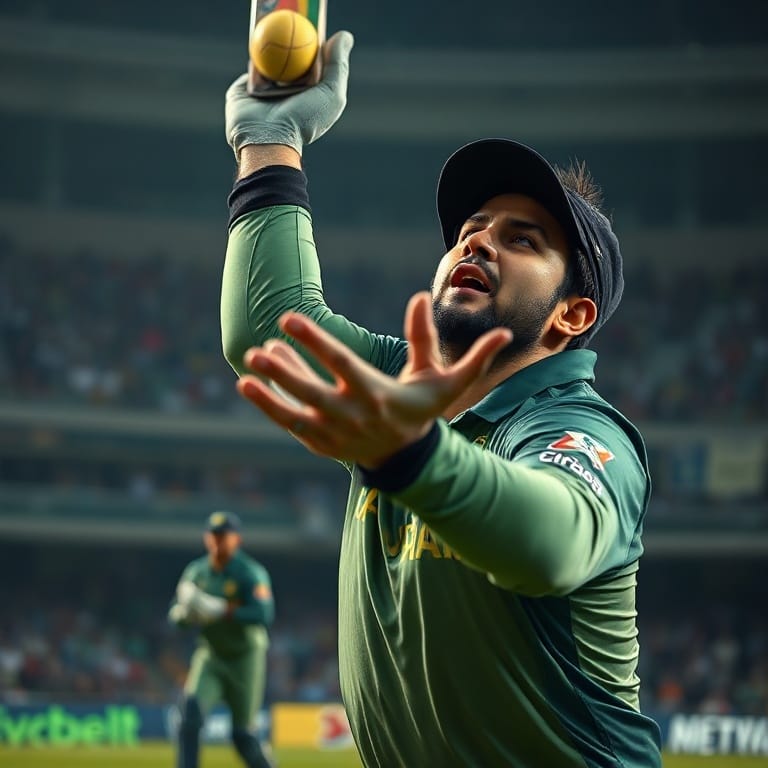
Player roles were crystal clear. Bhuvneshwar acted as the anchor of the bowling unit, his wagon‑wheel showing a perfect blend of new‑ball swing and death‑over precision. His 28 wickets at an average of 17.89 throughout the season made him a natural choice for the opening spell, and his economy of 7.95 in the final underscored his control. On the batting side, Rahul Tripathi’s role was that of a flexible finisher, rotating the strike early and then swinging the bat in the death overs. His six‑hit cameo of 29 off 12 balls sealed the chase with a flourish.
RCB’s tactical board also highlighted a subtle field placement shift after the 12th over. The captain moved the deep square leg a metre forward, anticipating a pull from GT’s lower‑order. The move forced a mistimed pull from Hardik Pandya, resulting in a caught‑and‑bowled that further dented GT’s momentum.
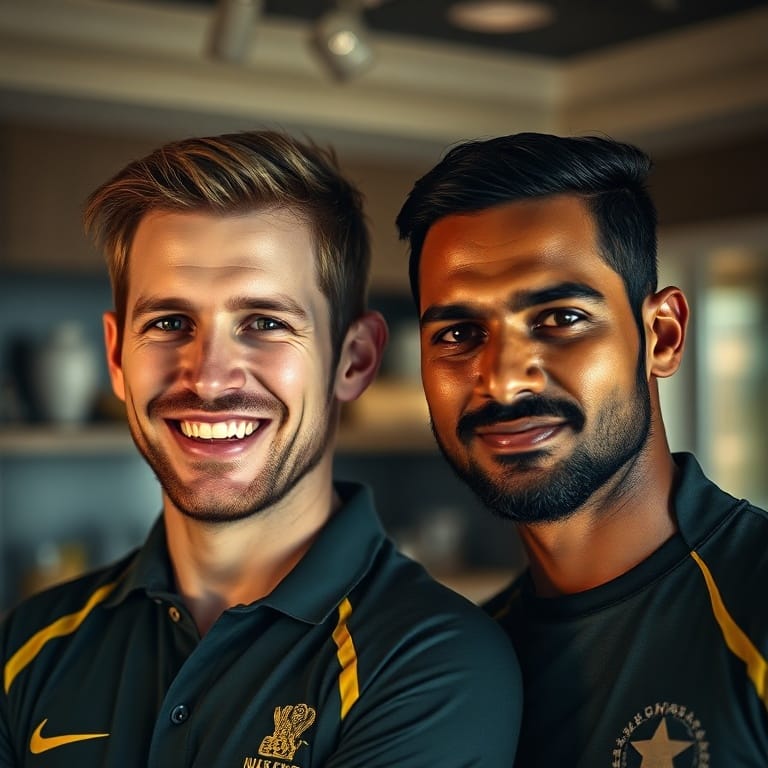
Beyond the on‑field drama, the post‑match social media wave added an emotional layer. David Warner’s Instagram story praised Bhuvneshwar, reminding fans of the 2016 SRH triumph where the two shared a championship under Warner’s captaincy. The tribute resonated because it highlighted cricket’s camaraderie beyond club colors, showcasing how friendships endure despite franchise shifts.
From a tournament perspective, RCB’s back‑to‑back titles shift the power balance in the IPL hierarchy. Their model—mixing seasoned Indian pacers with dynamic overseas talent—offers a blueprint for future squads seeking consistency. Meanwhile, Gujarat Titans will need to revisit their middle‑order strategy, perhaps emphasizing players who can rebuild innings after early wickets.
Looking ahead, the 2027 season looms with several teams eyeing the RCB formula. The auction will likely see a spike in demand for swing bowlers who can replicate Bhuvneshwar’s dual‑phase effectiveness. Franchises may also explore rotating captaincy duties, given RCB’s success with a collaborative leadership style that empowered senior players to make on‑field calls.
Fans across India have already begun drafting chants for the next final. In Bangalore, street vendors are selling “Bhuvi’s Swing” caps, while in Melbourne, Warner’s endorsement sparked a surge in RCB merchandise sales. The emotional tie‑in of former teammates celebrating each other’s success adds a human element that fuels fan engagement beyond pure statistics.
In sum, the IPL 2026 final offered a masterclass in tactical foresight, player specialization, and the power of mutual respect. RCB walked away with not just a trophy, but a narrative of resilience that will echo in conversations for years to come.