RCB vs DC: Green Jersey Clash at Chinnaswamy
RCB vs DC: Green Jersey Clash at Chinnaswamy
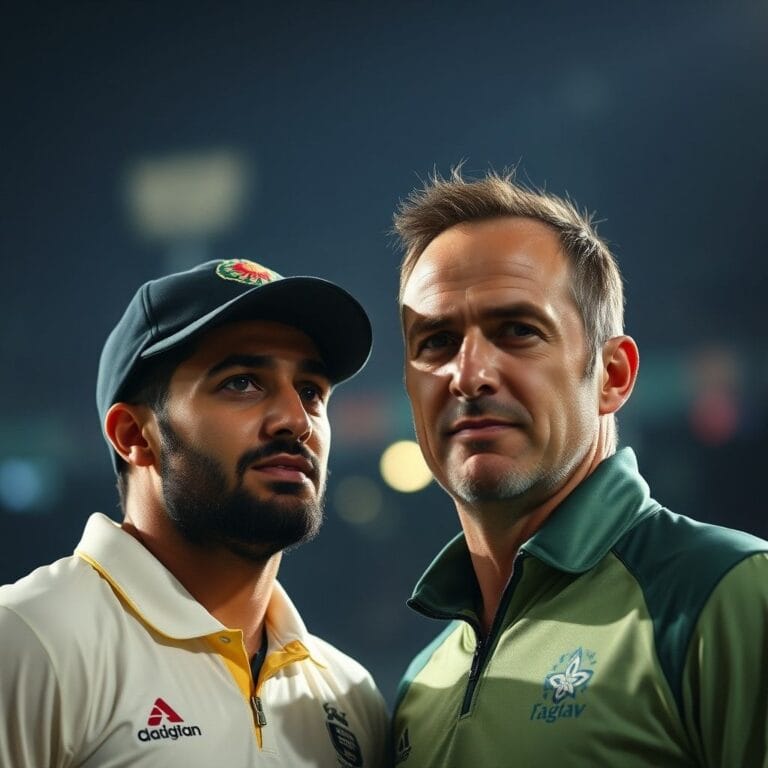
The story behind today’s clash at the M. Chinnaswamy Stadium is more than a contest between Royal Challengers Bengaluru and Delhi Capitals – it is a statement of purpose. RCB stepped onto the field in a striking green kit, a visual reminder of their carbon‑neutral pledge, and the decision set the tone for a match that blended cricketing tactics with a sustainability narrative.
From the toss, the match unfolded as a classic Chinnaswamy encounter. Delhi Capitals captain Axar Patel chose to bowl first, trusting the venue’s reputation as a batting haven for chase‑oriented teams. Rajat Patidar, RCB’s skipper, welcomed the decision, keen to pin a target on the board while the crowd soaked in the emerald hue of the jerseys.
RCB’s XI blended experience and youthful fire. Virat Kohli opened alongside Philip Salt, offering a blend of technique and aggression that suited the flat, “batting‑friendly” nature of the Bangalore pitch. The middle order – Devdutt Padikkal, Romario Shepherd, and Krunal Pandya – provided flexibility, capable of accelerating or stabilising as the situation demanded. The pace attack, led by Bhuvneshwar Kumar and the Australian quick Josh Hazlewood, was chosen to exploit the slight seam movement that usually appears under the stadium’s floodlights, even though the match started in daylight.
Delhi’s line‑up showed a clear intent to balance power hitting with disciplined swing bowling. The opening pair of Pathum Nissanka and KL Rahul (who also kept) gave the Capitals a solid start, while the spin duo of Kuldeep Yadav and T Natarajan promised to choke the run flow in the middle overs. The inclusion of left‑arm seamer Lungi Ngidi added variety, echoing the Capitals’ desire to keep the RCB batsmen guessing.
Beyond the field, the green jersey carried a weight of responsibility. RCB’s “Go Green Initiative” isn’t just a marketing tag – the kit is manufactured from 100 % recycled material, and every ticket also serves as a metro pass, nudging fans toward public transport. The stadium’s solar‑powered lighting and rigorous waste segregation further underline the franchise’s carbon‑neutral claim. For many supporters, the jersey symbolised a personal pledge: wear green, think green.
The Stats Behind the Strategy
| Player | Runs @ Chinnaswamy (Career) | Bowling Avg @ Chinnaswamy | Key Insight |
|---|---|---|---|
| Virat Kohli | 785 (12 matches) | – | Average >65, thrives on flat bounce |
| Philip Salt | 420 (8 matches) | – | Quick starts, adapts to slow turn |
| Bhuvneshwar Kumar | – | 22.4 | Swing thrives under lights, early overs |
| Josh Hazlewood | – | 24.1 | Consistent line, useful on medium pace |
| Kuldeep Yadav | – | 19.8 | Left‑arm wrist spin clicks on slower turn |
The numbers speak for themselves: Kohli’s batting average at this ground sits comfortably above 65, a testament to his ability to dominate the low‑bounce, high‑speed decks. Bhuvneshwar’s bowling average of 22.4 reinforces the wisdom of opening the spell with swing. For Delhi, Kuldeep’s sub‑20 average signals a potential breakthrough if the pitch offers any lateral turn later in the innings.
Strategically, RCB’s decision to bat first hinged on a two‑fold plan. First, they wanted to set a target that forced the Capitals to chase under the pressure of a ticking over rate. Second, the green jersey spectacle was expected to energise the home crowd, creating a vocal backdrop that could swing momentum during the middle overs. The plan paid off when Padikkal and Shepherd built a 120‑run partnership, leveraging the flat surface and the low‑risk approach of rotating the strike.
Delhi’s bowlers, aware of the target, focused on defending the line rather than seeking swing in the early overs. Axar Patel’s medium‑pace variation proved crucial, keeping the run rate in check while he bowled tight spells at the death. The turning point arrived in the 15th over when Kuldeep Yadav extracted a subtle drift, dismissing Romario Shepherd for a crucial duck. That wicket sparked a mini‑collapse, with RCB sliding from 170/2 to 190/6.
In the chase, the Capitals’ top order displayed textbook composure. Nissanka’s elegant drive and Rahul’s measured aggression set a platform, but the real drama unfolded when Patidar’s quick single turned into a boundary, showcasing the agility that often defines RCB’s middle order. The match tilted back and forth, but the green jersey crowd spurred a final surge from the RCB lower order, with Tim David and Krunal Pandya adding a vital 30 runs in the last eight overs.
The final margin of eight runs reflected the fine balance between tactics, player execution, and the psychological edge provided by the sustainability narrative. For RCB, the win was a reminder that a bold statement off the field can translate into focused energy on it.
Looking ahead, the green jersey match sets a benchmark for future fixtures. RCB will need to maintain the blend of aggressive batting and disciplined bowling, especially as they navigate a packed IPL schedule that includes travel to slower tracks in Chennai and high‑altitude venues like Dharamshala. Delhi Capitals, meanwhile, will reassess their death‑over strategies, perhaps experimenting with additional variations to counter RCB’s lower‑order firepower.
Fans across the league have taken note. Social media buzz isn’t just about the sixes; it’s about the collective sigh when spectators saw the stadium lights dim in favor of solar power, and the cheers when a recycled jersey fluttered on the field. The green kit has become a talking point, cementing RCB’s identity as a team that pushes boundaries both on and off the pitch.
In the broader IPL narrative, this match serves as a case study: sustainability can coexist with high‑octane cricket, and when a franchise weaves purpose into performance, it resonates with supporters, sponsors, and the sport’s future custodians.