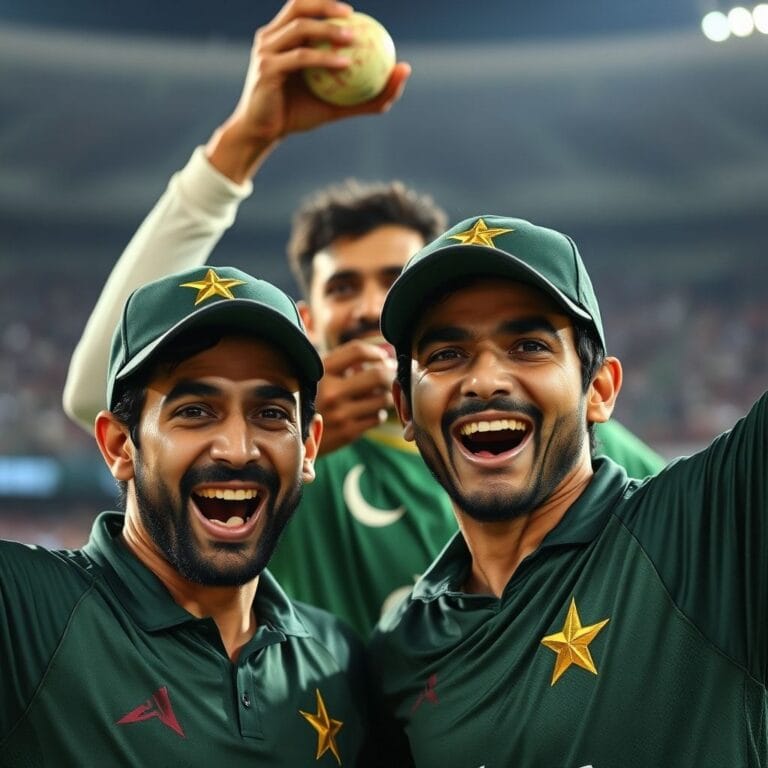
Rajasthan Royals Fall Short Against Delhi Capitals: A Tactical Breakdown
Rajasthan Royals Fall Short Against Delhi Capitals: A Tactical Breakdown
Riyan Parag opened up about why Rajasthan Royals fell short against Delhi Capitals at the Arun Jaitley Stadium, a loss that dented their playoff hopes. The candid assessment shines a light on the fine margins that separate a winning side from a team that merely survives.
RR entered the game with the bat, setting a bright tone. A quick 46 from Vaibhav Suryavanshi, a composed half‑century from Dhruv Jurel and a 51‑run contribution from Parag itself gave the Royals the early firepower to aim above 220. Yet, death‑over options failed to convert that platform, and a four‑wicket burst from Mitchell Starc capped the innings at 193/8. Delhi’s chase was anchored by a 105‑run opening stand, capped with a blistering finish that left RR with only a sliver of chance.
The Stats Behind the Strategy
| Metric | Rajasthan Royals | Delhi Capitals |
|---|---|---|
| First 14 overs (runs) | 132/0 | 68/1 |
| Runs after 15‑20 overs | +61 (193/8) | +44 (112/3) |
| Starc wickets | 4 (2/30) | 0 |
| Bowling economy (RR bowlers) | 7.75 | 6.20 |
| Fielding errors (catches dropped) | 3 | 0 |
RR’s opening partnership smashed the initial overs, but the death overs showed an 11‑run per over dip. Starc’s four‑wicket spell cut the momentum in half, while RR’s fielding lapses added extra runs that could have been saved. Delhi’s steady climb, especially the 105‑run opening stand, meant they never felt pressure despite the modest target.
Tactical Choices and Their Ripple Effects
Parag’s decision to hand the ball to Donovan Ferreira against two left‑handers was a gamble rooted in left‑handed match‑ups. Ferreira’s slower delivery aimed to cramp the batsmen’s width, yet the risk of a less‑experienced bowler on a hard, low‑bounce Delhi track proved costly. A more seasoned seamer like Shanaka could have offered a tighter line, especially when the defense needed to stem the flow of runs.
On the batting side, the Royals leaned heavily on the top order while the lower order was left to finish in a high‑pressure scenario. The lack of a designated finisher meant the run‑rate stalled just when the scoreboard demanded acceleration. In contrast, Delhi’s middle order, led by Ashutosh Sharma’s six‑ball explosion, showcased the value of a flexible finish‑line option.
Role of Venue and Conditions
Arun Jaitley’s hybrid pitch (hard surface with a soft, low‑lying outfield) usually rewards batters early and offers seam movement later. Starc exploited the late‑stage seam, using the subtle lateral movement that appears after 15 overs. RR’s bowlers, accustomed to a slower, turning track in Mumbai, seemed out of sync with the extra bounce, leading to erratic lengths.
For the Royals’ openers, the early bounce paired well with aggressive stroke‑play, which Suryavanshi and Jurel capitalised on. The shift in pitch behaviour after the 14‑over mark demanded a change in bowler tempo – a nuance that the team missed.
Player Mindset and Leadership Reflections
Parag’s post‑match honesty reflected a captain comfortable with self‑critique. He identified three pillars needing attention: capitalising on strong platforms, sharpening the death‑over bowling strategy and tightening fielding standards. His admission that the team “was not up to the mark” signals a willingness to reset the locker‑room culture.
Starc’s hunger to finish the innings with wickets illustrated a veteran’s understanding of match context. Rather than bowling merely to contain, he targeted wickets to destabilise the opposition’s momentum. The difference in approach underlined the value of experience in crunch phases.
Impact on the Tournament and What Lies Ahead
With this loss, Rajasthan slipped to the cusp of the playoff zone, needing two wins from the remaining four games to stay alive. Their net run‑rate now hovers just above the threshold, meaning every boundary will matter.
Delhi, on the other hand, solidified their position in the top four, gaining momentum that could carry them into the knockout stage. Their ability to chase under pressure highlights a mental edge that many teams still lack.
The next match for RR is against a mid‑table side where the pressure will be less about survival and more about confidence. A win would restore belief, while a third consecutive loss could seal their fate, leaving the franchise to reassess its composition for the next season.
Fan Perspective and Grounded Opinions
Supporters voiced frustration on social platforms, echoing Parag’s fielding concerns. Dropped catches and mis‑fields felt like “cheap gifts” to the opposition. Yet, there’s a thread of optimism: the early batting display reminded fans of the talent pool within the Royals, especially the emergence of Suryavanshi and the steadiness of Jurel.
Many argued that the real issue lies not in individual talent but in the team’s collective execution when the stakes rise. The criticism of the bowling gamble is louder than usual; fans expect a more aggressive use of their seam resources, especially on a pitch that favours late‑over movement.
In the stands, the chant “Play with heart, finish with fire” resonated as a reminder that cricket, especially in the IPL, is as much about mindset as skill. The Royals’ next steps will likely involve tightening the fielding drills, reviewing death‑over plans, and perhaps giving a seasoned pacer more overs to stem the flow of runs.
All eyes now turn to the upcoming fixtures, where the Royals must translate the lessons from this defeat into decisive performances if they hope to keep their playoff dreams alive.