Rabada’s Powerplay Spell Shakes KKR Early in IPL 2026
Rabada’s Powerplay Masterclass Spells Early Trouble for KKR
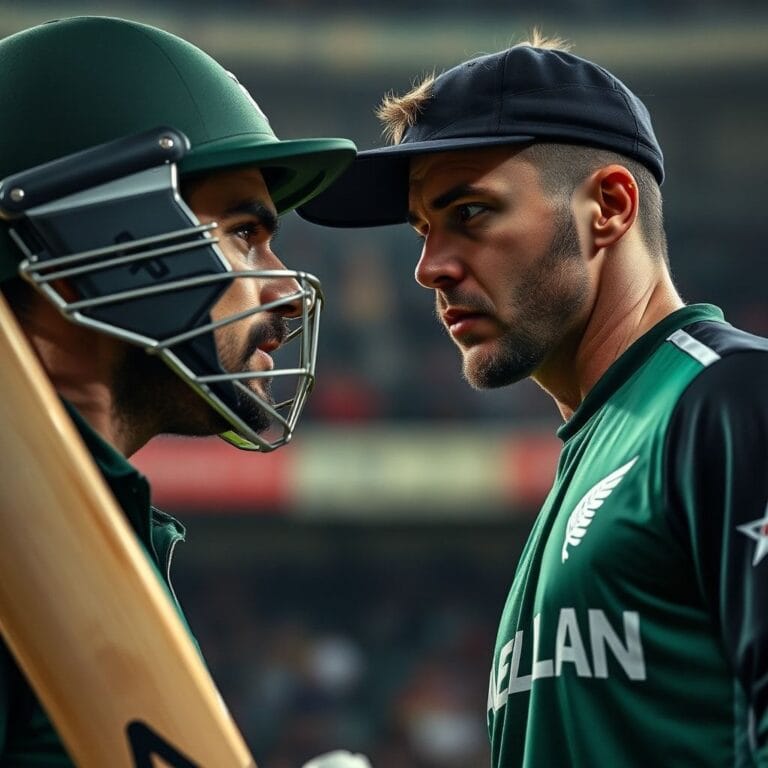
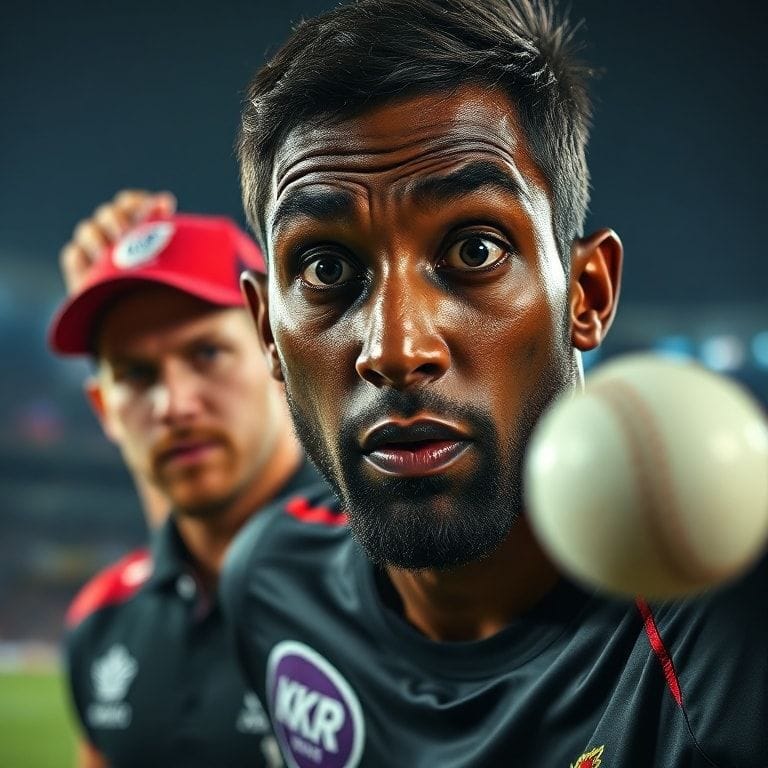
The Gujarat Titans’ opening spell saw Kagiso Rabada dismantle Kolkata Knight Riders early in IPL 2026, a moment that could define the fortunes of both sides. With KKR still searching for that elusive first win, Rabada’s two wickets in the powerplay shifted the balance dramatically.
Tactical Analysis and Team Decisions
Gujarat’s captain, Hardik Pandya, chose to unleash Rabada right from the first over, banking on the bowler’s ability to swing the new ball at the Chennai Super Kings-like conditions of the Wankhede. The decision was rooted in two observations: KKR’s opening pair had struggled against pace in the early part of the tournament, and Rabada’s back-of-length deliveries have a proven record of producing edges on the subtle bounce of the Wankhede pitch.
KKR, on the other hand, stuck with Finn Allen at number three despite his recent slump, hoping a quick cameo would lift the scoreboard. The gamble back-fired when Rabada’s 145 km/h back-of-length ball clipped the off-stump of Angkrish Raghuvanshi right at the end of the second over, sending Jos Buttler’s gloves flashing for a clean catch.
Two overs later, Rabada targeted Tim Seifert with a short-wide outside off, a classic ‘cut-ball’ setup that coaxed a reckless swing. The result: a simple catch at point by Glenn Phillips, who had been positioned strategically inside the circle for exactly this scenario. The early loss of two in-form batters forced KKR to reshuffle the batting order, pushing power-hitter Rovman Powell up the ladder under pressure.
The Stats Behind the Strategy
| Metric | Gujarat Titans (Last 5 Matches) | KKR (Last 5 Matches) |
|---|---|---|
| Powerplay wickets (0–6 overs) | 6 | 2 |
| Average first-over runs conceded | 4.2 | 7.8 |
| Rabada’s economy in IPL 2026 (so far) | 5.6 | – |
| Opposition top-order dismissal rate vs. pace | 38% | 21% |
The numbers tell a clear story: Gujarat’s bowling unit has been lethal in the first six overs, averaging more than a wicket per powerplay. KKR’s top order is disproportionately vulnerable to pace, a weakness Rabada exploited with textbook precision.
Player Roles and Mindset
Rabada entered the spell with a clear mission – strike early, dictate terms, and create a psychological crutch for his side. His body language before the spell – tight shoulders, deliberate run-up – suggested a focus on accuracy over raw speed. The deliveries he chose – back-of-length that moved away late – were designed to tempt KKR’s technically sound but overly confident openers.
Angkrish Raghuvanshi, who had been the talk of the tournament for his elegant cover drives, appeared to be playing his natural game too early, trying to capitalize before the ball settled. Tim Seifert, known for aggressive slog-s, fell into the classic trap of playing a rash cut against a bowler who had already set a pattern.
On the KKR bench, coach Chandrakant Pandit made a quick call to send in Shivam Dube as a ‘pinch-hitter’. The plan was to switch gears and accelerate, but the damage was already done – the team needed at least 70 runs just to stay competitive.
Venue Connection: Wankhede’s Subtle Bounce
The Wankhede in Mumbai has a reputation for a medium-pace friendly surface that rewards bowlers who can extract late movement. Rabada, accustomed to Johannesburg’s bouncy tracks, adapted quickly, using the slower, low-bounce environment to keep the ball skidding off the seam. His back-of-length delivery found just enough seam to drift away, making the off-stump a tantalising target for batters used to a higher bounce.
Conversely, KKR’s overseas players – especially Seifert from New Zealand – find the slower turn of Wankhede less forgiving when attempting overly aggressive cuts. The venue’s “grip” on the ball, a combination of dry red soil and a thin grass cover, amplifies the effect of a well-seamed delivery, turning a routine shot into a costly edge.
Tournament Impact and What Comes Next
For Gujarat Titans, the win solidifies their position in the top half of the table, and the early wickets give them a psychological edge over a struggling KKR side. Rabada’s spell not only earned him two crucial wickets but also reinforced his status as the leading strike bowler of the season, a player likely to be pivotal in the playoffs.
Kolkata Knight Riders face a steep climb. With three losses in a row, their net run rate is sinking, and the management may be forced to rethink their top-order strategy. Finn Allen’s continued exclusion could become a hot topic, while the team might look to promote a more technically sound batsman like Shubman Gill for the next match.
Fan Perspective and Grounded Opinions
The Gujarati fanbase, vocal and passionate, erupted on social media when the back-of-length wicket fell. Tweets praised Rabada’s “laser-like precision” and called for him to bowl the next ten overs. In Kolkata, the reaction was a mix of frustration and hope – fans recognised the need for a “reset” and urged the coaching staff to give the openers a longer leash rather than chasing quick runs.
From a neutral observer’s standpoint, the match highlighted a classic IPL narrative: a dominant bowler seizing early momentum against a side desperate for a win. The takeaway for KKR is clear – patience and a solid defensive approach in the powerplay could have prevented the early collapse. For Gujarat, the plan is to keep the pressure on, let their bowlers dominate the early overs, and let the middle order chase a manageable target.
Cricket Desk: Want more on Cricket Tactics? Check out our Cricket Tactics Latest News & Stats.