Prasidh Krishna’s Breakthrough Performance in Mullanpur Test
Prasidh Krishna’s Breakthrough Performance in Mullanpur Test
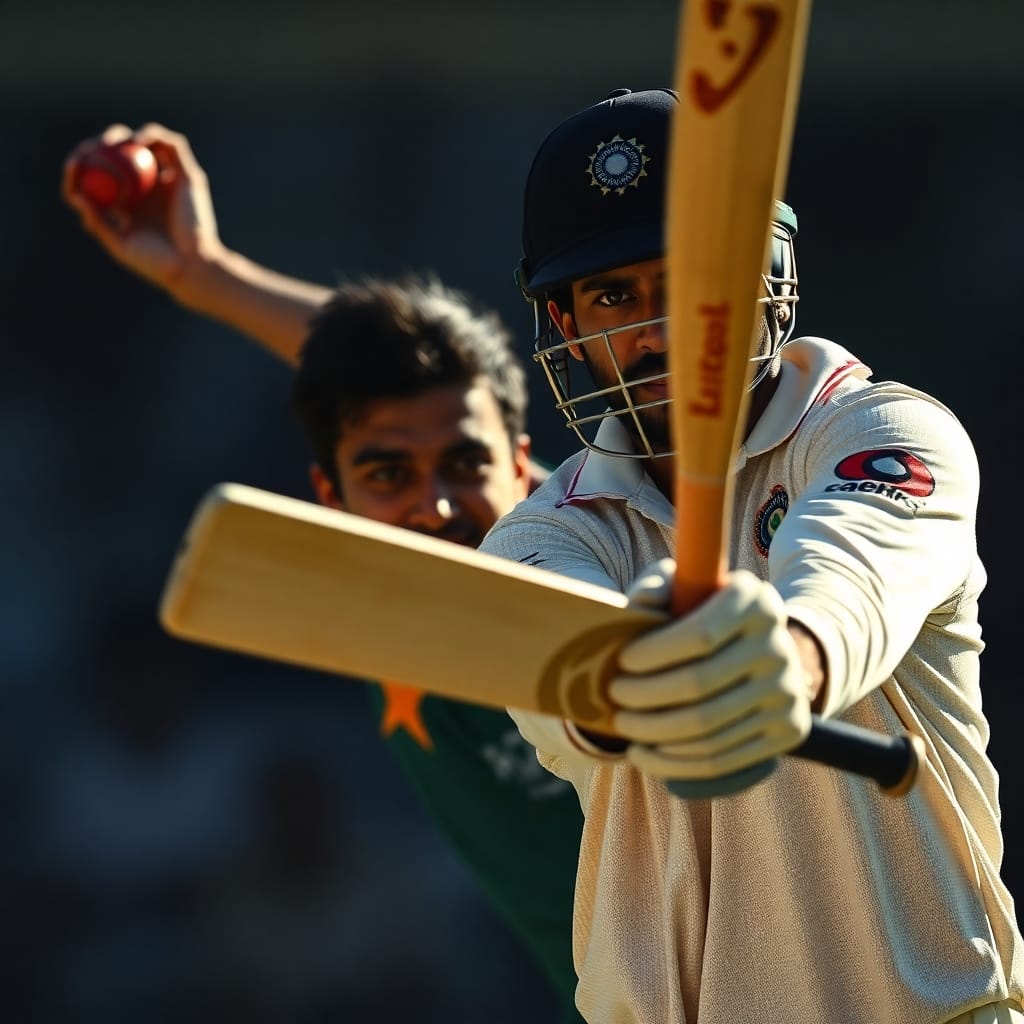
India posted a mammoth 564/8 on Day 1 of the one‑off Test in Mullanpur, then turned the spotlight onto their seam attack as Afghanistan began their reply. The day’s narrative pivots around Prasidh Krishna’s first‑class wicket on home soil – a delivery that rattled the Afghan top order and set the tone for the remainder of the innings.
The significance of this breakthrough extends beyond a solitary dismissal. It illustrates how a bowler can extract life from a pitch that seemed dominated by batting, and it provides a glimpse of how India might package its pace resources for future overseas assignments.
The Stats Behind the Strategy
| Innings | Runs | Wickets | Key Bowler | Figures |
|---|---|---|---|---|
| India 1st | 564/8 | 8 | Ravichandran Ashwin | 4/72 |
| Afghanistan 1st (session) | 102/4 | 4 | Prasidh Krishna | 2/28 (9 overs) |
| Afghanistan 1st (career‑best) | — | — | Mohammad Saleem Safi | 6/140 (38 overs) |
Two observations emerge from the numbers. First, the Indian top order’s partnership of 356 for the third wicket (Gill‑126, Pant‑81) smashed any hope of an early collapse. Second, Prasidh’s figures show a strike rate of a wicket every 4.5 overs – impressive on a surface that offered little bounce.
Tactical Blueprint and Team Decisions
India’s declaration at 564/8 was a calculated invitation to the visitors. By posting a total that eclipsed Afghanistan’s recent highest Test score, India forced the opponent into a defensive mindset from the outset. The decision to bowl first‑up with Prasidh and the swing‑capable Fast‑bowling unit aimed to exploit any lingering moisture in the morning.
Prasidh’s ninth‑over breakout came after a tight spell from the left‑handed pacer Ishant Sharma. The captain’s field adjustments – a slip cordon of three and a short‑leg positioned deep – signaled an aggressive approach to the new ball. When the ball pitched on a slightly greener patch and skidded sharply back into Atal, the combination of a tight seam position and a subtle finger‑roll produced the inside‑edge that drove the bails.
Afghanistan’s response highlighted a lack of experience against high‑pace, low‑bounce movement. Their opening pair, accustomed to slower sub‑continental tracks, seemed tentative. The decision to bring debutant spinner Manav Suthar into the attack early was a gamble that paid off with his maiden Test wicket, but it did not offset the pressure generated by the Indian seamers.
Player Roles, Mindset, and Venue Compatibility
The Mullanpur ground is known for its red‑clay top‑soil and a fine grass cover that rewards disciplined line and length. Prasidh, standing at 6 ft 5 in, uses his height to generate extra bounce, especially on pitches that retain moisture in the early hours. His ability to swing the ball back into a left‑hander like Atal is a direct result of the seam‑friendly nature of the venue.
Shubman Gill’s anchor‑role was evident from his patient 126. By rotating the strike and respecting the length, he allowed Pant to unleash his aggressive strokes later. Pant’s 81, full of lofted drives, came once the ball settled into a more predictable trajectory after the initial session.
For Afghanistan, captain Hashmatullah Shahidi’s dismissal for 20 by Prasidh underscored the need for a more adaptable mindset. Shahidi, usually comfortable on slower pitches, struggled against the subtle seam movement generated by the Indian bowlers. His dismissal also highlighted the psychological impact of an early wicket on a side that is still building its Test pedigree.
Tournament Impact and What Comes Next
Although this was a one‑off Test, the outcomes shape selection conversations for upcoming series and the ICC World Test Championship. Prasidh’s breakthrough establishes him as a viable option for future overseas tours, where pace and seam will be paramount. The performance also forces the Indian selectors to weigh the balance between spin‑heavy lineups and a more rounded attack.
Afghanistan, on the other hand, must reassess their preparation for high‑seam venues. The career‑best figures of Mohammad Saleem Safi suggest that individual brilliance can surface, but a cohesive bowling plan is still missing. Their next assignments will likely involve more exposure to green‑top pitches and a focus on building partnerships under pressure.
Fan Perspective and Grounded Opinions
Indian fans on social media celebrated the sheer volume of runs, but the applause shifted to the bowlers when Prasidh claimed his first Test wicket at home. The viral clip of the bails flying sparked a flood of comments praising his “beauty” and calling for a regular spot in the Test side.
Afghan supporters expressed disappointment, yet many highlighted the learning curve that comes with facing a world‑class attack. The prevailing sentiment: respect the opposition’s skill while acknowledging the need for more experience in such conditions.
From a neutral observer’s angle, the day offered a lesson in how a single, well‑executed delivery can change the momentum of a match. It also reminded everyone that a flat pitch does not guarantee batter domination – disciplined bowlers can still find ways to make a difference.
As the series moves towards its final innings, the narrative will revolve around whether Afghanistan can claw back from a 462‑run deficit and whether India’s seam attack can maintain its incisiveness. The answer will shape discussions about the future of Indian pace resources and the growth trajectory of Afghanistan’s Test ambitions.