Pooja Vastrakar’s Comeback: Mentored by Bumrah, Ready to Swing India’s Fortunes
Pooja Vastrakar’s Comeback: Mentored by Bumrah, Ready to Swing India’s Fortunes
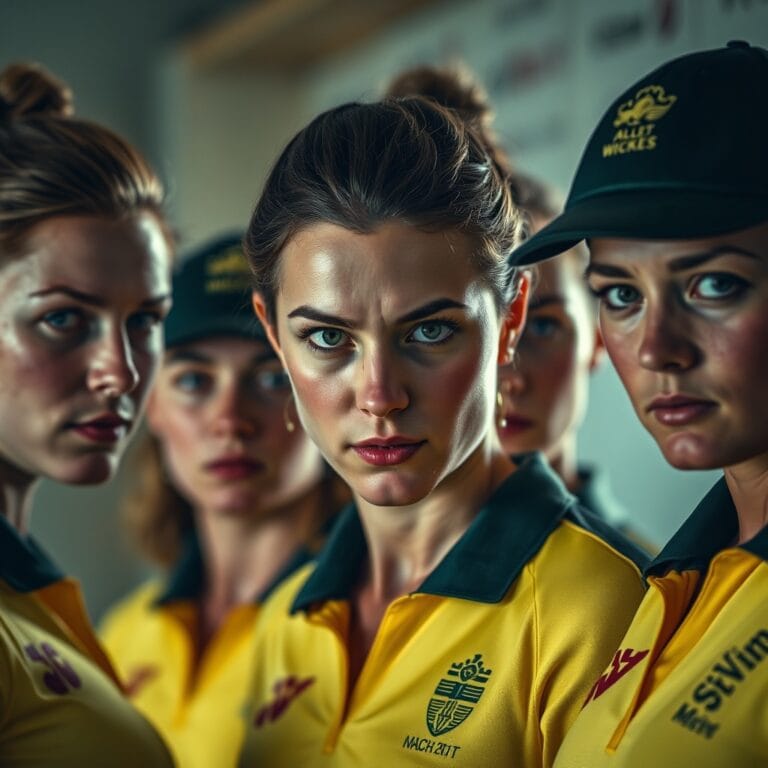
India’s women’s pace spearhead Pooja Vastrakar is inching back from a shoulder surgery that kept her out of the ongoing Women’s T20 World Cup 2026. Her story matters because it underscores how elite fast bowlers lean on each other for physical and mental support, a dynamic that could shape India’s bowling stock once she returns.
Vastrakar’s absence has left a noticeable gap in the side’s ability to swing the ball and add depth with the bat. While the Indian team managed to win the 50‑over World Cup without her, the balance she provides—pace, bounce, and lower‑order firepower—remains missing. The rehabilitation process at the BCCI’s Centre of Excellence (CoE) in Bengaluru turned into an informal mentorship camp, with senior men’s pacer Jasprit Bumrah stepping in as a guiding voice.
The Stats Behind the Strategy
| Player | Matches (T20Is) | Wickets | Economy | Batting Avg. |
|---|---|---|---|---|
| Pooja Vastrakar | 36 | 28 | 5.8 | 15.2 |
| Jasprit Bumrah | 115 | 156 | 5.1 | 9.4 |
The numbers reveal why Vastrakar’s role is hard to replace. Her economy hovers around 5.8, tighter than most Indian pacers, while she chips in with a useful batting average in the low‑teens. Bumrah’s 5.1 economy and sub‑10 batting average show his all‑round value, making his advice on process and pacing highly relevant.
At the CoE, the focus was not just on rebuilding strength but also on re‑wiring the mental circuits that fire when a bowler lands the third or fourth body‑weight hit on the delivery stride. Bumrah, who endured a back stress fracture and a year‑plus rehab stint, shared how he broke the cycle by breaking down his daily routine into bite‑size, controllable tasks.
Tactical Decisions Shaped by the Void
India’s management opted to play two specialist spinners and a lone seamer in the opening overs of the World Cup matches, a move that reduced the early wicket‑taking punch. The decision forced the middle order to shoulder the scoring burden and pushed the spin attack into defensive roles.
When Vastrakar returns, selector Rahul Dravid will likely tweak the lineup to re‑introduce a fourth pacer, restoring the four‑bowler formula that offers both control and aggression. Bumrah’s mentorship could see her being deployed as a first‑change bowler, exploiting the new ball’s seam movement—an approach that paid dividends in the 2022 T20 World Cup.
Player Roles, Mindset, and the Rehab Narrative
Vastrakar describes her conversations with Bumrah as “grounded pragmatism.” He emphasized that injuries are inevitable for fast bowlers who repeatedly subject their bodies to forces three to four times their weight. The key takeaway for her was to focus on the process—daily physiotherapy, strength work, and mental drills—rather than fixate on lost matches.
This mindset shift mirrors the modern fast‑bowling philosophy: treat the body as a machine that needs constant calibration, and treat setbacks as data points rather than disasters. Vastrakar’s renewed focus on the present has already shown up in her gym work; she now logs her range‑of‑motion gains and celebrates incremental improvements, a habit that Bumrah swears by.
Tournament Impact and What Comes Next
India’s women’s side will face Pakistan in the next group match, a high‑stakes encounter where a fourth pacer could make the difference. If Vastrakar is cleared in time, her ability to swing the new ball in sub‑continental conditions could tip the scales.
Beyond the tournament, her full return could see India fielding a three‑pace, two‑spin combination—mirroring the successful formula of the 2021 series against England. That blend offers flexibility on varied pitches, from the flat tracks in New York to the slower, turning wickets in Colombo.
Fan Perspective and Grounded Opinions
Fans on Twitter and Instagram have been vocal about Vastrakar’s absence, sharing memes that pit the team’s bowling depth against a “one‑paceman army.” The general sentiment is that while the women’s team has shown resilience, the real test comes how quickly Vastrakar can reclaim her spot and whether the mentorship from Bumrah translates into on‑field performance.
Grounded observers argue that the real story isn’t just about one player’s comeback but about how India’s cricketing ecosystem is nurturing cross‑gender mentorship. That cultural shift could produce a pipeline of fast bowlers who are both physically robust and mentally resilient, a win for Indian cricket at large.