Pakistan Women’s Squad for 2026 T20 World Cup: Strategy, Stats, and Venue Insights
Pakistan Women’s Squad for 2026 T20 World Cup: Strategy, Stats, and Venue Insights
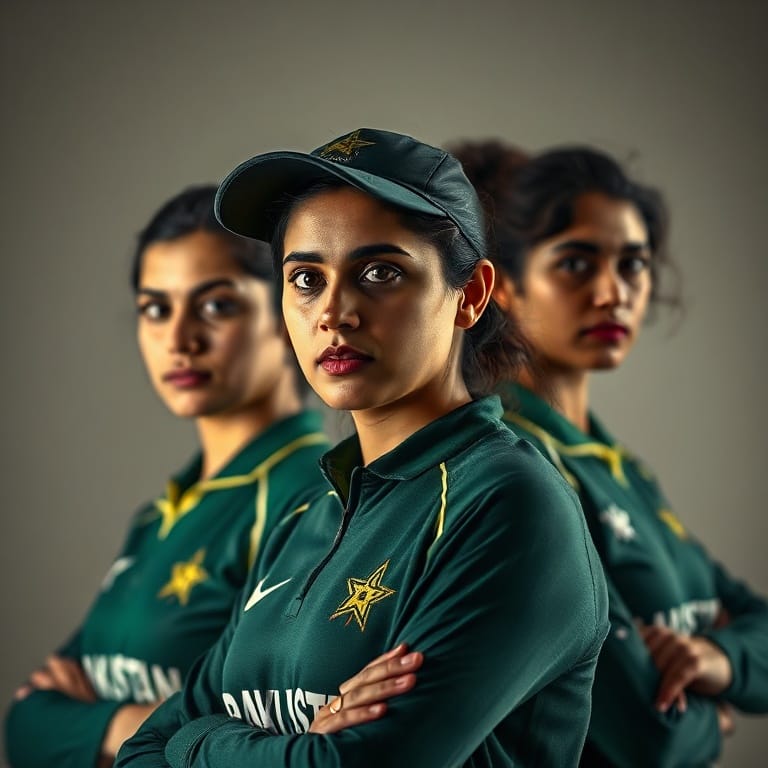
Pakistan have unveiled a 15‑player squad for the 2026 Women’s T20 World Cup, naming Fatima Sana as captain for a second stint. The announcement comes with a tightly‑packed preparatory schedule that could set the tone for what many hope will be a breakthrough tournament.
The Stats Behind the Strategy
| Player | Recent T20I Avg | Recent ODI Avg | Key Venue Compatibility |
|---|---|---|---|
| Gull Feroza | 48.6 | 62.3 (2 centuries) | Edgbaston – pace‑friendly swing |
| Muneeba Ali | 31.2 | 27.5 | Derby – slower, low bounce |
| Diana Baig | 13.4 (12 wickets) | 16.1 (8 wickets) | Dublin – overcast, seam movement |
| Fatima Sana (c) | 26.8 | 24.0 | All venues – all‑rounder role |
Those numbers illustrate a clear pattern: the batting core leans heavily on a couple of in‑form players, while the pace attack banks on swing‑friendly conditions in the British Isles. The squad’s mix of experience and fresh talent reflects a deliberate attempt to balance consistency with the hunger of newcomers.
Strategic Overview
The first piece of the puzzle is the tri‑series in Dublin against Ireland and the West Indies. Irish pitches tend to hold a thin seam under cloudy skies, rewarding bowlers who can extract swing and maintain disciplined lines. Diana Baig’s return adds a seasoned seam option who has thrived in similar environments during past tours of England. Her ability to bowl a tight opening spell should force early wickets and give the middle order a platform. The second piece is the back‑to‑back warm‑up games in Derby against Sri Lanka and Scotland. Derby’s outfield is usually fast, but the pitch itself offers modest pace and a bit of turn. That setting suits Muneeba Ali’s steady wicket‑keeping and her proclivity for rotating the strike. Her experience in handling low‑bounce tracks will be valuable when Pakistan faces teams that rely on aggressive power‑play hitting. Finally, the marquee opener at Edgbaston pits Pakistan against arch‑rival India on a venue known for its lateral movement and a good carry for faster bowlers. Gull Feroza’s aggressive style, proven by two ODI centuries against Zimbabwe, could be the catalyst for a quick start. If she can combine her natural power with the extra bounce Edgbaston provides, Pakistan could put India on the back foot early in the tournament.
Team Selection and Player Roles
Fatima Sana, now a seasoned leader, continues to wear the captain’s armband while contributing with both bat and ball. Her all‑round ability gives the side flexibility – she can be promoted to the middle order if a top‑order collapse occurs, and she provides a crucial fifth bowling option when the seam unit needs a change of pace. The top order revolves around veteran Muneeba Ali and Ayesha Zafar, both of whom have shown an ability to anchor innings. Their presence mitigates the risk of early wickets, allowing the newcomers – Eyman Fatima, Natalia Pervaiz, Rameen Shamim, Saira Jabeen and Tasmia Rubab – to settle in with less pressure. On the bowling front, the pacer trio of Diana Baig, Anam Amin and newcomer Rameen Shamim creates a layered attack. Baig offers experience and swing, while Amin brings variation through slower balls and cutters, an asset on the low‑bounce Derby surface. Shamim, a youthful fast bowler, brings raw pace that can surprise batsmen on the Edgbaston track. Spin has been deliberately kept light, with the selectors opting for a part‑time off‑spinner in Hina Azam. The decision signals confidence that the seam attack will dominate the English conditions, a bet that appears justified given the current form of the pacers.
Tournament Impact and What Lies Ahead
Pakistan’s momentum from a clean sweep of Zimbabwe in both ODIs and T20Is creates a psychological edge. Yet the step up to a World Cup stage introduces a new intensity. Their opening clash with India will likely set the tone for the group. A win could propel Pakistan into the early‑stage knockout conversation; a loss would demand a swift regrouping before the next group match. Beyond the opener, the group also includes teams like Australia and South Africa, each boasting deep batting line‑ups. Pakistan’s path to the Super 4s hinges on extracting maximum points from the Ireland and West Indies fixtures in Dublin, where the swing‑friendly conditions could tilt the balance. If the bowlers can consistently take two wickets in the powerplay and the top order can post 130‑plus totals, Pakistan will stay ahead of the required net‑run‑rate curve. The reserve pool of six players offers insurance against injuries, especially given the tight travel schedule between Ireland, England and the final stages. Looking ahead, a strong showing in the group could accelerate the growth of women’s cricket back home, encouraging more investment and grassroots development.
Fan Perspective and Grounded Opinions
Supporters across Lahore and Karachi have been vocal on social platforms, urging the team to stay united and play with belief. The mixture of seasoned campaigners and fresh faces has sparked optimism, but many fans also caution against over‑reliance on a few stars. The consensus is clear – the team must execute plans consistently and adapt quickly to changing conditions. In the stands, the crowd’s energy will be vital during the India match at Edgbaston. Pakistani expats in the UK have already rallied, planning viewing parties that could turn the venue into a sea of green. Such enthusiasm can lift the players, especially in tight moments when a single boundary or wicket can swing the match. the squad reflects a genuine attempt to build a side that can compete with the world’s best while laying a foundation for future tournaments. The next few weeks will reveal whether the blend of experience, youth and strategic preparation can translate into a memorable World Cup run.