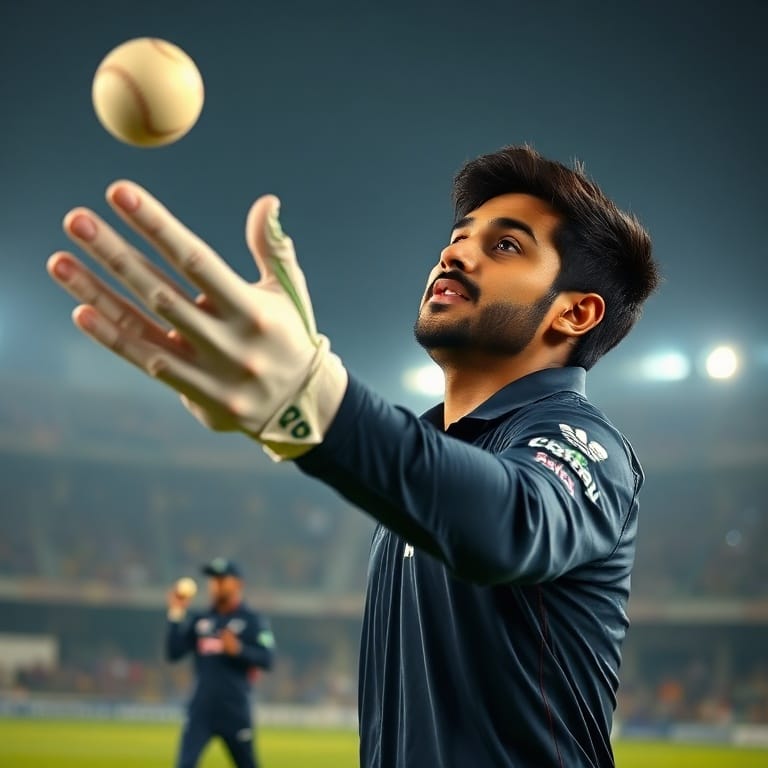
Mumbai Indians Dominate Gujarat Titans with Stunning Chase and Bowling Spell
Mumbai Indians Dominate Gujarat Titans with Stunning Chase and Bowling Spell
Mumbai Indians turned the night at the Narendra Modi Stadium into a showcase of raw talent and tactical flair. Tilak Varma’s blazing century paired with Ashwani Kumar’s four-wicket spell not only overturned a shaky start but also sent a clear signal to the IPL chase pack.
The Stats Behind the Strategy
| Metric | Mumbai Indians | Gujarat Titans |
|---|---|---|
| Total Runs (20 overs) | 199/5 | 100 all out (15.5 overs) |
| Run Rate | 9.95 | 6.31 |
| Top Partnership | Varma & Pandya – 87 runs (15 balls) | Gill & Tewatia – 27 runs (12 balls) |
| Wickets – Impact Player | Ashwani Kumar – 4/24 (4 overs) | Jasprit Bumrah – 2/38 (4 overs) |
| Net Run Rate Change | +0.45 | -0.38 |
What the numbers hide is a story of timing. Mumbai’s decision to activate Ashwani Kumar right after the powerplay turned a steady chase into a collapse. Gujarat’s early loss of Shubman Gill on the first ball set the tone, but the real swing came when Kumar ripped through the middle order in just two overs, a move that would have been impossible without the Impact Player rule.
Match Context and the Stakes
Both sides sat in the middle of the table – MI at sixth, GT at tenth – with the playoff picture still fluid. A win for Mumbai meant not only two points but a vital bump in net run rate, a metric that often decides the final two spots. For Gujarat, a win was a lifeline; a loss deepened the hole and added pressure to their remaining fixtures.
Tactical Choices that Shaped the Game
Mumbai’s early wobble (44/3) forced a rethink. Captain Hardik Pandya, usually an aggressive opener, chose to consolidate with Naman Dhir, allowing Varma the freedom to settle before accelerating. The decision to hold back the second Impact Player until after the powerplay gave the bowlers a fresh weapon when Gujarat’s chase stalled.
Gujarat’s bowlers tried a conventional pace attack with Rabada, who struck three wickets in the powerplay but over-bowled his front-line, leaving them thin in the death overs. The Titans’ decision to start Shubman Gill on the first ball, a move that traditionally works, backfired when Ashwani Kumar produced a dead-eye yorker to claim him for 14.
Player Roles, Mindsets, and Venue Nuances
Tilak Varma, a left-hander, thrives on the fast, true bounce of the Narendra Modi pitch. The surface’s low turn and crisp carry suited his bat swing, allowing him to find gaps both behind the square and over the deep mid-wicket. His 101 off 45 balls came after a grounding 33-ball fifty that anchored the innings; the second half of his knock – 12 balls for the next 50 – leveraged the ball’s pace to launch sixes that barely skimmed the turf.
Ashwani Kumar’s skill set is built for the same conditions. His pace hovers around 140 km/h, but the real weapon is his ability to swing both ways on a green top. The modest seam movement on the Mumbai pitch meant he could generate late-phase swing, which puzzled Gujarat’s chase, especially the right-handed middle order.
For Gujarat, the slow-turn expectation was misplaced. The pitch offered little assistance to spinners, a fact reflected in the middling figures of Washington Sundar and Mitchell Santner. The Titans’ reliance on traditional powerplay aggression (Rabada’s triple strike) left them exposed once the ball flattened out after the first five overs.
Impact on the Tournament and What Comes Next
With this win, Mumbai jumps into the top five and tightens the race for the third playoff spot. Their net run rate now sits at an enviable +0.42, making them dangerous opponents for any side that hopes to edge them out.
Gujarat, meanwhile, must recalibrate. Their next fixture against a top-four side will test whether they can regroup or slide further down the table. The loss also highlights the need to adapt to non-spinning tracks, perhaps by investing in seamers who can extract movement from the green-top conditions.
Fans’ Pulse and Grounded Opinions
The social chatter after the match was a blend of awe and frustration. Fans flooded Twitter with clips of Varma’s sixes and Kumar’s spell, praising the young duo’s composure under pressure. A recurring sentiment: “Varma’s century gave us hope; Kumar’s four-fer nailed it.” On the flip side, Gujarat supporters lamented the missed opportunities and the over-reliance on the powerplay.
- “Seeing a youngster like Varma explode like that is a reminder why we love this league,” wrote one fan.
- “The Impact Player rule saved MI – worth every controversial debate,” noted another.
- Gujarat’s followers pointed out the need for a better death-over plan, saying, “We need bowlers who can handle pressure in the final overs.”
the match reinforced the IPL’s narrative: Young talent can shift fortunes in an instant, and tactical flexibility often wins the day.