Mumbai Indians’ 2026 IPL Campaign: What Went Wrong and What’s Next
Mumbai Indians’ 2026 IPL Campaign: What Went Wrong and What’s Next
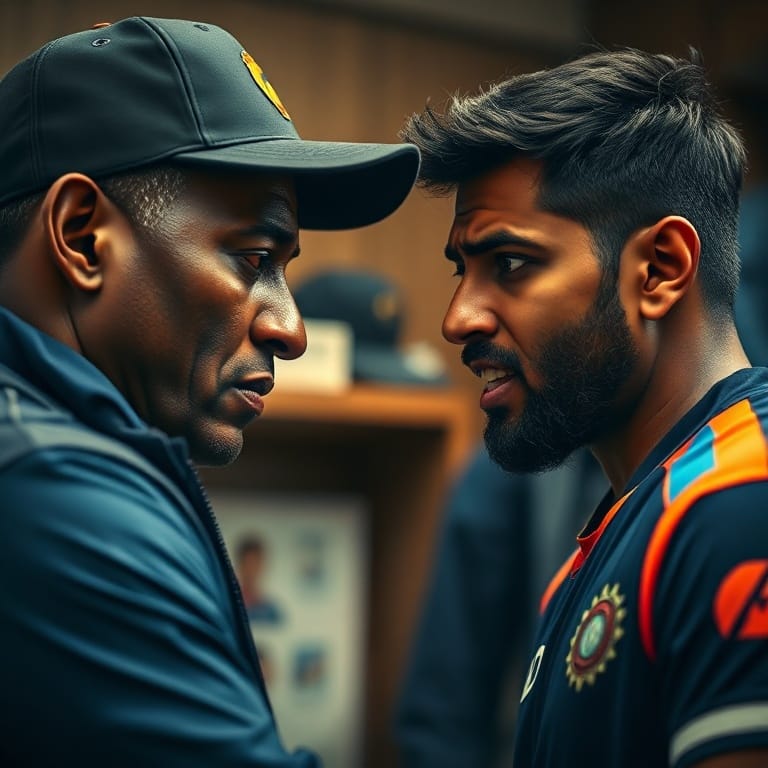
Mumbai Indians ended IPL 2026 on a disappointing note, finishing ninth and prompting coach Kieron Pollard to give a blunt assessment of Hardik Pandya’s captaincy. The post-match interview shines a light on a season where big names and big expectations collided with poor execution, a story that matters for anyone tracking the franchise’s future.
From the outset, MI entered the tournament with a squad packed with experience: Hardik Pandya handling the bat, ball and the armband; Jasprit Bumrah leading the death-overs attack; Ishan Kishan steering the opening partnership; and a blend of domestic talent ready to step up. The pressure to replicate the five-title legacy was palpable, and the early losses set a tone that proved hard to shake.
The Stats Behind the Strategy
| Metric | Value |
|---|---|
| Matches Played | 14 |
| Wins | 4 |
| Losses | 10 |
| Net Run Rate | -0.584 |
| Top Run-scorer (Runs) | Hardik Pandya – 382 (22.47 avg) |
| Best Bowler (Wickets) | Jasprit Bumrah – 14 (3.21 avg) |
| Highest Partnership | Ishan Kishan & Hardik Pandya – 87 runs (vs Gujarat Titans) |
These numbers tell a simple tale: MI could win when their core trio clicked, but they struggled to string consistency across the campaign. The negative NRR highlights that losses were often heavy, while victories came in low-scoring contests where the bowlers held the line.
Tactical Choices and What Went Wrong
At Wankhede, the home ground’s reputation for assisting both spin and bounce should have been an advantage. MI’s strategy leaned heavily on pace in the powerplay, opening with Kishan and Pandya to exploit the field-restriction window. In practice, Kishan’s aggressive starts produced quick wickets but also left the middle order exposed.
When the early overs faltered, MI turned to the spin duo of Rahul Chahar and Piyush Chawla. The Wankhede pitch, flattens after the first ten overs, reducing turn. The decision to persist with spin in the middle overs often resulted in dot-ball pressure and a lack of run flow, forcing a scramble in the death overs.
Death overs were meant to be Bumrah’s domain. Yet, a mix of over-bowling and occasional misreads handed the opposition easy boundaries. In the match against Rajasthan Royals, Bumrah bowled 3.5 overs conceding 48 runs, a costly spell that tilted the balance.
Hardik’s role as an all-rounder added complexity. When he opened, his swing was useful, but the same swing was a double-edged sword when he tried to accelerate in the middle order, resulting in a series of dot balls and low strike rates. The dual responsibility of leading and performing kept him from focusing on either fully.
Player Mindset and Role Adaptation
Hardik entered the season wanting to prove his mettle as a full-time captain. The weight of leading a star-studded roster was evident in his body language—often seen pacing between the wickets, eyes scanning the field. His mindset seemed split: wanting to dominate with bat, deliver with ball, and manage a diverse dressing room.
Bumrah, a calm presence in most campaigns, appeared restless in the mid-season. The frequent changes in bowling plans—switching between yorkers, slower balls, and bouncers—suggested he was searching for a rhythm that never fully settled. His temperament, usually unflappable, hinted at fatigue after consecutive high-pressure overs.
Kishan, the young opener, tried to cement his position with aggressive starts. His strike-rate of 138 across the tournament showed intent, yet the lack of support from the middle order turned many promising starts into low totals.
Domestic players like Rahul Tripathi and Kieron “NTR” Kishna were given chances in the lower order, but the pressure of a struggling side limited their ability to showcase consistency.
Impact on the Tournament and What Lies Ahead
MI’s premature exit reshaped the playoff picture, allowing teams like Kolkata Knight Riders and Sunrisers Hyderabad to clinch spots with relative ease. The early loss of a heavyweight franchise reduced the overall competitiveness of the league’s latter stages.
Looking forward, the franchise faces a series of decisions. Pollard’s call for a measured review suggests the management will not rush into a wholesale overhaul. Potential areas of focus include:
- Re-evaluating the opening partnership—perhaps pairing Kishan with a more stable left-hander.
- Introducing a specialist death-over bowler to complement Bumrah’s penultimate overs.
- Assigning Hardik a clear role—either as captain-only or as an all-rounder with reduced leadership duties.
- Investing in young Indian spinners who can extract turn on the slower phases of Wankhede’s surface.
The next auction will be pivotal. A balanced blend of youthful energy and seasoned firepower could revive the franchise’s edge. Fans will be watching closely to see if MI retains its core or opts for a fresh blueprint.
The Fan Perspective
Supporters who have celebrated five titles together felt the sting of a season that seemed to slip through their fingers. Social media threads echoed a mix of frustration and hope. Many pointed to the lack of a clear game plan, while others defended Hardik’s effort, noting his willingness to shoulder responsibility.
Ground-level fans recalled the roar when MI chased down a modest total against Gujarat Titans, a moment that reminded them of the team’s resilience. Yet, the longer drought of high-scoring fireworks left a sense of unfinished business.
In conversation with a longtime MI follower, the sentiment was clear: “We love the team, but we need to see a plan that plays to the strengths of our players and the conditions we know best. Hardik gave his heart, but the pieces didn’t fit together.” This blend of loyalty and demand for accountability captures the current pulse of the fanbase.
As the franchise embarks on its next chapter, the dialogue between management, players, and supporters will shape the direction. Whether the next season brings a return to dominance or another period of rebuilding, the story of MI’s 2026 campaign will serve as a cautionary tale about the fine line between ambition and execution.