KL Rahul Goes Unsold: Scheduling Conflicts and Strategic Shifts in the Maharaja Trophy Auction
KL Rahul Goes Unsold: Scheduling Conflicts and Strategic Shifts in the Maharaja Trophy Auction
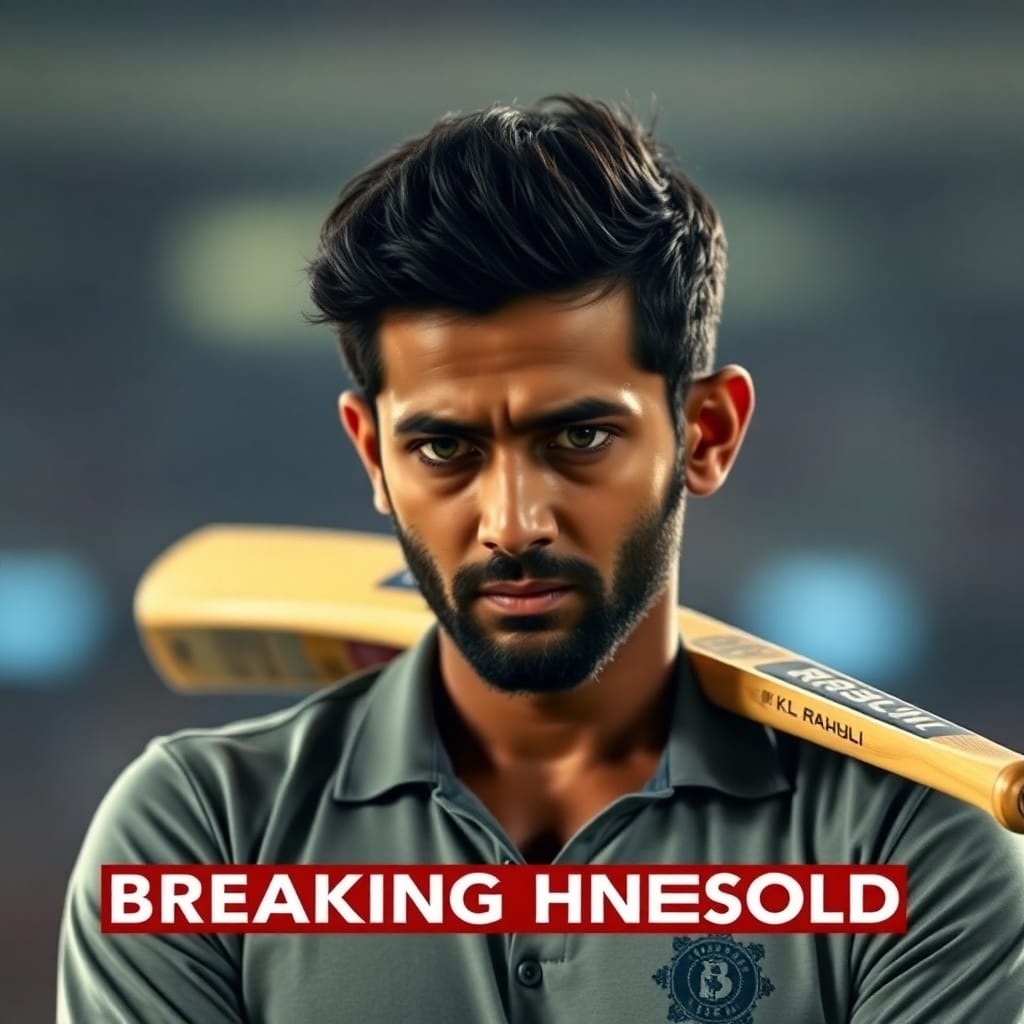
KL Rahul walked away from the Maharaja Trophy KSCA T20 2026 auction without a bid, a shock that rippled through fans and pundits alike. The episode matters because it highlights how packed international calendars are reshaping franchise strategies, even for a player of Rahul’s calibre.
The Stats Behind the Strategy
| Metric | KL Rahul (IPL 2026) | Average T20 Auction Price (2025‑26) |
|---|---|---|
| Runs scored | 593 | — |
| Average | 42.3 | 38.7 |
| Strike rate | 138.5 | 136.2 |
| Matches played | 14 | — |
| Availability days (June‑July) | 15 (out of 45) | 35‑40 |
The table makes it clear: Rahul’s numbers are among the best, yet his availability window shrunk to roughly a third of the tournament. Franchises, faced with the risk of a mid‑season exit, gravitated toward players who could guarantee near‑full attendance.
Match and News Context
The auction fell on June 5, just days before India’s one‑off Test against Afghanistan in New Chandigarh. Rahul, named vice‑captain for that match, was also slated to feature in the subsequent three‑match ODI series, with the final game set for June 20 in Chennai. The national team’s packed itinerary – followed by a T20I swing to Ireland and England – left a narrow gap for any domestic league.
Franchises in the Maharaja Trophy, a tournament that runs through June and July, faced a dilemma: invest heavily in a marquee name who might miss half the fixtures, or fill the roster with reliable, fully‑available talent. Many chose the latter, explaining the silence around Rahul’s name during the opening round.
Tactical Analysis and Team Decisions
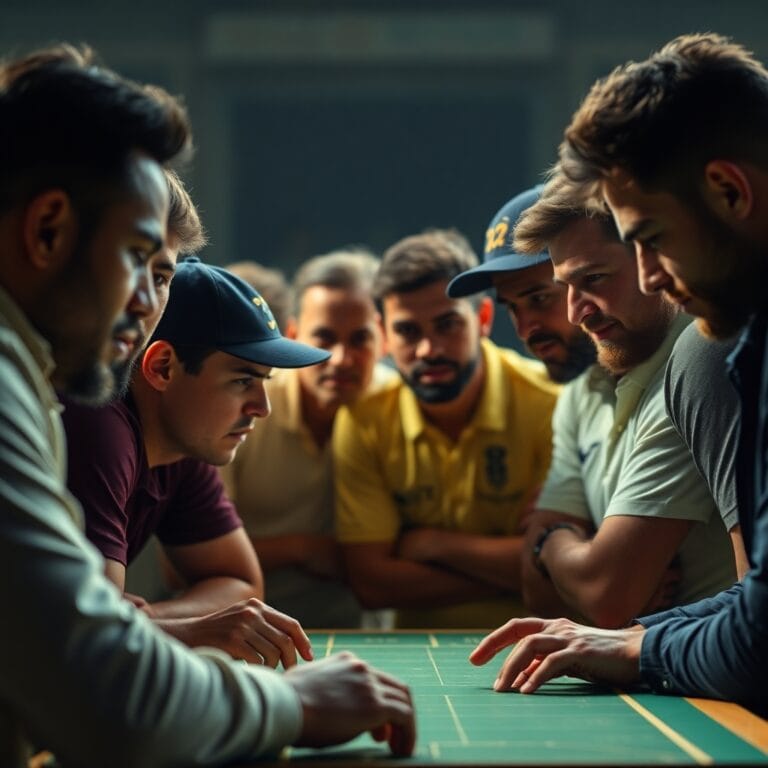
Team owners approached the auction with a clear risk‑management lens. The primary goal was to secure a balanced squad capable of fielding a XI for every match. This meant prioritising:
- All‑rounders who could bat and bowl, increasing lineup flexibility.
- Domestic bowlers familiar with Karnataka’s pitches, reducing the need for overseas signings.
- Younger batsmen eager to prove themselves, available throughout the campaign.
When Rahul’s base price of ₹2 lakh entered the pot, owners calculated the cost of a potential gap in the batting order versus the price of a full‑season player. The math tilted toward the latter, especially as the auction platform allowed quick swaps – a franchise could lose a player early and replace him with a fully‑available alternative without a major budget hit.
Player Roles and Mindset
Rahul’s role in the national set‑up is clear: keeper‑batter, occasional middle‑order anchor, and a senior voice in the dressing room. His mindset heading into the auction was reportedly pragmatic – he understood the calendar clash and chose to focus on the Test and ODIs rather than chase a short‑term franchise contract.
For the players who did get picked, the mentality shifted to proving value in a condensed window. Batsmen like Devdutt Padikkal and Mayank Agarwal, both from Karnataka, were seen as long‑term assets for the franchise and the state. Their familiarity with Bengaluru’s JCB Stadium – a venue that offers a true bounce on a hard surface – gave them a tactical edge.
Venue‑Based Player Linking
Karnataka’s venues vary from the low‑bounce, spin‑friendly pitches at M. Chinnaswamy Stadium to the pace‑assisting tracks at Hubballi. Rahul, having grown up on the red soil of Bengaluru, thrives on back‑foot play and can accelerate on the extra bounce at Chinnaswamy. In contrast, Mayank Agarwal’s high‑floor technique makes him a natural fit for the slower, turning conditions at Hubballi, where patience and a soft touch are rewarded.
Shreyas Gopal, a wrist‑spinning all‑rounder, fits the Coorg conditions where the green patches can provide turn even early in the innings. Franchises that drafted him expect a wicket‑taking option on the second day of a match, while also banking on his handy lower‑order batting.
Tournament Impact and What Comes Next
The unsold status of Rahul sends a clear signal to all domestic leagues: international duty will increasingly dictate auction dynamics. Teams may start negotiating with the BCCI for release windows or design contracts that allow a player to join mid‑tournament without jeopardising the squad’s balance.
Looking ahead, Rahul will likely return to the IPL with Delhi Capitals next season, armed with fresh experience from the Test and ODI series. His performance in those formats could reignite interest, especially if the Indian board eases the back‑to‑back scheduling of international fixtures.
For the Maharaja Trophy franchises, the focus will now be on building cohesion around the players who were actually bought. The tournament’s early fixtures, held at the high‑altitude ground in Dharamshala, will test the batting depth of squads that missed out on Rahul’s firepower.
Fan Perspective and Grounded Opinions
Fans took to social media with a mix of disbelief and acceptance. Many expressed disappointment, citing Rahul’s IPL numbers as proof of his class. Others argued that franchises made a sensible business decision, pointing to the limited window of his availability.
On the ground, the sentiment is pragmatic: fans want to see a full‑strength lineup week in, week out. The disappointment over Rahul’s absence is mitigated by the excitement surrounding local talents like Padikkal, who embody the home‑grown spirit of the tournament.
In the end, the auction highlighted a new reality for Indian cricket – the balancing act between national responsibilities and domestic league aspirations. As the calendar keeps tightening, both players and owners will need to adapt, and the next auction may see more creative contract structures to keep marquee names in the mix.