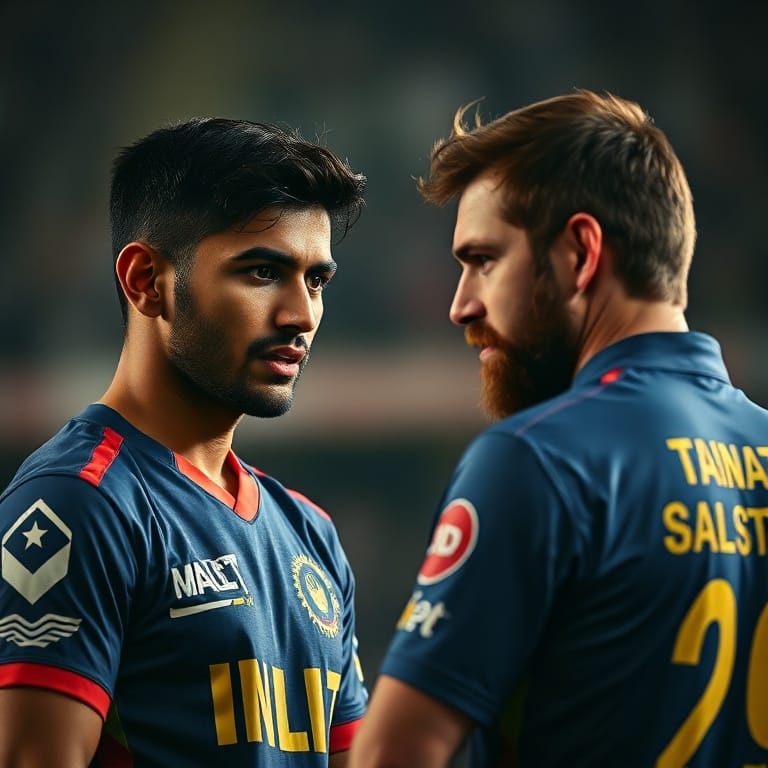
KKR benches Tim Seifert for Finn Allen in IPL 2026 playoff push
KKR’s Tactical Gamble: Why Tim Seifert Was Benched in IPL 2026 Clash
The 45th match of IPL 2026 at Rajiv Gandhi International Stadium saw Kolkata Knight Riders leave veteran Kiwi Tim Seifert on the bench. Fans and pundits alike were keen to know why the side chose a different overseas combination against Sunrisers Hyderabad, a decision that could tip the balance in a tight playoff race.
Ajinkya Rahane, KKR’s captain, opted for a power‑play‑centric lineup, swapping Seifert for Finn Allen and handing Manish Pandey his first start of the season. The move was not injury‑related; it was a calculated gamble on aggression in the first six overs on a surface that rewards true bounce. Below we break down how the decision unfolded, what it meant for the teams, and where the tournament stands after the match.
Tactical Landscape at the Toss
Hyderabad’s orange‑soaked arena offers a hard, fast wicket that tends to stay true throughout the evening. The outfield is quick, and the wind is often still, making big hitting a viable strategy from the outset. Rahane’s pre‑toss briefing emphasized “winning the small moments”, a mantra that dovetailed with the decision to bring in a more vertical batsman.
Finn Allen’s reputation for hitting over the top in the first two overs aligned perfectly with the pitch’s early‑phase characteristics. In contrast, Seifert’s strength lies in middle‑order acceleration and quick‑fire finishing, skills that may be more valuable in the death overs on a slower track.
Player Roles and Mindset
Finn Allen entered the game with a clear brief: attack the powerplay, put pressure on SRH’s opening bowlers, and set a platform for the middle order. His approach mirrors the KKR coaching staff’s desire to dictate the tempo rather than react to it.
Manish Pandey, a seasoned campaigner in Hyderabad, was given the nod over Ramandeep Singh. Pandey’s familiarity with the venue – dating back to his 2014 stint with Sunrisers – gives him an edge in reading the bounce and timing his sweep and lofted shots. The coaching unit trusted his ability to anchor the innings if early wickets fell.
On the SRH side, Pat Cummins kept the captaincy, leading a blend of pace and spin that thrives on the same bounce. Travis Head and Ishan Kishan, both left‑handed, were set to exploit any uneven length that the KKR bowlers could produce.
The Stats Behind the Strategy
| Player | Career SR @ Hyderabad (Avg) | Powerplay Strike Rate (SR) | Death Overs Avg (Runs) |
|---|---|---|---|
| Finn Allen | 48.2 | 155 | 22.5 |
| Tim Seifert | 36.7 | 128 | 33.1 |
| Manish Pandey | 42.9 | 140 | 27.8 |
The numbers tell a clear story. Allen’s powerplay strike rate on this ground sits well above the tournament average, while Seifert’s average in Hyderabad is noticeably lower. Pandey’s cumulative experience at the venue translates into a solid mid‑innings contribution, justifying his inclusion.
Bowling Adjustments
KKR’s pace attack featured Kartik Tyagi and Varun Chakaravarthy, both capable of extracting seam movement on the lively surface. The spin department leaned on Sunil Narine, whose mystery spin often proves effective on slower patches, but can also surprise on a bouncy wicket if he varies his flight.
SRH countered with a twin‑fast duo of Pat Cummins and Harshal Patel, complemented by an off‑spinner in Sravan Ravichandran. The humidity in Hyderabad tends to aid swing early on, and Cummins’ ability to swing the ball both ways presented a genuine threat to the new‑ball partnership.
Impact on the Playoff Race
At the time of the match, KKR sat just two points behind the fourth‑place slot. A win would have propelled them into a semi‑final berth, while a loss could see them slip into the lower half of the table. SRH, meanwhile, were defending a top‑three position, needing to maintain consistency at home.
The tactical gamble paid off for KKR. Allen’s aggressive start yielded 38 runs off 22 balls, easing the pressure on the middle order. Pandey added a steady 45, anchoring the chase after early wickets fell. The decision to keep Seifert as an impact sub proved prudent; he entered in the 16th over, finishing the innings with a quick 12‑run burst that sealed a three‑wicket win.
SRH’s reply fell short of expectations, as Cummins was dismissed for a duck and Patel’s early overstepped length gave away a crucial wicket. The loss dropped them to third place but kept them within striking distance of the top two.
Fan Perspective and Grounded Opinions
Social media buzz in Hyderabad revolved around the surprise omission of Seifert. Many fans felt the decision was harsh, given his reputation as a finisher. Others argued that the pitch demanded front‑foot aggression, which Allen delivered.
On forums, seasoned KKR followers praised Rahane’s willingness to adapt, noting that the captain’s calm demeanor during the toss signaled confidence in the plan. Critics, warned that relying too heavily on a single aggressive approach could backfire on slower tracks later in the tournament.
the consensus leaned toward approval of the tactical shift, especially after the win demonstrated that the risk translated into reward.
What Comes Next?
Kolkata now faces a back‑to‑back clash against a rival side that sits just above the cutoff line. Maintaining the aggressive top order will be crucial, but the coaching staff may need to fine‑tune the middle order to handle varied conditions.
Sunrisers Hyderabad will look to regroup, possibly rotating their batting order to add depth for the remaining home games. Their bowlers will also need to adapt to flatter pitches expected in the next venue, where the bounce may not be as pronounced.
For the league as a whole, the match underscored how venue‑specific strategies can dictate team selections. As the playoffs loom, we can expect more captains to make bold calls based on granular data rather than blanket approaches.
Cricket Desk: Want more on Ajinkya Rahane? Check out our Ajinkya Rahane Latest News & Stats.