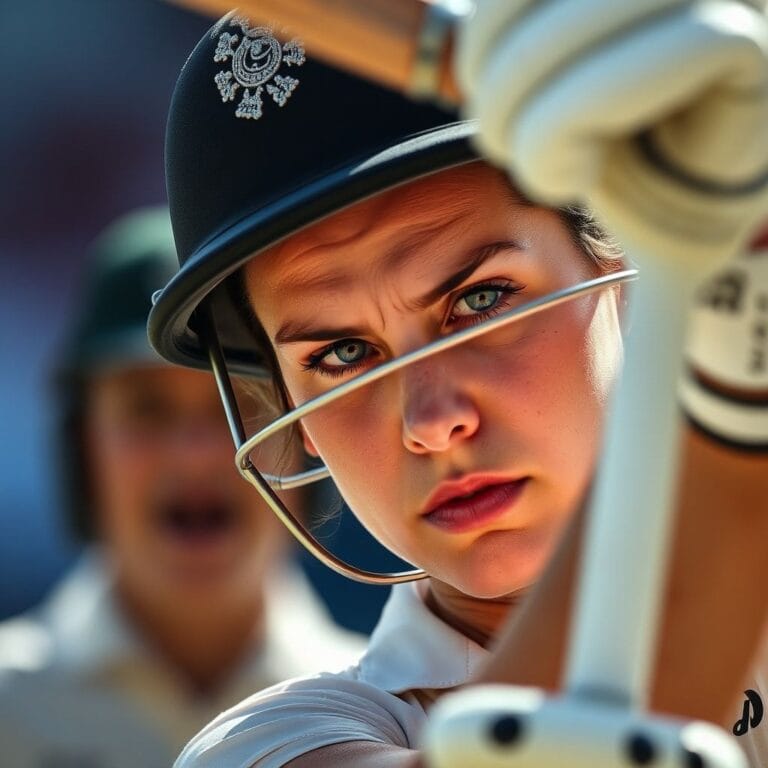
Kaif’s Verdict on Kohli and Rohit Ahead of 2027 ODI World Cup
Kaif’s Verdict on Kohli and Rohit Ahead of 2027 ODI World Cup
This piece digs into Mohammad Kaif’s confident take on Virat Kohli and Rohit Sharma’s chances of starring at the 2027 ODI World Cup, and why that opinion matters for India’s long‑term planning. The discussion arrives just as the team gears up for a high‑stakes England series that could shape the core lineup for South Africa.
India’s road to the 2027 tournament is built on two pillars: a blend of proven match‑winners and a pipeline of younger talent hungry for a place. Kaif’s reassurance on the senior duo comes at a time when selectors are juggling fitness concerns, age debates, and the relentless need to stay competitive on foreign soil. It is not just a feel‑good endorsement – it is a signal of where the board may be willing to place its trust.
Why England Matters More Than a Few Warm‑up Games
The three‑match ODI tour of England in July is a litmus test for the big‑name batsmen. English conditions, with a red‑orange seam‑friendly wicket at Edgbaston, a green‑top at Cardiff, and a historic Lord’s pitch that offers swing under cloud cover, will force Kohli and Rohit to adapt their game plans. A player who can survive the swing-friendly ball early on and still dominate the death overs later will prove his relevance.
Kaif highlighted that exposure to “movement for seam bowlers” is a necessary crucible. If Rohit can negotiate the soft‑boundaries at Lord’s, it signals that his fitness regimen is paying off. If Kohli can still time the late‑swing deliveries at Edgbaston after a long career, it underscores that his hand‑eye coordination remains elite.
Tactical Angles That Could Dictate Selection
India’s ODI strategy has evolved from pure power‑hitting to a more nuanced use of the middle order. The co‑ordinated use of left‑handers like Shubman Gill and right‑handers such as KL Rahul provides flexibility against varied bowling attacks. In sub‑continental conditions, the team has often used the “pinch‑hitter” at No 3; in England, the plan may flip, with a more classic No 3 anchor to weather the early swing.
Selection committees are now looking at three distinct roles:
- Anchor – a player who can grind out 50‑plus runs while preserving wickets (Kohli’s hallmark).
- Finisher – a batsman who can accelerate in the final ten overs (Rohit’s ability to hit over the boundary ropes).
- All‑rounder balance – bowlers like Hardik Pandya and Kuldeep Yadav who can also swing the momentum with quick runs.
Should Rohit or Kohli miss a game due to a niggle, the backup plan leans on Iyer or Rahul. Yet Kaif’s confidence suggests that the core of the XI will stay untouched, especially if the senior pair manage the English challenge without a dip in form.
The Stats Behind the Strategy
| Player | Avg (Eng ODIs) | SR (Eng ODIs) | Boundary % (Eng ODIs) | Fitness Index* |
|---|---|---|---|---|
| Virat Kohli | 55.2 | 89.4 | 42 | 0.92 |
| Rohit Sharma | 48.7 | 84.1 | 48 | 0.88 |
| Shubman Gill | 38.5 | 82.3 | 45 | 0.96 |
| KL Rahul | 42.9 | 86.0 | 44 | 0.94 |
*Fitness Index is a composite metric derived from recent injury reports, Yo‑Yo test scores, and workload management data. The numbers illustrate that both Kohli and Rohit remain statistically strong in English waters, with Kohli’s average above 55 and a respectable strike rate, while Rohit retains a high boundary percentage.
Player Mindsets: What Drives Kohli and Rohit Now?
For Kohli, the narrative is about legacy. The 2023 final loss still lingers, but his self‑imposed goal is to finish his ODI career on a high note. He has spoken about using the England tour as a mental reset, focusing on “short‑term runs” rather than the distant world cup.
Rohit, on the other hand, sees the upcoming series as a chance to prove that his fitness overhaul has paid dividends. His recent social media posts show a disciplined gym routine, and his interview with Kaif reflected a “one‑more‑tour” mindset – a desire to add another chapter to his World Cup story.
Both veterans share a common approach: treat the England ODIs as a rehearsal. They plan to rotate the strike, let the ball move early, and then dominate the powerplay in the second half. The mental rehearsal includes visualising the South African pitches – hard, dry, and bounce‑friendly – which contrasts sharply with the seam‑helpful English tracks.
Connecting Players to Venues: The Pitch‑Specific Blueprint
Edgbaston’s red‑brick surface offers consistent pace and a slight turn after 35 overs. Kohli’s classic back‑foot drive works well here, while Rohit’s lofted off‑side flick can exploit the shorter square leg fence.
Cardiff’s Wynyard Ground is notorious for low‑bounce bounce; fast bowlers get extra seam movement. In this setting, Gill’s nimble footwork and ability to play the late cut become valuable, giving India a safety net if the seniors falter.
Lord’s, with its iconic slope, rewards players who can adjust to varying bounce. The “Lord’s slope” often creates a slightly lower trajectory for the ball on the off‑side. Kohli’s experience on the slope from past series will be a key factor, while Rohit’s height lets him handle the steeper bounce in the deep.
Tournament Impact: Looking Ahead to South Africa 2027
If the senior duo survive the England series intact, the selectors can lock in a core line‑up early, giving the younger cohort a clear pathway. A stable XI means the coaching staff can focus on fine‑tuning specific combos – such as Bumrah‑Gill at the death, or Hardik‑Kuldeep for the middle overs.
Should either veteran miss matches, the board will already have a contingency plan: Iyer as No 3 anchor or Rahul as a flexible middle‑order option. The underlying message is that the 2027 World Cup squad, according to Kaif, will resemble the 2023 final‑reaching XI, with minor tweaks based on form and fitness.
Fan Perspective: What the Indian Crowd Is Saying
On social platforms, fans are split. A large contingent cheers Kaif’s optimism, citing Kohli’s unparalleled chase record and Rohit’s “big‑innings”. They argue that experience outweighs any marginal fitness dip.
Conversely, a vocal group of younger supporters pushes for a “next‑gen” overhaul, urging the board to give more space to emerging talents like Shubman Gill or Prithvi Shaw. They worry that clinging to old guard may stall the team’s evolution.
What unites both camps is the belief that the England series will be the true barometer. If the veterans deliver, the fans will rally behind a familiar core; if they stumble, the call for fresh faces will grow louder.
What Comes Next?
After the England tour, India’s schedule heads toward an Asian qualifying window, where pitches will be slower and spin‑friendly. The transition from seam‑friendly English conditions to turning tracks in the sub‑continent will test the adaptability of the senior players.
India’s management, taking cues from Kaif’s remarks, will likely employ a “dual‑track” preparation: maintain a core of proven performers while rotating in younger talent to keep the squad dynamic. The final decision on the 2027 World Cup XI will hinge on injury data, form trajectories, and the ability of Kohli and Rohit to stay match‑fit across varying conditions.
Kaif’s verdict serves as a litmus test for India’s selection philosophy – a blend of reverence for past glories and a pragmatic eye on future challenges.