India’s T20I Clash with Ireland: A Stage for Young Talent
India’s T20I Clash with Ireland: A Stage for Young Talent
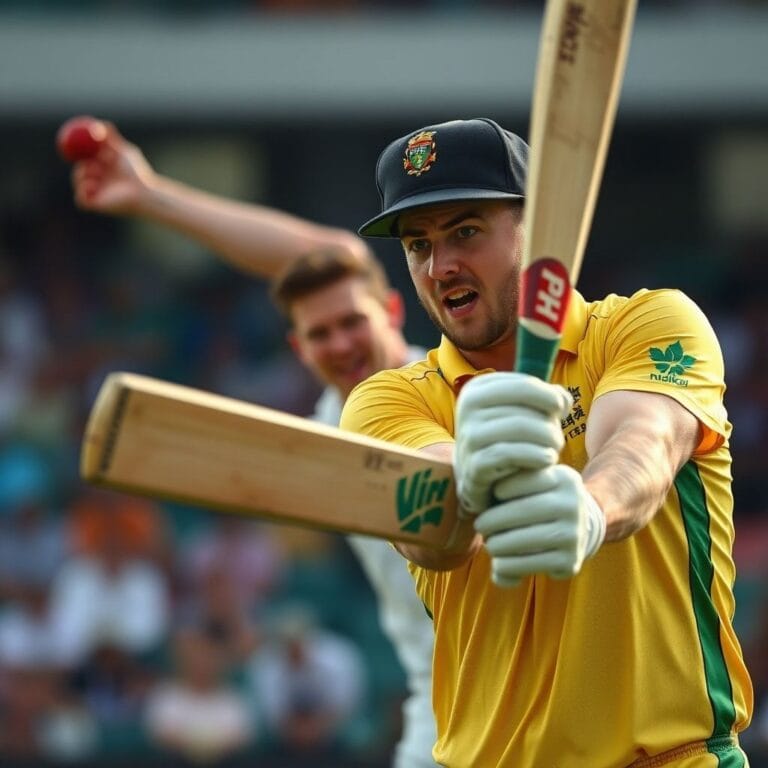
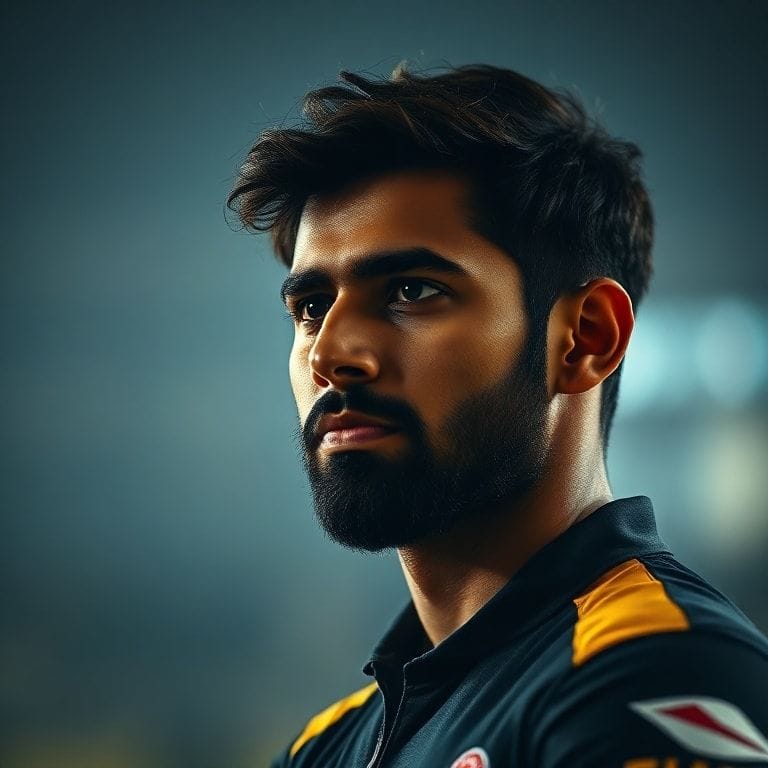
The upcoming two‑match T20I series between India and Ireland in Belfast has taken on a fresh layer of excitement with the inclusion of 15‑year‑old Vaibhav Suryavanshi in the Indian squad. His meteoric IPL season and rapid rise to senior honours promise to draw even larger crowds and give Irish players a unique challenge.
Why the Irish summer feels different this year
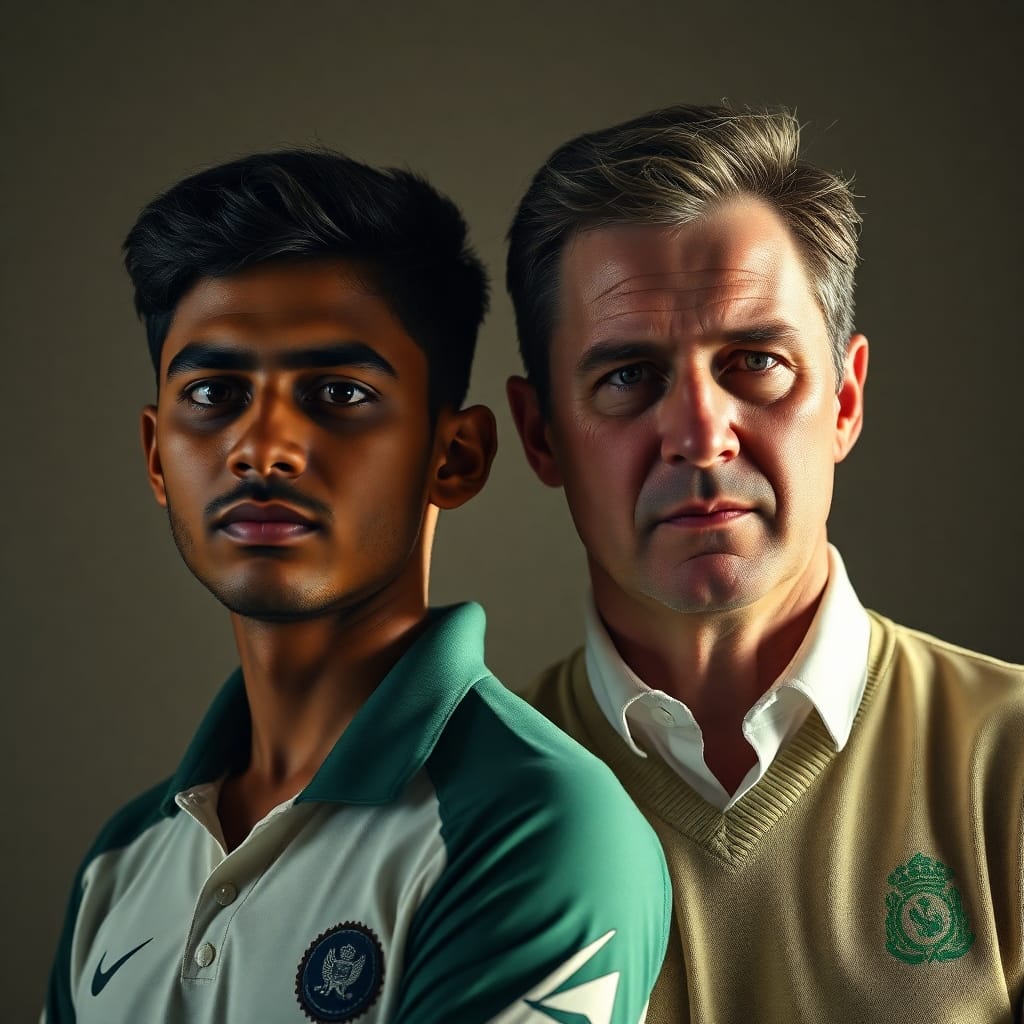
India’s visit to the Civil Service Cricket Club comes at a time when Irish cricket is trying to cement its place on the global calendar. The series is more than a warm‑up for the England tour; it is an opportunity for Ireland to test its mettle against a world‑champion side that still carries the aura of a unbeaten T20 World Cup run. For fans, the chance to watch a teenage prodigy like Vaibhav alongside veterans such as Ishan Kishan feels like a rare cultural crossover.
Tactical angles for both sides
From a strategic standpoint, Ireland’s coaching staff has a clear blueprint: use the short‑run, low‑bounce Belfast pitch to force India into a slower scoring rate early on. The venue traditionally produces a modest total of 150‑160 runs in ten overs. Ireland’s bowlers will look to exploit the seam movement that comes with the evening damp, targeting the edges of the bat with disciplined line.
India, on the other hand, will likely adapt by deploying a deeper batting order – pushing their power‑hitting middle‑order down the line and letting the openers, including Vaibhav, set an aggressive tone. The plan appears to hinge on using the left‑handed opener to disrupt the bowlers’ rhythm, especially given his knack for finding the short fine leg boundary on the slower sections of the ground.
Player roles and mind‑set
Vaibhav Suryavanshi arrives with the confidence of a player who smashed 776 runs in 16 IPL matches at a strike‑rate north of 237. He will be expected to open with composure, but also to take on the role of a pressure‑cooker, rotating the strike and forcing bowlers into a defensive mindset. His left‑handed stance is especially valuable on a pitch where the angle of the ball can be manipulated by the seamers.
For Ireland, the primary task falls to their seasoned quick, Craig Young, whose ability to bowl a tight line at the back of a length makes him a natural counter to aggressive opening batsmen. The Irish middle‑order will need to stay patient, looking to finish the innings strongly if early wickets fall.
The Stats Behind the Strategy
| Metric | India (T20I, 2024‑25) | Ireland (T20I, 2024‑25) | Belfast Venue Avg |
|---|---|---|---|
| Average Opening Partnership | 54 runs | 38 runs | 45 runs |
| Strike Rate of Top 3 Batsmen | 148 | 132 | 140 |
| Economy Rate of Lead Pacers | 7.4 | 6.9 | 7.1 |
| Runs Scored by Vaibhav (IPL) | 776 (16 innings) | N/A | — |
The table highlights why India’s opening pair, with Vaibhav’s explosive numbers, is slightly above the Belfast average. Conversely, Ireland’s pacers sit marginally better than the venue’s economy baseline, suggesting they can keep the scoring in check if they execute their line.
Linking players to the Belfast pitch
The Belfast ground is famed for its low‑bounce, green‑turf strips that favour seamers and those comfortable with the short of the wicket. Vaibhav’s ability to loft the ball over mid‑wicket on slow sections will force Irish bowlers to adjust lengths, while Ireland’s seamers, accustomed to the northern Irish weather, will look to swing the ball early, exploiting any moisture.
What this series means for the tournament picture
While the series itself does not feed into a larger tournament, the performances will shape selection narratives for the upcoming England tour. A standout showing from Vaibhav could fast‑track him into the squad for the five‑match T20I series against England, while Ireland will gauge how their core group handles the pressure of facing a world‑champion side.
Fan perspective and grounded opinions
Ticket sales in Belfast have already broken early‑sale records, and the announcement of Vaibhav’s call‑up added a fresh surge. Local supporters see the series as a chance to witness a historic moment – a teenage Indian prodigy playing on Irish soil. Social media buzz reflects a mixture of excitement and realistic optimism: fans anticipate fireworks but also recognize the challenge of containing a player who can turn a game in a handful of overs.
For Indian fans, the series offers a glimpse of the next generation, a narrative that usually unfolds in the IPL but now moves onto the international stage. The dual excitement of seeing a rising star and supporting a seasoned champion side creates a unique atmosphere that both nations will remember.
In summary, the India‑Ireland T20I clash in Belfast is set to become more than a warm‑up. It is a cultural exchange, a tactical laboratory, and a stage for a teenage phenom to test his mettle against seasoned internationals. The outcome will resonate beyond the run‑chase, influencing selections, fan engagement, and the growth of Irish cricket on the world map.