India’s T20 Selection Dilemma: Belfast Defeat Sparks Debate Over Young Talent
India’s T20 Selection Dilemma: Belfast Defeat Sparks Debate Over Young Talent
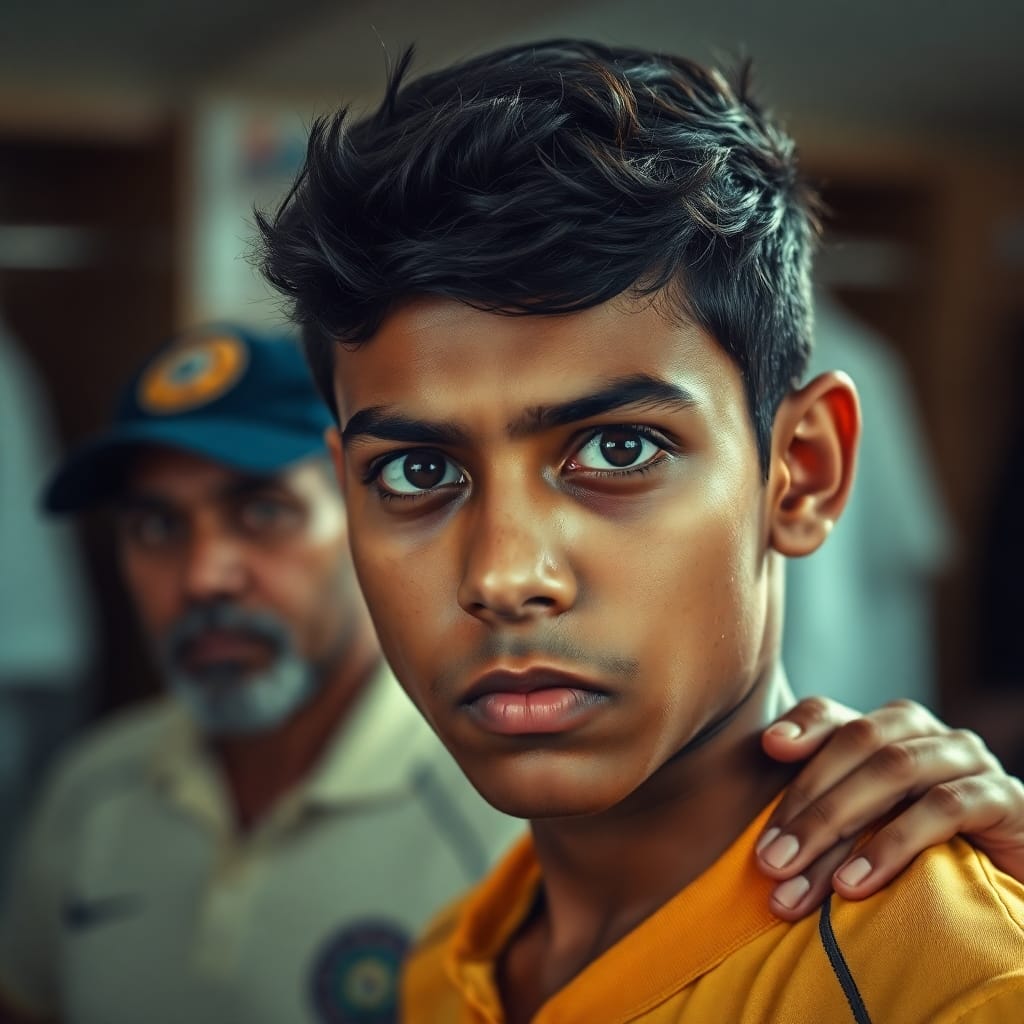
The second T20 clash between Ireland and India in Belfast ended in a nail‑biting one‑run defeat for the Men in Blue, sparking talk about the team’s selection choices. Chief among the debates is why 15‑year‑old batting prodigy Vaibhav Suryavanshi was left out of the playing XI, a decision that may shape India’s upcoming England tour.
The Stats Behind the Strategy
| Player | Runs (IPL 2026) | Strike Rate | Matches |
|---|---|---|---|
| Vaibhav Suryavanshi | 776 | 235.4 | 13 |
| Sanju Samson | 412 | 141.8 | 12 |
| Tilak Varma | 237 | 128.9 | 9 |
The numbers tell a simple story: Suryavanshi’s run tally dwarfs even the seasoned Samson, while his strike rate hovers near 240, a figure that would make any T20 captain smile. Yet the management opted to keep the youngster on the bench, preferring continuity with players who have already tasted World Cup glory.
Match context and what went wrong
Playing at the historic Stormont Ground, Ireland won the toss and elected to bat, posting 154/8. The surface, a mix of dry red soil and a slight morning damp, offered a modest bounce and a hint of turn for the spinners. Harry Tector’s quick‑fire 53 anchored the innings, while Ben Calitz’s 37 accelerated the final overs. For India, debutant fast bowler Prince Yadav stole the spotlight with 3/22, but that brilliance was eclipsed by an opening collapse.
Sanju Samson and Abhishek Sharma fell for golden ducks inside the first five overs, leaving India wobbling at 35/4. The early wicket loss forced the middle order into a defensive mindset. Shreyas Iyer and Ishan Kishan could not rebuild, and the required run‑rate kept ticking up.
Tilak Varma’s gritty 55 off 46 provided the lone resistance, but without partnerships the chase stalled. A late surge from Harshit Rana added 21 runs in a single over, yet it wasn’t enough. The final ball saw Ireland clinch the win by a single run, sealing a historic 2‑0 whitewash.
Tactical analysis and team decisions
India’s decision to stick with a familiar core was driven by the belief that confidence builds through consistency. Coach Ryan ten Doeschate and batting coach Sitanshu Kotak both emphasized the need to give established players a longer run, especially after the World Cup triumph three months earlier. In their view, throwing a teenager into a pressure‑filled chase against a confident Irish side could disrupt the team’s rhythm.
From a tactical angle, the team’s early bowling plan targeted the Irish top order with a mix of seam and swing, leveraging Prince Yadav’s ability to swing the new ball. The strategy worked, but the batting plan faltered. With the scoreboard ticking, the captain’s field placements became overly defensive, inviting Ireland’s bowlers to attack the edges.
Had Suryavanshi been given a spot at number three or four, his explosive style might have forced Ireland to adjust their bowling lengths earlier, possibly creating more scoring opportunities for the middle order. His ability to clear the in‑field with lofted cuts could have turned the chase’s momentum.
Player roles, mindset, and venue linkage
Sanju Samson, who grew up playing on Mumbai’s fast, hard pitches, brings a composed approach that suits big‑stage pressure. His role as a senior half‑back is to anchor the innings, but in Belfast the damp and low‑bounce conditions forced him to adapt his footwork, something he struggled with on the day.
Tilak Varma, a product of Delhi’s slower tracks, thrives on quick singles and aggressive lofting. The Stormont surface, offering just enough pace, allowed him to play his natural game, reflected in his 55‑run cameo.
Vaibhav Suryavanshi, on the other hand, cut his teeth on the short, hard wickets of Chennai’s Chepauk. Those conditions sharpen a batsman’s ability to hit through the line, a skill that translates well to the slightly drier Belfast pitch where the ball comes onto the bat with a predictable bounce.
Tournament impact and the road ahead
The loss in Belfast sits uncomfortably for a side that entered the series fresh from a World Cup victory. It raises questions about squad depth and the balance between rewarding veterans and introducing fresh talent.
India now heads to England for a three‑match T20 series starting July 1 in Chester‑le‑Street. The English grounds, known for their seam movement and occasional low‑bouncing decks, will test the adaptability of the Indian batting line‑up. If the coaches decide to hand Suryavanshi his debut, it would make him the youngest Indian international, surpassing Sachin Tendulkar’s record.
A debut in English conditions could be a double‑edged sword. The swing‑friendly atmosphere would challenge his technique, but success there would cement his place as a long‑term option. Conversely, a poor outing could reignite criticism and reinforce the argument for a slower integration.
Fan perspective and grounded opinions
Supporters across social media expressed a mix of disappointment and patience. Many fans applauded the coaching staff for protecting a teenage talent from a high‑pressure chase, while others felt the decision was an excuse for a lackluster performance. A recurring theme was the desire to see fresh faces, especially after a series loss that exposed the team’s reliance on a handful of senior players.
On the ground in Belfast, the Irish crowd celebrated a historic achievement, chanting long after the final wicket fell. For Indian fans, the sting of a one‑run loss was amplified by the sense that a different batting option might have altered the outcome. The debate is likely to continue until the next squad announcement.
What comes next?
India’s core group will regroup, analyze the data, and decide whether the next series warrants a bold change. The coaching trio has hinted that the England tour will be a platform for experimentation, suggesting that Suryavanshi could see action either in the first or second match.
Regardless of the decision, the Belfast defeat even world champions need to evolve. The blend of seasoned campaigners and emerging talent will define how India navigates the next few months, and fans will be watching every selection call with keen interest.