India A vs Sri Lanka A: Tactical Decisions and Young Emotions Steal the Show in Dambulla Thriller
India A vs Sri Lanka A: Tactical Decisions and Young Emotions Steal the Show in Dambulla Thriller
The India A versus Sri Lanka A encounter at Dambulla ended in a dramatic tie, followed by a Super Over that shifted momentum in an instant. While young Vaibhav Suryavanshi’s emotional outburst post-match made headlines, the true narrative lies in the strategic choices and statistical insights that shaped the contest. This match had significant implications for the tri-series standings and player development.
Match Context and Rising Stakes
Both teams approached the game with urgency. India A, coming off a loss to Afghanistan A, needed a win to stay in contention for the final. Sri Lanka A, playing at home on a pitch known for early seam movement, looked to solidify their position at the top. The surface, a mix of red soil and subtle moisture, offered assistance to pacers early on but transitioned into a batting-friendly track as the innings wore on.
India A’s innings stuttered at 129 for five after 25 overs. Suyansh Shedge and Vipraj Nigam stitched together a crucial 136-run partnership for the eighth wicket. Their composed batting, marked by sharp running and calculated aggression, pushed the total to 265 in the allotted 50 overs.
Key Tactical Decisions
India A captain Tilak Varma’s field placements were tailored to the venue. Early on, he stationed extra slips and a short-leg fielder to capitalize on the seam movement. As the innings progressed, he rotated his bowlers smartly and adjusted the field to limit boundaries in the slog overs.
Arshad Khan’s delivery in the final over of the innings, called a no-ball for height, proved costly. The extra run and the free hit opportunity shifted the balance. On the other side, Sri Lanka A’s spinners were introduced at the right junctures, targeting the middle overs to stifle the scoring rate.
Sadeera Samarawickrama anchored the chase with a composed 93. His mix of sweeps and pulls against Indian spinners showed his adaptability and familiarity with the Dambulla conditions.
The Stats Behind the Strategy
| Metric | India A | Sri Lanka A |
|---|---|---|
| First 15 overs run rate | 4.8 | 5.2 |
| Extras conceded | 12 (4 wides, 8 no‑balls) | 9 (3 wides, 6 no‑balls) |
| Partnerships >50 runs | 2 (104*, 62*) | 3 (93, 57, 52*) |
| Wickets taken by spinners | 3 | 4 |
| Super Over runs (batting) | 9 | 16 |
The data underscores a tightly contested game. India A’s disciplined start kept the target manageable, but the no-ball in the final over tilted the scales. Sri Lanka A’s three substantial partnerships demonstrated their ability to accelerate when needed.
Player Mindset and the Post‑Match Spark
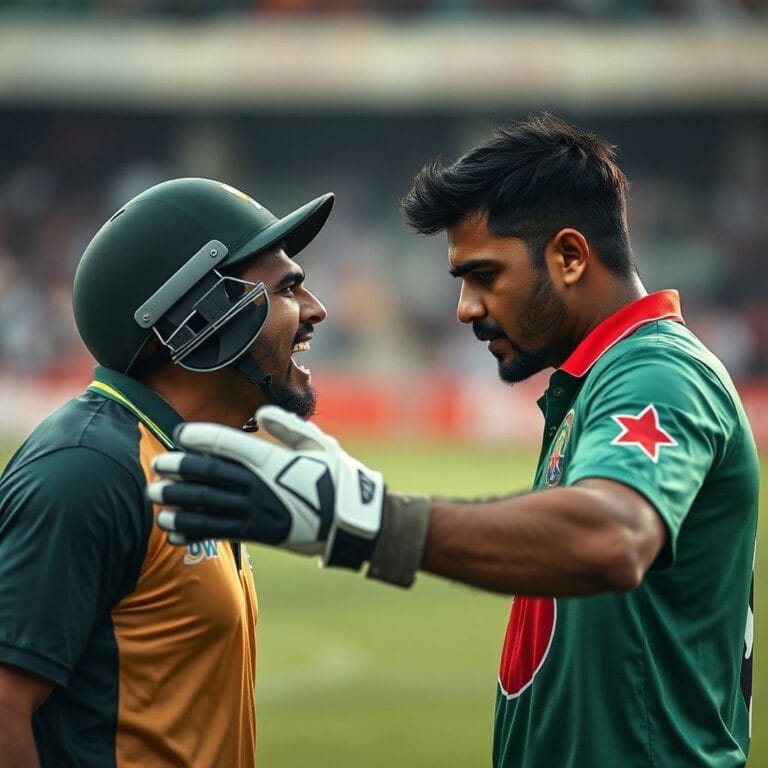
Fifteen-year-old Vaibhav Suryavanshi entered the Super Over as a substitute batter. His visible frustration after the loss, including a brief verbal exchange with a Sri Lankan player, sparked debate. While some praised his passion, others called for greater composure. The moment highlighted the emotional stakes for emerging talents under pressure.
For Sri Lanka A, the win was a morale booster. Their disciplined bowling and batting execution, especially under lights, showcased their growing maturity and understanding of home conditions.
Impact on the Tri‑Series and What Lies Ahead
The result elevated Sri Lanka A to the top of the points table. India A remain in contention, thanks to a superior net run rate, but must regroup quickly for their next match against Afghanistan A. The performance of lower-order contributors like Shedge and Nigam may shape India’s tactical blueprint moving forward.
Fans have rallied behind Suryavanshi, viewing his intensity as a sign of future leadership. The incident also sparked conversations about managing young talent and emotional resilience in high-stakes cricket.
Fan Perspective
Social media lit up with reactions to the match’s key moments. From the no-ball controversy to the Super Over drama, fans dissected every call. The modest Dambulla crowd added to the atmosphere, reinforcing the notion that even a tri-series game can carry the weight of a final.
All in all, the contest at Dambulla was a compelling blend of strategy, skill, and spirit. As the series progresses, teams will carry forward lessons in field placements, spin management, and emotional control—factors that often decide tight contests.