GT vs CSK: Tactical Shifts and the Sai Kishore Omission
GT vs CSK: Tactical Shifts and the Sai Kishore Omission
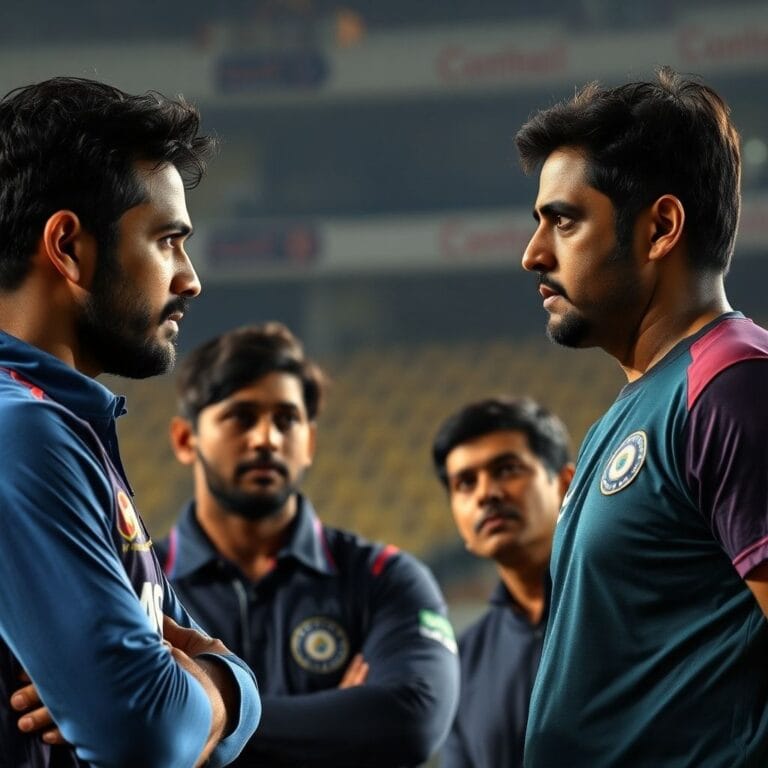
Gujarat Titans faced Chennai Super Kings at the Narendra Modi Stadium in a must‑win encounter that could shape the final playoff picture. The headline‑grabbing decision to leave left‑arm spinner Sai Kishore out of the XI sparked debate, and the knock‑on effects of that call rippled through both teams’ game plans.
The Stats Behind the Strategy
| Metric | Gujarat Titans | Chennai Super Kings |
|---|---|---|
| Average first‑innings run rate (last 5 games at Ahmedabad) | 8.3 | 7.6 |
| Wickets taken by seamers on hard‑track pitches | 3.2 per match | 2.8 per match |
| Spin economy on low‑dew surfaces | 7.9 | 8.4 |
| Runs conceded by Sai Kishore in 2026 season | 24.6 (10 overs) | — |
The numbers tell a clear story: Ahmedabad’s hard‑baked decks reward pace and generate a modest bounce that favours seamers, while spin struggles to keep the economy low. Gujarat’s recent surge in seam‑strike rate convinced the coaching staff to load the attack with Prasidh Krishna, who can extract the extra zip the pitch promised.
Match context and the toss decision
Winning the toss, CSK captain Ruturaj Gaikwad elected to bowl first, a move that surprised many pundits who still cling to the old belief that batting first avoids the infamous night‑time dew. The reason lay in the early‑morning moisture that lingered on the surface, giving the ball a brisker seam on the first ten overs. Gujarat’s skipper Shubman Gill read that cue and matched it with a lineup heavy on swing and cutters.
Tactical reshuffle: from spin to seam
Gill’s statement after the toss was simple – “We need aggression in the bowling department.” By recalling Prasidh Krishna and sidelining Sai Kishore, the Titans turned the balance from a spin‑friendly XI to a seam‑dominant one. The decision also dovetailed with a fielding upgrade: faster bowlers mean quicker reflexes in the outfield, something Gujarat felt they lacked after a few dropped catches against Mumbai last weekend.
Player roles and mindsets
Prasidh Krishna entered the match with a clear mission: hit the deck hard, keep the run‑rate under control, and generate early breakthroughs. His recent spell against Rajasthan (2/22 in 4 overs on a similar surface) gave him confidence, and his ability to swing the new ball aligns with the pitch’s extra grip.
On the flip side, Sai Kishore finds himself back on the bench, but his role may evolve into a specialist for the softer, turning tracks in Kolkata and Chennai later in the tournament. His left‑arm orthodox spin still offers a valuable variation, especially against teams that like to dominate the middle overs with power‑hitting.
For CSK, the early bowling attack revolves around the tall left‑arm pacer Mukesh Choudhary, whose height helps extract bounce on the hard deck. Ruturaj’s decision to bowl first also banks on his own batting trio – Samson, Gaikwad, and Dewald Brevis – to chase a manageable target under lights.
Venue‑specific considerations
Ahmedabad’s red‑soil outfield slows the ball after it lands, a factor that benefits bowlers who can keep the ball low. The pitch’s composition also means it retains stiffness longer than the looser tracks in Chennai, making it a haven for seamers who can vary length.
Gujarat’s homegrown fast bowler Jason Holder, who grew up bowling on similar hard surfaces, can exploit the seam. Meanwhile, CSK’s spinner Noor Ahmad will likely stay on the sidelines until the second innings, when the surface begins to wear and turn.
Impact on the tournament picture
With a playoff spot already in the bag, Gujarat’s primary goal is to finish in the top two, securing a home final. A win against CSK would cement that ambition, while a loss could see them slip to third or fourth, forcing a do‑or‑die semi‑final away from home.
CSK, on the other hand, sits precariously at the edge of the qualification line. A victory would revive their hopes and put pressure on rivals Rajasthan and Delhi, who are also fighting for the last two spots.
What comes next?
If Gujarat manages to bowl out CSK cheaply, the momentum will carry them into the next two fixtures against Royal Challengers Bangalore and Sunrisers Hyderabad, both of which feature deep batting line‑ups. The Titans will likely stick with the pace‑heavy formula, keeping Sai Kishore as a backup for the spin‑friendly venues that await in Kolkata and Chennai.
CSK, after a loss, might revert to a more balanced attack, bringing Sai Kishore or another spinner into the mix for the upcoming match at the Sawai Mansingh Stadium, where the slower surface favours turn. Their captain Ruturaj will have to juggle the need for wickets with the reality that their middle order is under pressure to produce runs quickly.
Fan perspective and grounded opinions
The stadium buzzed with mixed feelings. Titans supporters applauded the boldness of the change, citing the need for aggression in the final stretch. Some purists, lamented the loss of a skilled left‑arm orthodox spinner who had been a key figure in the early phase of the season.
CSK fans, while hopeful of a win, expressed concern over the absence of their own spinner, Noor Ahmad, in the early overs. The consensus among the crowd was that the game would be decided by who could adapt quickest to the shifting conditions, not merely by the names on the team sheet.
the exclusion of Sai Kishore is less about personal form and more about a calculated response to a hard, fast pitch that rewards pace. The next few matches will tell whether Gujarat’s gamble pays off or if the spin department will be sorely missed when the tournament moves to slower, more turning tracks.