GT Silences CSK: The Night Gill’s Blue Light Outshone Yellow
GT Silences CSK: The Night Gill’s Blue Light Outshone Yellow
The Gujarat Titans dismantled the Chennai Super Kings at the Narendra Modi Stadium, turning a sea of yellow into a blue‑dominant celebration. The win not only sealed CSK’s exit from IPL 2026 but also gave captain Shubman Gill a platform for a cheeky post‑match jab that lit up social media.
The Stats Behind the Strategy
| Metric | Gujarat Titans | Chennai Super Kings |
|---|---|---|
| Total runs (20 overs) | 229/4 | 140 all out (13.4 overs) |
| Run rate | 11.45 | 10.45 |
| Top partnership | Sudharsan & Gill – 132 runs (10.2 overs) | None reached 50 |
| Wickets taken by Siraj | 3/26 (10 overs) | — |
| Economy of Rashid Khan | 3/18 (4 overs) | — |
| Super Over chances | 0 | 0 |
These numbers illustrate why GT’s game plan worked. The opening stand ate through the powerplay, leaving CSK with a target that felt like a marathon. Siraj’s early breakthroughs forced a collapse that never recovered.
Match Context and Tactical Choices
Both sides entered the match with playoff hopes hanging in the balance. GT, perched just outside the top four, knew a win would cement their place. CSK, the defending champions, needed a massive chase to stay alive. The toss went to GT, and captain Gill opted to bat first, a decision rooted in the pitch’s reputation.
Ahmedabad’s ‘blue‑top’ surfaces usually offer a true bounce in the first half, then settle into a slower, low‑drift later on. By heading for a big total, GT could exploit the early rhythm and then use the slowing phase to make the chase uncomfortable for CSK.
- Opening pair: Sai Sudharsan’s aggressive intent paired with Gill’s controlled power meant the first 10 overs never dipped below a run rate of 10.
- Middle order: Buttler, known for finishing on flat decks, was handed the role of a one‑day hammer, arriving at 129/2 and blasting the last 5 overs.
- Bowling plan: Siraj opened the spell, targeting the top order, while Rashid Khan was earmarked for the middle overs to choke any partnership growth. Rabada closed the innings, extracting extra bounce as the pitch softened.
Player Roles and Mindset
Gill’s captaincy has evolved beyond textbook tactics. He trusts his bowlers to attack early, evident in Siraj’s short, probing run‑up that produced a critical wicket on the second ball of the chase.
Sai Sudharsan, the league’s rising star, approached the innings with a fearless mindset, turning the traditional IPL caution into a high‑octane assault. His 84 off 53 balls set the tone and gave Gill the runway to play his natural cover drives.
Buttler, the England veteran, embraced the role of a power‑hitter without hesitation. His 57* off 27 balls pushed the target past 230, a psychological wall for any side chasing in a knockout setting.
On the defending side, Siraj’s aggression paid dividends. He limited the early overs to 38 runs, taking two wickets in the first 5. Rashid Khan’s variations bewildered Shiva Dube, who, despite a ferocious cameo, found himself stranded after the spinners tightened the leash. Ruturaj Gaikwad, the CSK skipper, tried to anchor but fell to Siraj’s disciplined line and length.
Impact on the Tournament and What Lies Ahead
GT’s victory vaulted them into the top four, guaranteeing a home semi‑final at the same venue—a real advantage with the crowd now firmly on their side. For CSK, the loss means an early exit, prompting speculation about the future of star players and the long‑term influence of captain‑coach Mahendra Singh Dhoni.
The result also reshapes the playoff landscape. With GT’s surge, the battle for the second and third spots intensifies, drawing attention to the remaining teams’ net run rates. The next round promises high‑stakes matches where the margin between a semi‑final berth and elimination will be razor‑thin.
Fans, Feelings, and the Social Media Ripple
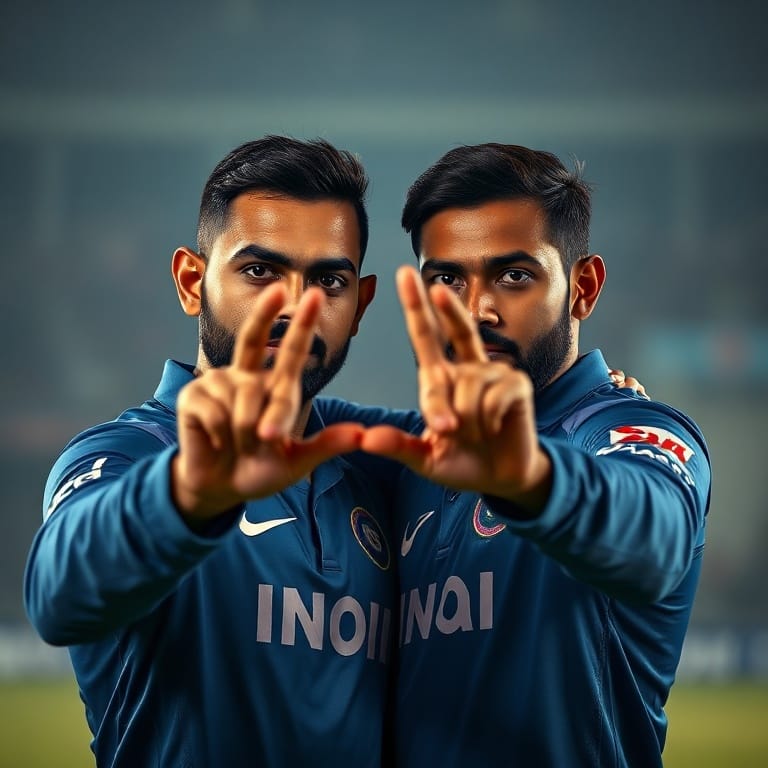
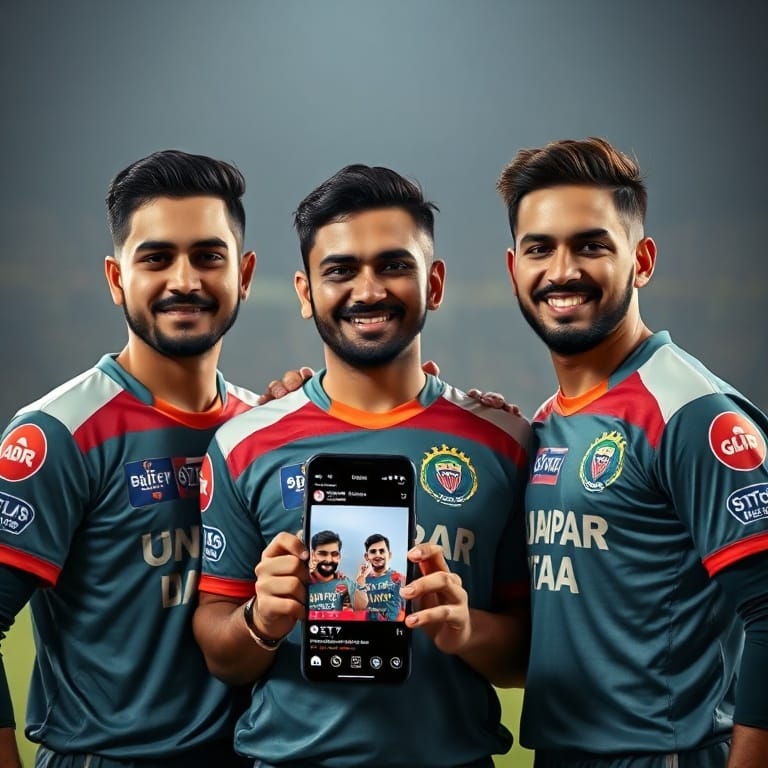
Ahmedabad’s roar turned into a muted hush as Gill posted the infamous “blue light after the yellow light” snapshot. The picture, showing Gill, Siraj and Buttler mimicking a silence gesture, sparked a flood of memes and debates across platforms. CSK loyalists felt the sting, describing the post as a “callout” that added fuel to the rivalry.
For GT supporters, the image became a badge of pride—a visual proof that they silenced the traditionally loud CSK contingent. Street vendors in Ahmedabad began selling T‑shirts with the “blue light” tagline, while CSK fans in Chennai responded with their own wave of hashtags celebrating their team’s resilience despite the loss.
In the broader cricket community, the incident underscores how modern players blend on‑field performance with off‑field brand building. Gill’s ability to back his on‑field dominance with a witty social media presence elevates his profile beyond the runs he scores.
Looking Forward
GT now faces a semi‑final against a side that survived the last round with a high net run rate. The challenge will be to replicate the aggressive opening stand while maintaining discipline in the death overs. For Gill, the next step is to manage the expectations that come with a growing reputation as both a cricketer and a character.
CSK, on the other hand, must regroup during the offseason, assessing whether a fresh batting approach or a shift in bowling combinations could restore their dominance. Their fans will be watching closely, hoping for a swift return to the final stages.
In the end, the Ahmedabad showdown reminded us why the IPL remains a theatre of drama, where tactics, talent, and temperament collide, and where a single Instagram post can echo louder than the stadium’s cheers.