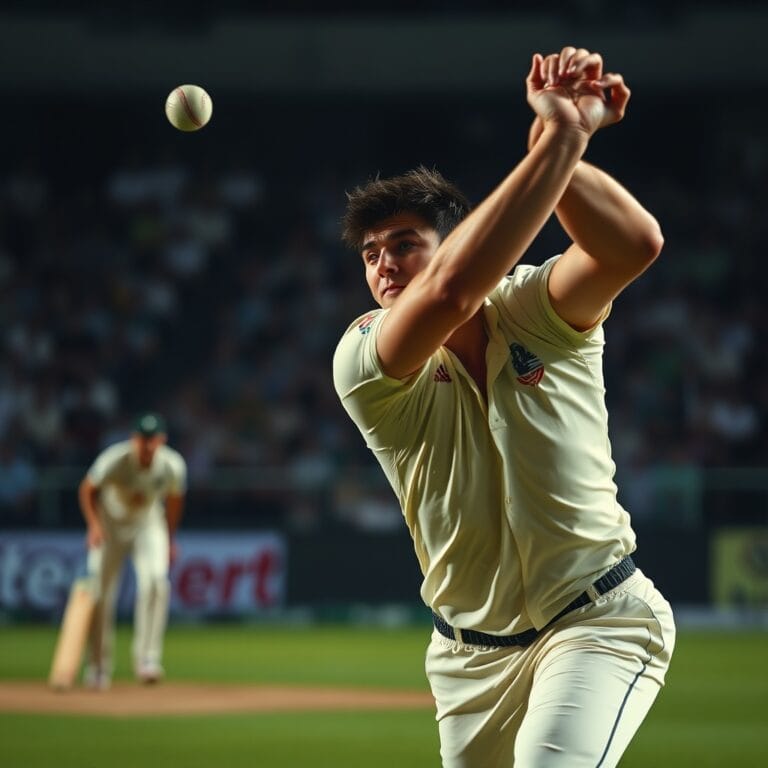
England hold a subtle edge over India in the upcoming T20I showdown
England hold a subtle edge over India in the upcoming T20I showdown
England are gearing up to host India for a five‑match T20I series that could shape the road to the next World Cup. The encounter matters because both sides are using the tie‑break to fine‑tune their squads after recent highs and lows.
The Stats Behind the Strategy
| Metric | England (last 10 T20Is) | India (last 10 T20Is) |
|---|---|---|
| Batting average (top 5) | 38.2 | 34.5 |
| Strike‑rate (top 5) | 139.7 | 132.1 |
| Economy rate (bowling) | 6.8 | 7.4 |
| Won matches after 0‑2 start | 4 | 1 |
The numbers show England’s top order converting starts into big scores more often, while their bowlers keep the run‑rate tighter. India’s dip after the Ireland loss is evident in the single win out of four attempts when they fell behind early.
Match context and what’s at stake
Chester‑le‑Street’s Riverside Ground opens the series, a venue that favours seam movement in the early overs and slows down a bit under lights. The English side arrived with confidence after a dominant home series, while India lands with a bruised aura from a 0‑2 defeat to Ireland. The series is bragging rights; it feeds directly into selections for the upcoming ICC events, where every head‑to‑head will be dissected by selectors.
Tactical analysis and team decisions
England’s game plan leans on a dual‑pronged attack. In the powerplay, the left‑handed opener Jason Roy is expected to rotate the strike, letting the quick‑bowlers Chris Jordan and Rehan Ahmed exploit the seam‑friendly conditions. The middle order – Jos Buttler, Dawid Malan and Ben Stokes – carries the bat through the middle overs, aiming for a 120‑130 target before the death.
India, missing Jasprit Bumrah and Hardik Pandya, faces a puzzle. The selectors have backed a three‑bowler pace unit (Akash Deep, Umran Malik, and Shivam Mavi) to shoulder the new‑ball role. Umran’s raw pace is hoped to compensate for Bumrah’s swing‑and‑seam control, while Mavi’s disciplined line aims to tighten the middle overs. In the death, Navdeep Saini and the spinner Yuzvendra Chahal will share duties, with Saini’s yorkers being the primary weapon.
- Batting order shift: Shreyas Iyer will likely open with Ruturaj Gaikwad to give the middle order a fresh start.
- All‑round option: Rahul Tripathi is earmarked for a sixth‑man role, adding a quick finish and a handy second spin.
Both captains have signalled flexibility. England’s captain may promote the hard‑hitting batsman Tom Banton to No 4 if early wickets tumble, while India’s Iyer has promised to let the youngsters take the hitting mantle if the top order stalls.
Player roles and mindset
For England, Ben Stokes remains the emotional anchor. His ability to swing momentum with both bat and ball is a constant variable that forces the opponent to plan for a worst‑case scenario. The younger guns – Banton and Jordan – bring an aggressive mindset, ready to unleash on a pitch that promises early bounce.
India’s side hinges on Shreyas Iyer’s calmness after the Ireland setback. He has spoken about using the series as a “wake‑up call,” indicating a mindset that blends patience with opportunism. Youngster Vaibhav Suryavanshi, though uncapped, has been training alongside the senior squad. The coaching staff hinted that a cameo at the powerplay could be his ticket, especially if the English bowlers struggle to find a rhythm.
The absence of Bumrah forces the other pacers to adopt a more aggressive line, taking calculated risks in the first six overs. Hardik’s all‑round presence is missed, meaning the lower order must finish games with base‑hit aggression rather than relying on a swing‑bowling finisher.
Venue‑specific links
Riverside Ground’s red‑clay outfield slows the ball after it lands, making lofted shots riskier. This favours players accustomed to a low‑bounce bounce, such as England’s seamers who can make the ball ‘dance’ off the surface. For India, spinner Yuzvendra Chahal may find extra turn on the worn patches near the sight‑screen, a factor that could be decisive in the fourth and fifth games when the pitch settles.
Tournament impact and what comes next
A series win for England would cement their position as the team to beat in T20 cricket ahead of the Champions Trophy. It would also boost the confidence of their fringe players, making a stronger case for inclusion in the World Cup squad.
For India, a 3‑2 comeback would erase the sting of the Ireland loss and restore faith in the bench strength. It would also send a message to the selection panel that the newer faces can shoulder responsibility without Bumrah and Pandya. A narrow defeat, on the other hand, could push the board to reconsider the balance between experience and youth for the upcoming global events.
Fan perspective and grounded opinions
Fans across both nations are buzzing on social media. English supporters are confident, citing the home advantage and the recent form of their bowlers. Indian followers, while disappointed, are rallying behind the idea of a “new chapter,” urging the team to play with freedom and not be shackled by the missing stars.
On the ground, ticket‑holders in Chester‑le‑Street expect a fireworks display. The stadium’s intimate setting means every boundary will be amplified, and every wicket will feel personal. The anticipation is palpable, and the chatter in the pubs reflects a belief that a tightly fought series will produce memorable moments, not just a clean sweep.