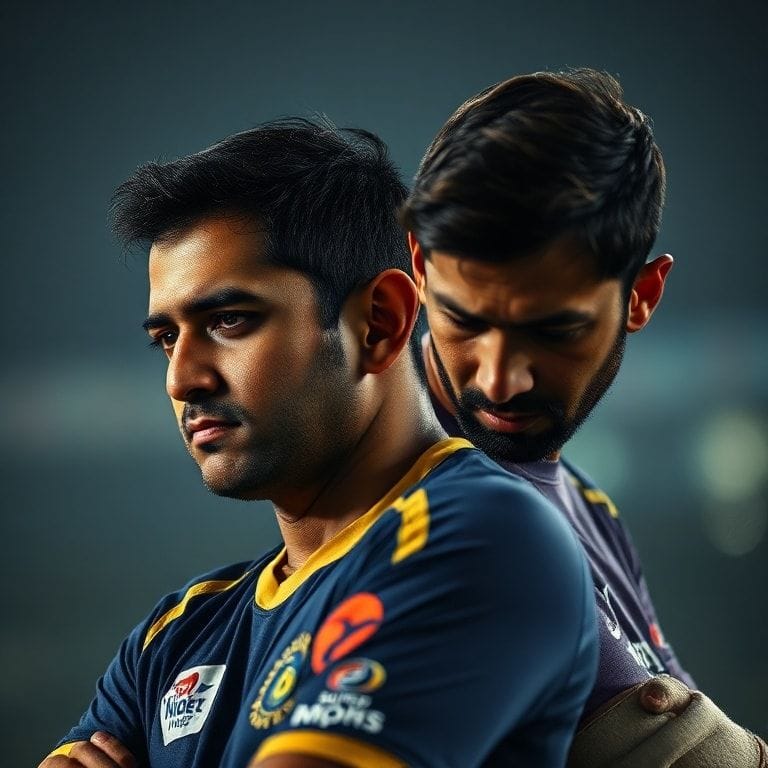
Delhi Capitals Stun RCB in Last Over Thriller at Chinnaswamy
Delhi Capitals Stun RCB in Last Over Thriller at Chinnaswamy
The Delhi Capitals edged out Royal Challengers Bengaluru in a nail‑biting chase at the M. Chinnaswamy Stadium, with David Miller’s last‑over fireworks turning a close finish into a win. The result reshapes the IPL 2026 table and underscores how a single over can redefine a season.
The Stats Behind the Strategy
| Team | Score | Key Bowlers (wickets) | Top Scorers (runs) |
|---|---|---|---|
| RCB | 175/8 (20 overs) | Axar Patel 2, Kuldeep Yadav 2, Lungi Ngidi 2 | Phil Salt 63 (38 balls), Tim David 26 (17 balls) |
| DC | 179/4 (19.5 overs) | Bhuvneshwar Kumar 3, Krunal Pandya 1 | KL Rahul 57 (34 balls), Tristan Stubbs 60 (47 balls), David Miller 22* (10 balls) |
Chinnaswamy’s short boundaries and a surface that favours wrist‑spinners made Axar Patel’s economy of 4.5 runs per over a decisive factor. Delhi’s decision to bowl a third specialist spinner in the powerplay limited RCB’s early momentum, forcing them into a chase beyond 170.
Tactical Moves and Team Decisions
RCB chose to open with Phil Salt, a clear signal that they wanted an aggressive start on the flat Bangalore track. Salt’s blitz gave them a solid platform, yet the middle order fell short. The Capitals responded by keeping two left‑arm orthodox spinners for the first ten overs, a move that squeezed the run‑rate during the crucial 11‑15 over window.
Delhi’s batting order reflected a modern, flexible approach. KL Rahul, usually a top‑order anchor, was promoted to number three to absorb early pressure after Pathum Nissanka’s wicket. His 57 allowed the chase to stay on course. Tristan Stubbs, sent in at five, played the role of a stabiliser, rotating the strike while the required run‑rate crept up.
When 15 runs were needed from the last over, captain Shreyas Iyer handed the ball to the most experienced finisher—David Miller. The decision paid off instantly; two massive sixes and a boundary erased the deficit with just one ball left.
Player Roles, Mindset, and Venue Nuances
Phil Salt’s quickfire 63 leveraged Chinnaswamy’s short square leg and deep mid‑wicket fences. His ability to hit over the in‑field, combined with a surface that offered little lateral movement, made him a perfect fit for the venue.
Axar Patel’s 2/18 was a textbook display of how a left‑arm orthodox spinner can exploit the low bounce on the Bangalore pitch. By landing the ball on a good length and using the flight, he forced RCB’s batsmen to gamble, leading to two catches inside the circle.
David Miller entered the arena with a clear mindset: treat the final over as a sprint, not a marathon. His 22* off just ten balls showed a blend of power‑hitting and calm composure, qualities that thrive on the high‑altitude, thin‑air conditions of Chinnaswamy where the ball travels faster.
Tournament Impact and What Comes Next
Delhi Capitals climb to fourth place, tightening the race for a playoff berth. The win also boosts their net run rate, a factor that could decide quarter‑final slots if teams finish on equal points.
Royal Challengers Bengaluru, now on the back foot, must reassess their middle‑order strategies. The loss exposed a reliance on big hits rather than building partnerships, a weakness that opponents will aim to exploit in the next fixtures.
Looking ahead, the Capitals face a clash with the Kolkata Knight Riders on a spin‑friendly track, offering them a chance to repeat the Axar‑centric plan that worked at Chinnaswamy. RCB, meanwhile, travel to Hyderabad, where the slower surface may suit their spin attack, but they need a more resilient batting lineup to chase 180‑plus scores.
Fans’ Take and Grounded Opinions
Social media lit up with clips of Miller’s sixes, fans sharing screenshots of the scoreboard flashing ‘179/4’. Many highlighted the irreplaceable value of a seasoned finisher in the T20 format, while others pointed out that Rahul’s and Stubbs’ contributions were the real backbone of the chase.
Local supporters praised the Capitals’ composure under pressure, noting that the side’s ability to restructure the batting order on the fly showcases a maturity that was missing in earlier phases of the tournament. Critics of RCB argued that the team’s failure to protect the early wicket of Nissanka cost them the momentum needed to post a defendable total.
the match reinforces a timeless truth in IPL cricket: a balanced blend of spin, pace, and a reliable death‑over specialist can tilt even the toughest contests.