Day One Drama: Williamson’s Catch and England’s Wicket Crisis
Day One Drama: Williamson’s Catch and England’s Wicket Crisis
Day one of the England‑New Zealand Test turned into a textbook lesson on how pressure, precision and a touch of drama can rewrite a match narrative. A single one‑handed catch from Kane Williamson not only sealed Ben Stokes’ wicket but also set the tone for a series that promises swings in both directions.
Match and News Context
England elected to bowl first under overcast skies, hoping the damp English seam‑friendly pitch would bite. New Zealand’s bowlers answered the call, skittling England to 34/4 within the first hour. The early collapse forced England into a chase for stability, with Harry Brook and Ben Stokes trying to stitch together a respectable total. By lunch, Brook had nudged the score past 50, but the partnership was abruptly halted when Williamson swooped for Stokes’ edge.
Tactical Analysis and Team Decisions
New Zealand’s captain, Tom Latham, chose to let the seamers strike first, a decision rooted in the pitch’s lush green surface that offered seam movement and swing. Kyle Jamieson’s length‑out pitch‑around‑the‑wicket delivery forced Stokes onto the back foot, turning a defensive stroke into a slip‑catch opportunity. On the other side, England’s opener choices reflected a desire to counteract swing with a mix of left‑handed and right‑handed aggression, but the early wickets showed the swing was too much to handle.
England’s middle order reacted by shifting the strike rotation: Brook took the lead, playing a 56‑run counter‑attack off 71 balls, while Stokes attempted to anchor the innings. When Stokes fell, the New Zealand fielding plan—tight slip cordon, aggressive close‑in fielders—paid dividends. At the other end, England’s bowler Ollie Robinson, returning after a long hiatus, unleashed a late‑day spell that reduced New Zealand to 61/6, proving that England’s pace attack could still swing the momentum.
Player Roles and Mindset
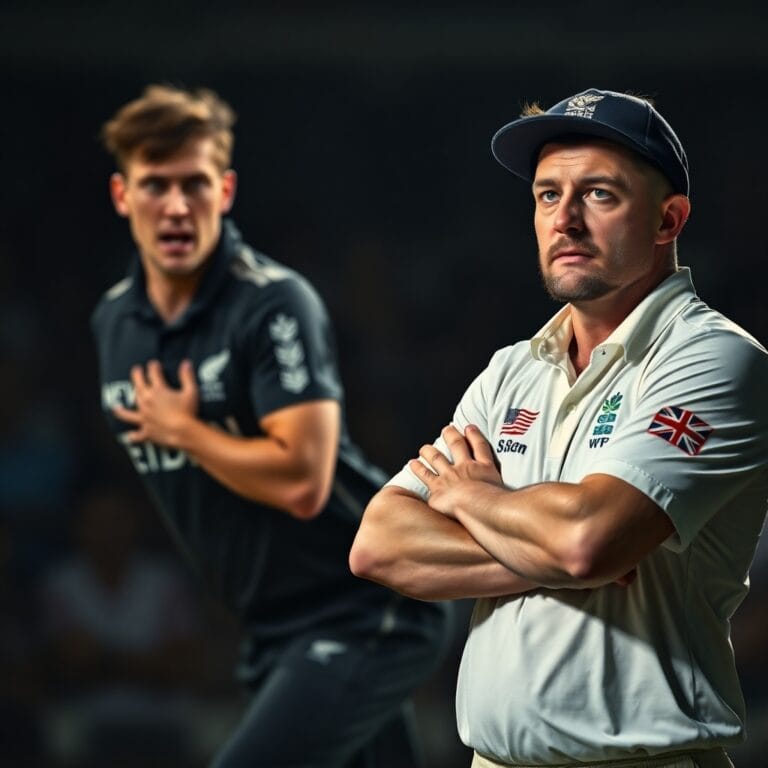
Kane Williamson, traditionally a batsman, showcased why his fielding drills at the New Zealand high‑performance centre matter. His instinct to read the edge, sprint across second slip, and extend a single hand underlines a mindset that values every chance, no matter how small. For Stokes, the dismissal was a reminder that even the world’s best can be vulnerable when the ball is angled sharply into the slip zone.
Harry Brook emerged as the day’s bright spark for England. His approach—taking the ball early, employing a high‑percentage back‑foot play—mirrored his club experience on the hard, fast wickets of Birmingham, where his footwork thrives. Conversely, Kyle Jamieson’s five‑wicket haul highlighted his ability to extract bounce on greener surfaces, a skill honed on the seam‑laced tracks of Napier.
The Stats Behind the Strategy
| Player | Overs | Runs | Wickets | Key Venue Insight |
|---|---|---|---|---|
| Kyle Jamieson | 22 | 62 | 5 | Green‑grass pitch at Lord’s suits his bounce‑seeking style |
| Ollie Robinson | 15 | 48 | 4 | Late‑day swing thrives on the evening moisture of Headingley |
| Harry Brook | — | 56 (71 balls) | – | Comfortable on the flat, hard‑batting tracks of Birmingham |
Venue‑Based Player Linking
The Lord’s square‑leg area, notorious for its low bounce, seemed tailor‑made for Jamieson’s tall, high‑release bowling. His length forced English batters onto the back foot, creating those crucial slip‑catches. Williamson’s reflexes, polished on the wet, grassy fields of Dunedin, translated perfectly to the damp conditions at Lord’s, where edges tend to stay low and linger in the slip cordon.
When England’s bowlers retreated to the night‑time conditions at Headingley, the evening moisture amplified swing. Robinson’s ability to swing the ball late proved invaluable, mirroring his previous success on the swinging decks of Old Trafford.
Tournament Impact and What Comes Next
New Zealand’s 79‑run lead after day one puts them in a commanding position, but the series remains a two‑match or three‑match affair, meaning England still has a chance to claw back. A strong comeback will require England to tighten their top‑order technique against swing and to capitalize on the home‑ground advantage in the second innings.
For New Zealand, maintaining the pressure will hinge on exploiting the same seam‑friendly conditions that gifted them early wickets. Rotating bowlers to keep the English batsmen guessing, while keeping fielders like Williamson alert, will be key.
Fan Perspective and Grounded Opinions
Supporters in the stands expressed a mixture of awe and frustration. The New Zealand crowd erupted at Williamson’s catch, hailing it as a “moment of pure class”. English fans, meanwhile, voiced disappointment at the early collapse but were quick to praise Brook’s innings, seeing him as a potential turning point.
Social media threads highlighted the tactical duel: many argued that England’s decision to bowl first was spot‑on given the conditions, yet the execution fell short. Others pointed out that the New Zealand slip cordon, led by Williamson, has become a fine‑tuned unit that can turn any half‑chance into a wicket.
Looking ahead, the next day will test England’s batting depth and New Zealand’s ability to keep up the pressure. If Brook can carry the momentum and the bowlers sustain their intensity, the series could swing dramatically. For now, the day belongs to that one‑handed catch—a visual reminder that cricket often decides its narrative in a split second.