Chennai Super Kings’ 2026 IPL Campaign: A Tactical Breakdown of a Disappointing Season
Chennai Super Kings’ 2026 IPL Campaign: A Tactical Breakdown of a Disappointing Season
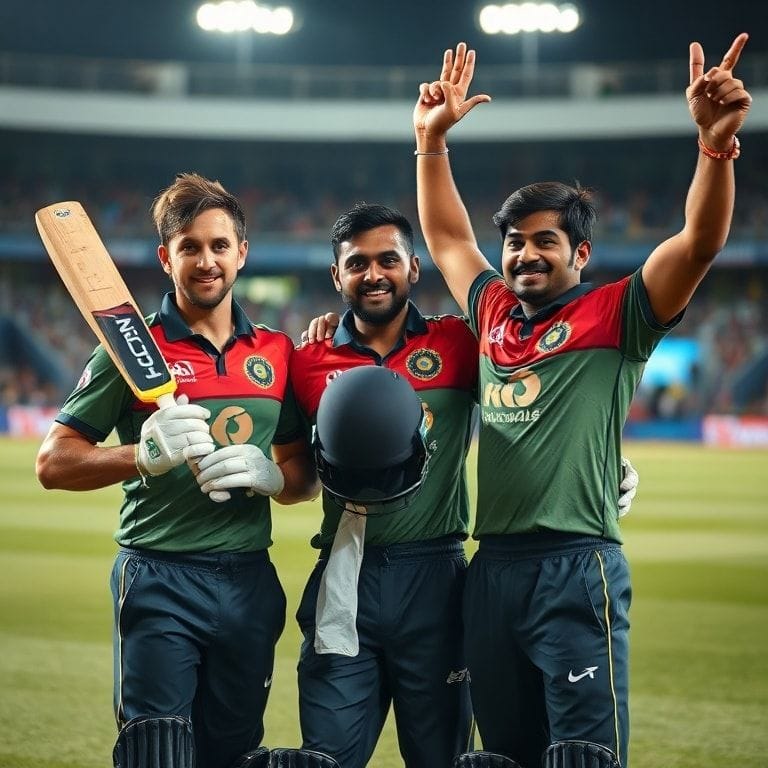
Chennai Super Kings’ 2026 IPL campaign ended in a way no fan expected. A blend of injuries, a captain out of rhythm and untested combinations turned a usually dominant side into a mid‑table struggler, and the fallout matters for the league’s balance.
What went wrong on the field?
From the outset CSK tried to stick to their tried‑and‑true formula: a solid top order, a deep spin bank and a finishing trio that could accelerate in the death overs. The reality was starkly different. The loss of MS Dhoni early in the season removed the calm backbone behind the stumps and the late‑order firepower he provides. Nathan Ellis, who had been the spearhead of the pace attack, never cracked a ball due to a shoulder issue. Young all‑rounder Ayush Mhatre missed the crucial middle stretch with a stress fracture, leaving a void both with the bat and the ball.
These absences forced the coaching staff to shuffle the XI every few games. The hastily drafted replacement, a left‑arm pacer from the domestic circuit, lacked the bounce that the Chennai pitch traditionally rewards. The spin duo of Ravichandran Ashwin and a newcomer were over‑used, leading to a predictable middle‑over engine that opposition teams read well. In T20 cricket, predictability is a death sentence.
The tactical ripple
When you remove four or five core pieces from a balanced unit, the ripple spreads far beyond the spots they occupy. The batting order had to be re‑engineered, pushing Gaikwad up the ladder to open on a shaky platform. The lack of a reliable finisher meant that even when the top order posted a decent total, the chase stalled in the final ten overs.
Coach Stephen Fleming, known for his analytical mind, tried to compensate by employing a double‑spinner strategy on the second and third days of a match, hoping the turn would create wickets. The plan back‑fired when the opposition opted for a power‑play heavy approach, forcing CSK to chase at 9‑10 runs an over and exposing the fragile middle order.
Player roles and mindset
Ruturaj Gaikwad entered the season as the appointed captain and the team’s anchor. In previous editions he averaged above 35 with a strike rate hovering around 130. This year his numbers slipped to 28.08 at 123.44, a clear sign that the weight of leadership, coupled with constant shuffling, hampered his natural game. The mental shift from a calm collector to a forced aggressor created a tension that was evident in his footwork and decision‑making.
Veteran bowler Moeen Ali, who was brought in as a backup spinner, struggled to find his rhythm on the Chennai soil, which traditionally offers a dry, dusty bounce. The pitch at MA Chidambaram is known for its low‑bouncing turn after the fourth over, yet Moeen’s flight was too high, making him an easy target for the batsmen.
Young wicket‑keeper Ruturaj Singh, promoted to the senior squad after a strong Ranji performance, faced the dual challenge of sealing catches and stepping into the batting order when required. His inexperience manifested in a few dropped chances that later proved costly.
The Stats Behind the Strategy
| Metric | CSK 2026 | RCB 2026 (Champions) |
|---|---|---|
| Average runs per wicket | 22.8 | 26.4 |
| Economy rate (pace) | 8.9 | 7.3 |
| Strike rate (top‑order) | 123.4 | 138.7 |
| Matches won | 6 | 12 |
The numbers tell a simple story: CSK’s batting firepower fell short of the benchmark set by the eventual champions. Their pace attack leaked runs at a higher rate, and the top‑order strike rate could not sustain the pressure needed to chase 180‑plus totals.
Venue‑specific insights
Chennai’s home ground, with its characteristic red loam and sea‑level humidity, usually favors wrist spinners who can extract turn after the power‑play. Ashwin flourished on days when the surface cracked, but he was left alone to shoulder the spin responsibilities. In contrast, the match in Bengaluru’s M. Chinnaswamy Stadium offered a faster outfield, which the team failed to exploit because their openers could not accelerate early enough to chase down a steep target.
The loss of Dhoni also meant the team lacked a player who could read the pitch in real time and adapt field placements. His absence was felt most when the ball started to swing under the lights at the Wankhede, where CSK had to rely on a rookie whose decision‑making was still raw.
Tournament impact and what’s next
Missing the playoffs for the third straight year has ramifications beyond the points table. The franchise’s brand, built on consistency, now faces a credibility test. The front office has hinted at a “long‑term rebuild” that focuses on injecting fresh talent into the middle order while retaining the experienced spin core.
Looking ahead to IPL 2027, the probable moves include a trade for a high‑impact finisher, a renewed focus on pace depth, and perhaps a leadership transition if Gaikwad’s form does not rebound. The auction window will be a hot topic, with rumors swirling around a possible partnership with a hard‑hitting overseas batsman to complement the existing lineup.
Fans’ voice
The Yellow Army has been vocal on social platforms, expressing disappointment but also urging patience. Long‑time supporter Anjali Rao wrote, “CSK has always bounced back. We just need a clear plan and not a series of stop‑gap signings.” The sentiment is clear: supporters expect the franchise to honour its legacy of tactical acumen and on‑field excellence.
In the end, the 2026 season serves as a cautionary tale about the fragility of success in a format where a single injury can change the entire narrative. The coming months will reveal whether CSK can rebuild intelligently or become another fallen giant in the IPL’s ever‑shifting landscape.