Ben Stokes Bids Farewell at Trent Bridge: A Historic Finale
Ben Stokes Bids Farewell at Trent Bridge: A Historic Finale
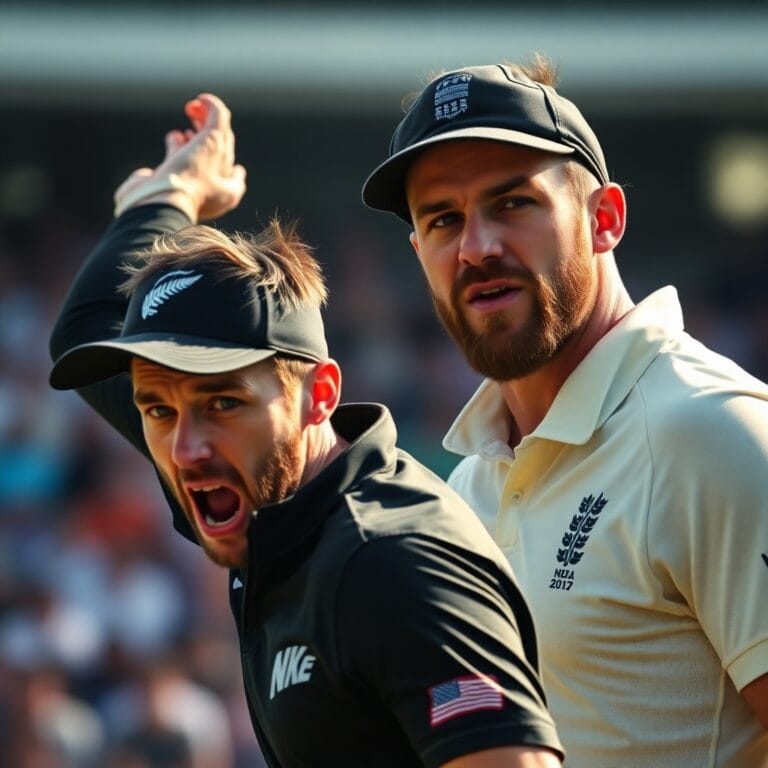
Ben Stokes announced his retirement on the fourth day of the England‑New Zealand Test at Trent Bridge, turning the climax of the series into a personal farewell. The decision reshaped the atmosphere, the tactics and the stakes for both sides as the match swung towards a dramatic finish.
England entered the final day needing 373 runs while New Zealand required just six wickets to seal a series win. The guard of honour, a line of English and Kiwi players, highlighted the respect Stokes earned over a decade of gritty performances. The emotional charge mixed with the tactical chessboard, making the last innings a study in risk and resolve.
The Stats Behind the Strategy
| Metric | England | New Zealand |
|---|---|---|
| First‑innings runs | 354 | 438 |
| Second‑innings runs (declared) | — | 288/9 |
| Top scorer (1st innings) | Jacob Bethell 74 | Daryl Mitchell 113 |
| Best bowling (1st innings) | Ben Stokes 4/70 | Nathan Smith 4/91 |
| Final day target | 373 | 6 wickets left |
| Key wicket‑takers (final day) | Zak Foulkes 3/42 | Jofra Archer 4/53 |
Trent Bridge offers a blend of early swing and late‑stage seam, rewarding bowlers who can move the ball both ways. England’s decision to open with Stokes, a bowler‑all‑rounder, was a nod to the venue’s bounce that can turn a short aggressive cameo into a momentum swing. New Zealand’s bowlers exploited the same seam, with Foulkes’ early burst proving the pitch still had fresh swing in the morning.
Tactical Choices and Their Impact
England’s surprise move to send Stokes as opener was more than a sentimental gesture. The plan was to use his power hitting against a fresh, swinging ball, aiming to post a quick 30‑plus before the new ball softened. Stokes’ 30 off 20 balls hinted at success, but the cost was a quick wicket that exposed the lower order.
New Zealand stuck to their conventional approach: Mitchell and Ravindra anchored the innings, playing the wicketkeeper‑friendly sections of the ground while rotating the strike. Their partnership of 215 runs set a platform that forced England into a chase beyond the usual fourth‑day target.
Bowling changes reflected the conditions. Archer was introduced early in New Zealand’s second innings, targeting the seam on a drying surface. His four‑wicket haul kept England’s total in check, while Foulkes’ early swing on day five capitalised on the moisture retained in the covers.
Player Mindsets on the Pitch
Stokes entered the field with the weight of a career and the knowledge it was his last stand. His aggression was a blend of farewell flourish and genuine intent to give England a chance. The rapid 30 showed he still trusted his instincts, even if the result was short‑lived.
Jacob Bethell, the young left‑hander, displayed composure beyond his years, producing a measured 74 that anchored England’s first innings. His technique against the swing at Trent Bridge suggested a bright future in the middle order.
For New Zealand, Daryl Mitchell’s unbeaten 100 was a masterclass in patience. He knew the pitch would lose pace as the day progressed, so he played with a soft hands approach, watching the ball come to him and punting when the short ball fell.
Series Implications and What Lies Ahead
The result of this Test will decide the series winner, but the ripple effects reach further. England now faces a rebuilding phase without their captain‑all‑rounder, prompting discussions about who will inherit the leadership mantle. Potential candidates include the steady Joe Root and the dynamic Harry Brook, each offering a different style.
New Zealand, on the other hand, will ride the momentum into the upcoming summer tour of the subcontinent. Their ability to adapt to different pitches will be tested, but the confidence from a series win abroad should serve them well.
Fans’ Take and Ground‑Level Feel
Supporters at Trent Bridge described the day as “a mix of pride and sadness.” The stand‑up ovation for Stokes lasted several minutes, a testament to his impact on English cricket culture. On social media, fan threads highlighted the emotional guard of honour, sharing clips of the moment and debating who could fill the void left by Stokes.
From the stands, the crowd’s reaction to the New Zealand chase was louder. Every boundary was met with cheers, every wicket with a collective gasp. The atmosphere reminded many of classic test finales where every run feels like history in the making.
In the end, the day was a reminder that cricket is as much about stories as it is about runs. Stokes’ final walk out of the middle, the guard of honour, and the fierce competition on a historic ground will be remembered long after the scorecards are filed away.