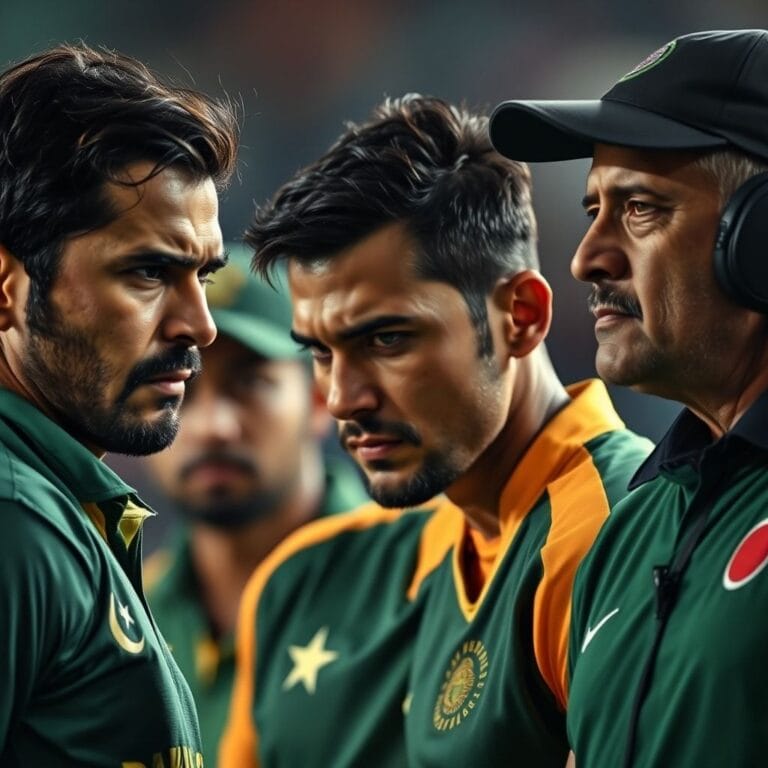
Bangladesh vs Australia, 2nd ODI: Tactical Showdown at Shere Bangla
Bangladesh vs Australia, 2nd ODI: Tactical Showdown at Shere Bangla
The second ODI between Bangladesh and Australia at Dhaka’s Shere Bangla National Stadium is more than a follow‑up to the opening win; it could decide who walks away with the series.
Match Context and What’s at Stake
Bangladesh entered the match riding a 86‑run DLS victory, a result that felt like a statement against a youthful Australian side still finding its footing on sub‑continental pitches. For Australia, the series hangs in the balance. A win levels the series, a loss hands the hosts a historic three‑match sweep. Both teams have a clear narrative: Bangladesh wants to prove the first win wasn’t a fluke, while the Aussies aim to rediscover the temperament that has won them 20 of 23 ODI encounters.
Tactical Blueprint for Both Sides
Dhaka’s Shere Bangla ground is notorious for a slow, turning surface that takes a bite after the first 10 overs. Early swing is possible under the morning moisture, but the real weapon emerges in the middle overs when the ball settles into a gritty grip. That pattern forces captains into a classic choice: bat first and set a target before the pitch dulls, or defend a modest total and rely on disciplined bowling.
Bangladesh’s plan will likely revolve around a front‑loaded powerplay, using the likes of Taskin Ahmed and Nahid Rana to extract seam and bounce before the surface softens. Once the middle overs roll in, the spin duo of Mehidy Hasan Miraz and veteran Shoriful Islam should dominate, providing the variations needed to choke any partnership. On the batting side, Mosaddek Hossain’s aggressive 86‑off‑70 in the first game shows he can seize the initiative, while Litton Das and Najmul Hossain Shanto are expected to anchor the innings, rotating the strike and accelerating once the bowlers tire.
Australia, on the other hand, must lean on experience. Opening with Matt Renshaw and Cameron Green gives them a chance to absorb the early movement. the real test comes how Marnus Labuschagne and Alex Carey handle the spin on offer. Their ability to play the ball late and use their feet will dictate whether the target stays reachable. The Aussie death‑overs arsenal—Adam Zampa’s leg‑spin and the pace of Nathan Ellis—provides a counter‑punch, but they need to break through a disciplined Bangladeshi field before the final overs evaporate.
The Stats Behind the Strategy
| Metric | Bangladesh (1st ODI) | Australia (1st ODI) |
|---|---|---|
| Top scorer | Mosaddek Hossain – 86 (70) | Josh Inglis – 34 (45) |
| Best bowler | Nahid Rana – 4/28 | Adam Zampa – 2/49 |
| Run rate (first 10 ov) | 5.6 | 6.2 |
| Partnership >30 runs | 3 | 1 |
The numbers underline Bangladesh’s ability to build partnerships and dominate with spin. Australia’s lower partnership count signals a fragile top order that struggled against the turning track.
Player Mindsets and Venue Connections
Mehidy Hasan Miraz, a left‑arm spinner who grew up on Dhaka’s red‑soil pitches, feels at home when the ball grips. His familiar bounce and turn make him a chief architect of any restriction plan. Mosaddek Hossain, who honed his power hitting on the fast lanes of the Narayanganj Academy, thrives when the ball comes onto the bat late, a perfect match for the slow, low‑bouncing surface.
For the Aussies, Marnus Labuschagne’s years of county cricket in England have taught him patience on slower tracks. His penchant for using the depth of the crease aligns with Dhaka’s need for late‑cut and sweep shots. Alex Carey, the wicket‑keeper‑batsman, has spent considerable time in the UAE, another spin‑friendly environment, giving him a mental edge against turn.
Tournament Implications and What Lies Ahead
A Bangladesh win puts them 2‑0 up, a scenario never seen in this series. It would boost confidence ahead of the final fixture in Sylhet, where the pitch is expected to be even slower, further rewarding their spinners. Conversely, an Australian victory resets the series to 1‑1, turning the third game into a winner‑takes‑all showdown. That will test Australia’s ability to adapt quickly, perhaps prompting them to pick an extra spinner or a specialist death‑over bowler for the decider.
Fan Pulse and Ground Realities
Bangladeshi fans have been vocal, chanting for a clean sweep and demanding aggressive play. The stadium’s atmosphere intensifies after every wicket, and the crowd’s energy often fuels the bowlers. Australian supporters, meanwhile, travel in smaller numbers but remain hopeful, banking on the resilience of their senior players. The on‑field spat between Josh Inglis and Nahid Rana in the first ODI has added a personal edge, making the second encounter feel like a grudge match as much as a series battle.
Final Thoughts
All signs point to a tightly contested match where the toss could tip the scales. Bangladesh’s blend of aggressive batting and spin‑heavy bowling seems tailor‑made for Dhaka, while Australia must lean on experience and adaptability to overturn the early deficit. Whatever the outcome, the second ODI is set to be a defining chapter in a series that could reshape the perception of sub‑continental dominance.