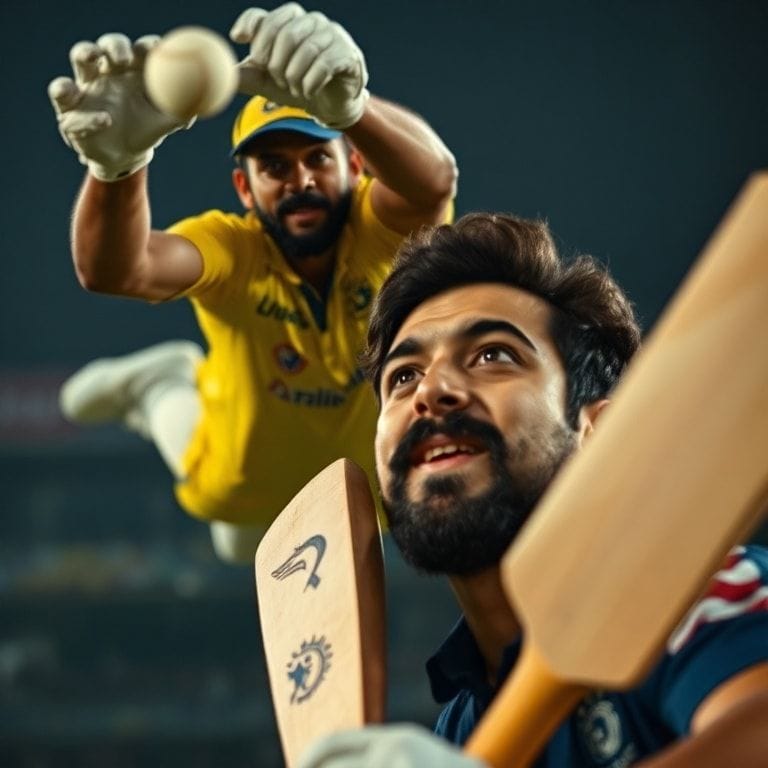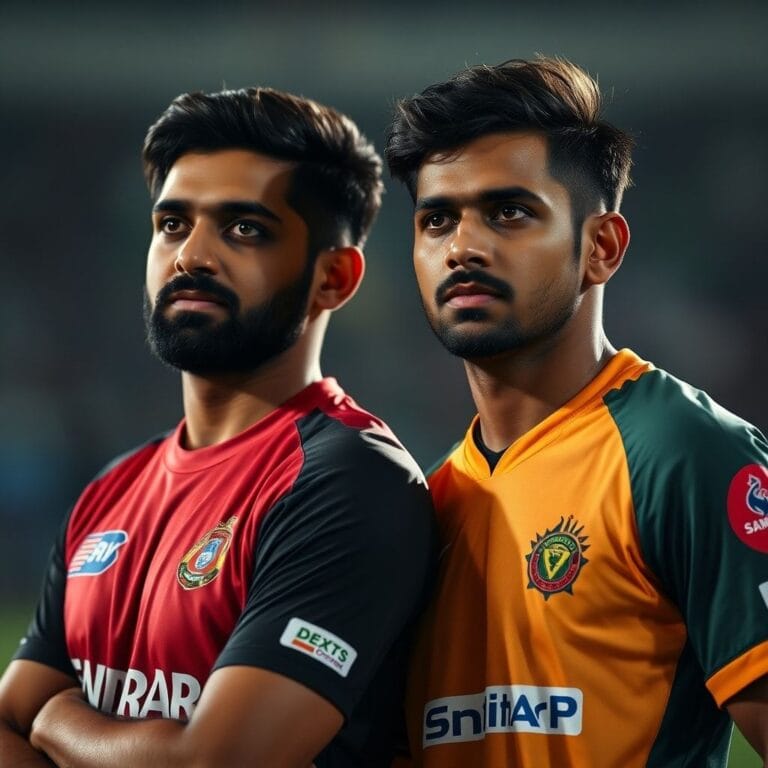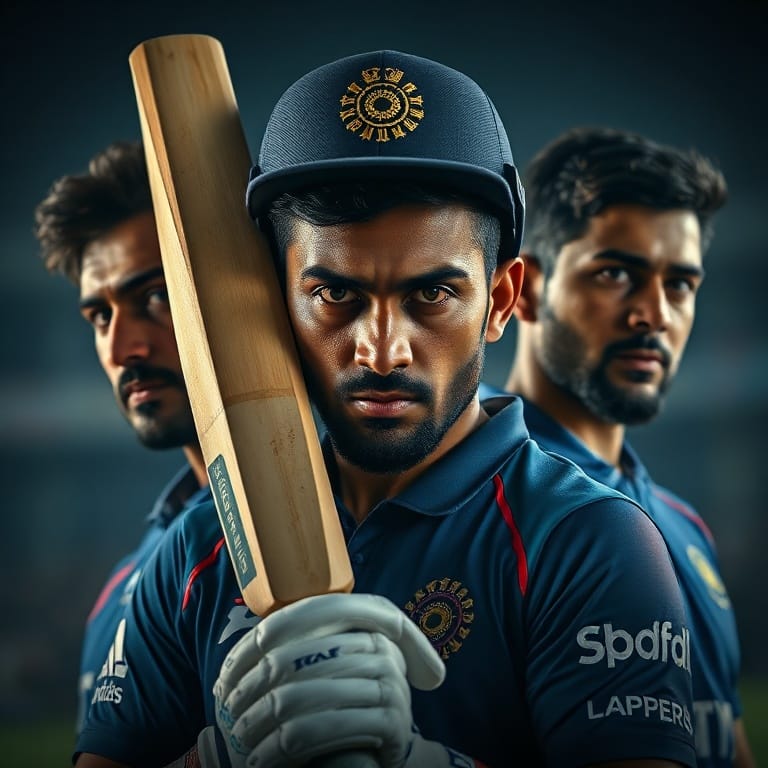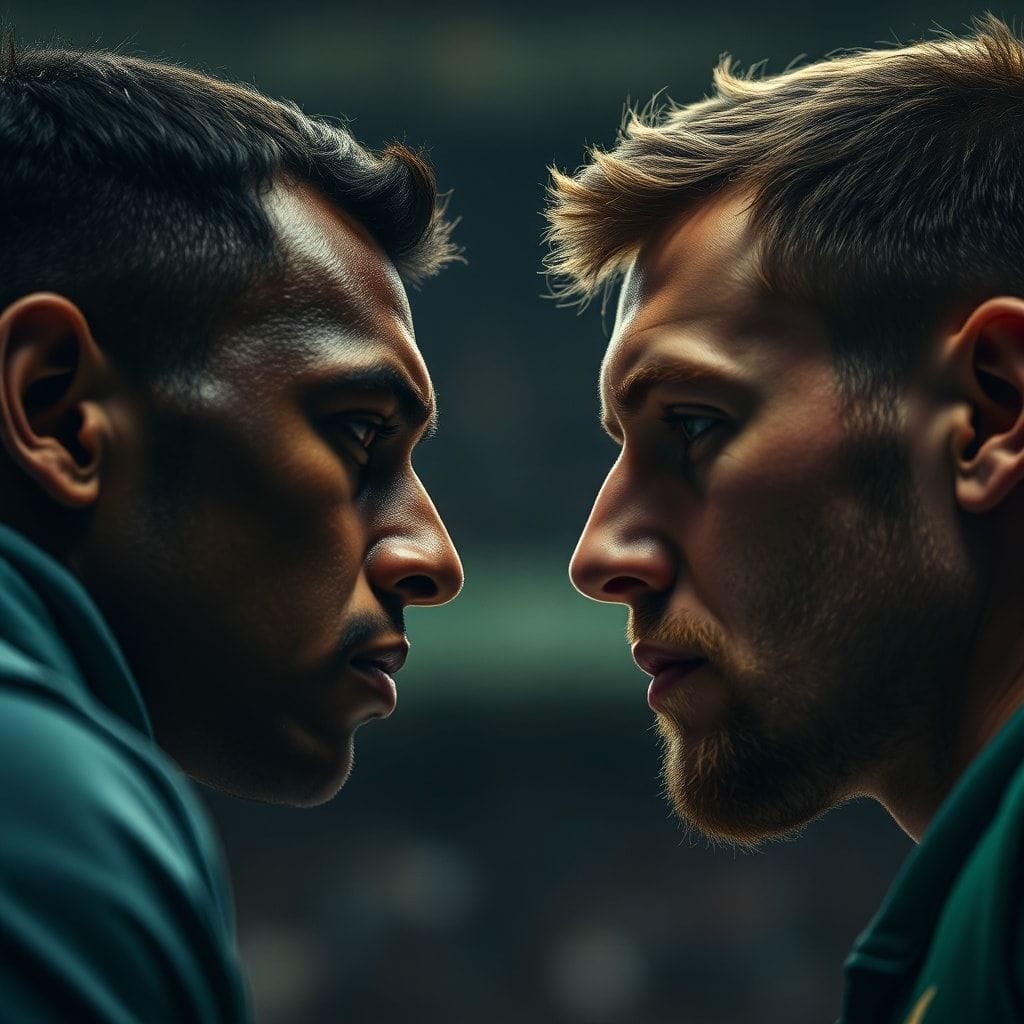
Prince Yadav vs Tristan Stubbs: The Stare-Down That Defined the Match
The Stare-Down Heard Around the Stands: Yadav vs Stubbs
The clash between Lucknow Super Giants and Delhi Capitals at Ekana Cricket Stadium turned into a textbook case of high‑stakes drama when a heated stare‑down unfolded between Prince Yadav and Tristan Stubbs. The moment mattered because it added a human layer to a game that was already swinging on both sides of the wicket.
Lucknow’s young pacer had already rattled Delhi’s top order, and the exchange amplified the tension that batters and bowlers felt in the middle overs. For fans, the stare‑down became the visual hook that defined the match on social media, prompting endless debate about aggression versus sportsmanship.
The Stats Behind the Strategy
| Metric | Lucknow Super Giants | Delhi Capitals |
|---|---|---|
| Runs Scored | 141/8 (18.4 overs) | 144/3 (17.1 overs) |
| Top Scorer | Mohammed Shami 34 (12 balls) | Sameer Rizvi 70 (47 balls) |
| Wickets Taken | 8 (T. Natarajan 3, Kuldeep Yadav 2, Lungi Ngidi 3) | 5 (Prince Yadav 2, Mohammed Shami 1, others 2) |
| Key Partnership | None lasting over 30 runs | Rizvi‑Stubbs 119* runs |
| Powerplay Wickets | 4 (26 runs) | 2 (26 runs) |
Those numbers tell why Lucknow’s plan of attacking early made sense, yet their middle‑order collapsed. Delhi’s decision to lean on Sameer Rizvi after a shaky start paid dividends, turning a 26‑run deficit into a chase that never looked shaky again.
Tactical Shifts and Decision‑Making
Lucknow entered the game with a clear intent: harness Prince Yadav’s raw pace to unsettle Delhi’s top order. The early two‑for‑one spell that rattled Pathum Nissanka and skipper Axar Patel proved the gamble worked. But the captain’s choice to persist with Yadav in the death overs, despite his high run‑conceding spell, left the team vulnerable when Stubby’s aggressive intent surfaced.
Delhi, on the other hand, adapted quickly. After losing four wickets for 26 runs, the captain handed the ball to Sameer Rizvi, a part‑time bowler who could also swing the bat. Rizvi’s quick 70 off 47 delivered a morale boost that allowed Tristan Stubbs to settle into a controlled 39, anchoring the chase. The partnership’s strike‑rate of 140+ turned the pressure back onto Lucknow’s bowlers, who never recovered the early momentum.
Player Mindsets and Roles
Prince Yadav entered the middle overs with his eyes locked on intimidation. The dot ball that led to his stare‑down with Stubbs was less about a specific dismissal plan and more about sending a psychological message. His body language – a quick stride towards the batsman, unwavering gaze – suggested confidence that could have swung the match in Lucknow’s favour if backed by wickets.
Tristan Stubbs displayed a calm that belied the fireworks around him. After a boundary on his first ball, he faced the stare with an equal, almost defiant, look. By not letting the exchange affect his shot selection, he kept the partnership steady and allowed Rizvi’s aggression to flourish.
Venue‑Based Influences
Ekana’s pitch is known for a slow‑to‑medium bounce that rewards bowlers who can extract seam and maintain a disciplined line. Prince Yadav’s pace coupled with a short‑run‑up suited the surface, making his early breakthroughs easier. Yet the same surface also favoured batters who could rotate the strike, a factor the Capitals exploited through Rizvi’s cut and driving placements.
The ground’s outfield tends to be a bit lively, allowing boundaries to be taken off the back of a mis‑timed delivery. Lucknow’s higher‑order failed to capitalize on this, while Delhi’s middle order, especially Stubbs, timed the ball well, turning potential singles into fours.
Impact on the Tournament
Delhi’s win pushes them into the top three of the points table, keeping their playoff hopes alive. Lucknow, despite a respectable bowling display, now faces the threat of slipping out of contention unless their batting clickates in the upcoming fixtures. The Yadav‑Stubbs incident, though a fleeting visual, may have a lasting ripple – it reminded teams that mental battles are as critical as physical ones.
Going forward, Lucknow might rethink their late‑order strategy, perhaps promoting a more experienced finisher to mitigate the pressure on young pacers. Delhi’s reliance on a dual‑role player like Sameer Rizvi could inspire other sides to gamble on part‑time bowlers who can swing the innings with a quick burst of runs.
Fans’ Take and Grounded Opinions
Social media exploded with clips of the stare‑down, spawning memes and heated threads about what constitutes a ‘silly’ exchange versus genuine competitive fire. Many fans praised Stubbs for his composure, while others felt Prince Yadav’s aggression was justified given the match’s context. The consensus, was that on‑field emotions add flavor to a sport that can sometimes feel overly polished.
In the stands, Lucknow supporters were visibly disappointed not just by the low total but by the missed opportunity to convert early wickets into a defendable score. Delhi fans, meanwhile, celebrated the partnership as a “masterclass in chase management”, highlighting the team’s resilience after a shaky start.
the encounter demonstrated that cricket’s narrative is built on more than runs and wickets – it thrives on the human moments that fans remember long after the scoreboard is cleared.
Cricket Desk: Want more on 2026 IPL? Check out our 2026 IPL Latest News & Stats.