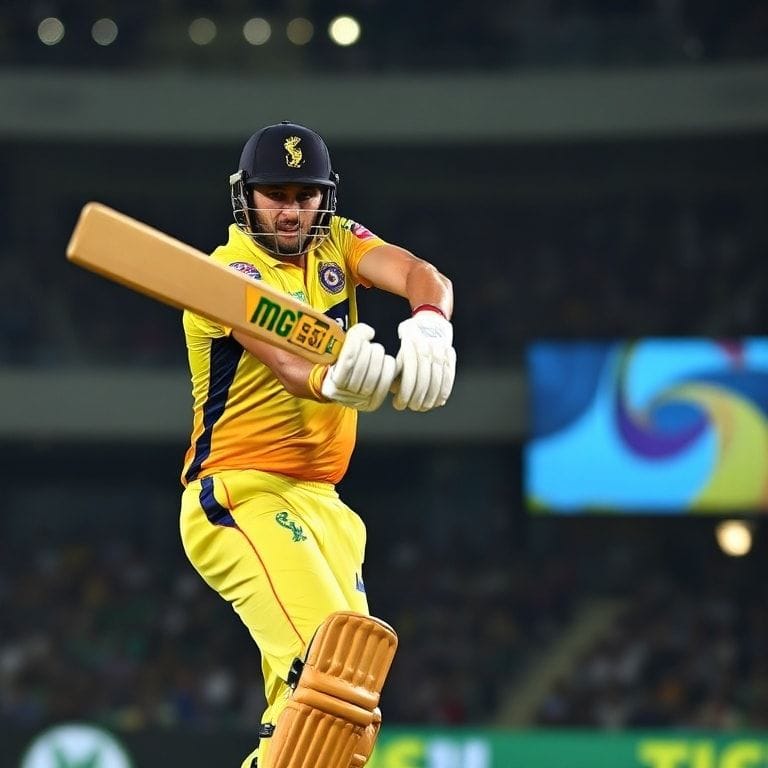
Ben Duckett IPL Exit: Delhi Capitals’ Adaptation Plan
Ben Duckett’s Shocking IPL Exit: How Delhi Capitals Are Adapting
The sudden exit of England opener Ben Duckett from the IPL 2026 has thrown Delhi Capitals into a scramble just days before the curtain rises. Sunil Gavaskar’s outspoken take on the BCCI’s penalty system adds a new layer of debate, making the episode a flashpoint for how overseas players are managed in India’s premier T20 showcase.
Context and the Immediate Fallout
Duckett was snapped up by Delhi for ₹2 crore, a price that reflected both his recent Ashes exposure and the franchise’s desire for a left-handed power-hitter to partner KL Rahul at the top. Five days before the opening match he announced a withdrawal, citing the need to focus on England’s home summer. The timing was brutal – Delhi’s pre-season plans, practice line-ups and marketing material all had to be re-engineered on the fly.
For the franchise, the loss is two-fold. First, Duckett’s ability to rotate the strike would have balanced Rahul’s aggression, especially on the slower, low-bounce tracks of the Narendra Modi Stadium. Second, his departure underscores a deeper vulnerability: overseas players now have a menu of lucrative alternatives – The Hundred, County Championship contracts, and even franchise leagues in the Caribbean – that dilute the fear of a two-year IPL ban.
Strategic Re-shaping by Delhi Capitals
Delhi’s coaching staff, led by Rahul Dravid, has pivoted to a home-grown solution. The most obvious substitute is Rishabh Pant, whose recent form in the domestic circuit shows a willingness to play the anchor role while still unleashing fireworks in the death overs. Pant’s comfort against the sprawling outfield of the stadium makes him a viable top-order filler.
the Capitals are looking at a short-term overseas bolt-on. Australian quick Matt Henry, currently on the market after a season-ending injury to Mitchell Starc, has expressed interest in a short stint. Henry’s ability to swing the new ball on a pitch that offers a little seam movement could compensate for the missing left-handed opener, especially in early-over powerplays.
Player Mindsets and Role Adjustments
Duckett’s decision reflects a classic dilemma: the pull of national duty versus the financial lure of franchise cricket. He framed his exit as a mental-health and preparation move, a narrative that resonates with younger players who see international caps as the ultimate validation.
For KL Rahul, the change means a shift in batting order dynamics. Rahul, traditionally an anchor, now faces the prospect of opening or coming in at No 3 with a different partner. His experience in handling the new-ball on both flat and turning wickets will be tested, particularly at venues like the Sheikh Zayed Stadium, where the outfield subtly slows the ball.
Sunil Gavaskar’s criticism of the BCCI’s two-year ban reveals his concern for the integrity of the league. He likens the penalty to a field-restriction rule that has a tangible impact on a game’s outcome. In his view, immediate, performance-linked sanctions – such as a loss of a full-salary component for the season of withdrawal – could be more effective than a distant ban that players can simply outwait.
The Stats Behind the Strategy
| Player | IPL Auction Price (₹ crore) | Recent T20 Avg | Strike Rate | Venue Adjusted Score (Projected) |
|---|---|---|---|---|
| Ben Duckett | 2.0 | 32.4 | 138.6 | 45 @ Delhi (slow-outfield) |
| Rishabh Pant | 1.5 | 28.9 | 152.3 | 55 @ Delhi (fast-track) |
| Matt Henry | 0.8 (short term) | 22.1 (bowling avg) | — | 2/24 @ Delhi (seam-friendly early) |
The numbers point to why Delhi’s hierarchy favoured a domestic heavy-hitting option. Pant’s higher strike rate on faster decks suggests he can mitigate Duckett’s loss without sacrificing run-rate momentum. Henry’s early-over figures indicate a potential to take early wickets on a pitch that traditionally offers a sliver of seam.
Impact on the Tournament Landscape
Beyond Delhi, Duckett’s exit sends ripples through the auction-strategy playbook. Teams may now insert contingency clauses that allow quick swaps for overseas slots, a move that could reshape future squad compositions. The BCCI, under pressure from veterans like Gavaskar, might revisit the penalty matrix before the next season, perhaps introducing tiered sanctions based on timing and reason for withdrawal.
For the title race, the Capitals’ adaptability will be tested against power-houses such as Mumbai Indians and Chennai Super Kings, who have secured their overseas cores well in advance. The ability to field a consistent opening pair could be the differentiator in tight group-stage matches, especially on venues where the toss dramatically influences batting order decisions.
Fan Perspective and Grounded Opinions
Fans on social media expressed mixed feelings. Some lamented the loss of an English flair on the Indian stage, while others applauded Duckett’s honesty about mental health. On the ground, Delhi supporters have embraced Pant’s elevated role, chanting his name during practice sessions and buying merch featuring his silhouette.
Gavaskar’s comments sparked a nostalgic debate among veteran fans, recalling the days when a player’s withdrawal would trigger a hefty fine and an immediate ban. Younger spectators, argue that rigid punishments ignore the modern cricketing ecosystem, where balancing multiple leagues is a realistic challenge.
the episode highlights the evolving relationship between franchise cricket and international commitments. It forces administrators, players, and supporters alike to reckon with a world where loyalty is no longer binary, and where strategic flexibility may become the new cornerstone of success.
Cricket Desk: Want more on Ben Duckett? Check out our Ben Duckett Latest News & Stats.