Shardul Thakur’s Slower Ball Dismisses Finn Allen in IPL 2026
Shardul Thakur’s Slower Ball Brilliance Turns Tide in MI vs KKR Clash
This piece looks at Shardul Thakur’s clever slower‑ball dismissal of Finn Allen during the Mumbai Indians‑Kolkata Knight Riders showdown at Wankhede. The wicket turned a runaway KKR powerplay into a tense chase, reshaping the narrative of the IPL 2026 fixture.
Match context and early momentum
From the first ball, KKR’s openers set a brisk tone. Ajinkya Rahane, the seasoned senior, played the anchor, rotating strike while Finn Allen launched into attacking arcs. The pair piled on 69 runs before the first wicket fell, exploiting the field‑restriction zone and pinching the hosts’ confidence. Mumbai’s bowlers, led by a tidy Hardik Pandya, struggled to find a rhythm; the outfield at Wankhede, with its firm red‑soil bounce, gave Allen’s lofted pulls a humming extra.
Why the change mattered
Hardik’s decision to introduce Shardul in the sixth over was more than a routine rotation. By that point, KKR’s run‑rate hovered around eight, and the momentum was tilting wildly in their favour. Shardul, a swing‑bowler with a penchant for variation, was earmarked to break the rhythm. The plan hinged on two ideas: first, to force a catch‑or‑mistake scenario by altering pace; second, to give the Mumbai fielders a chance to reset mentally.
Player mindset and execution
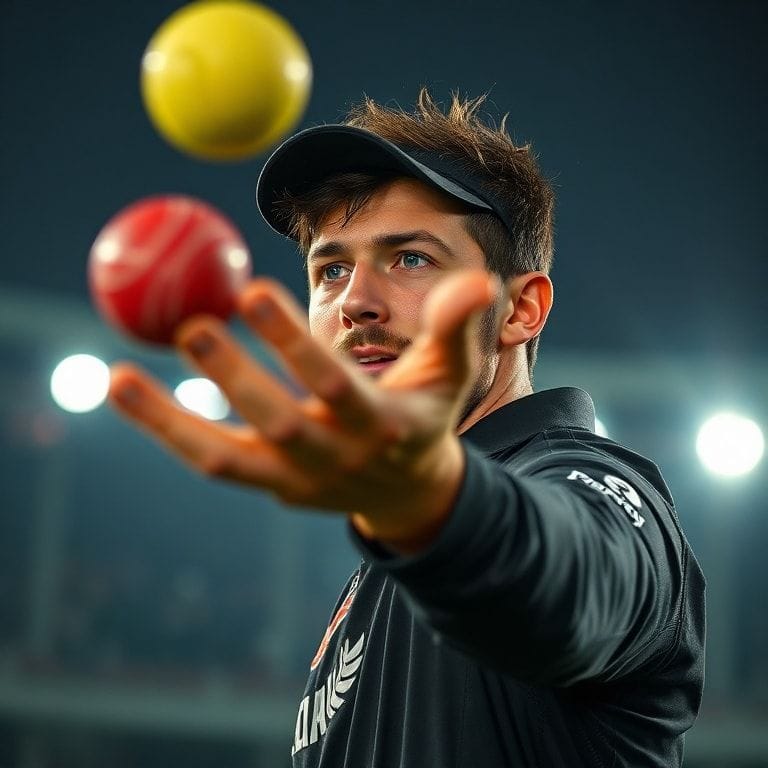
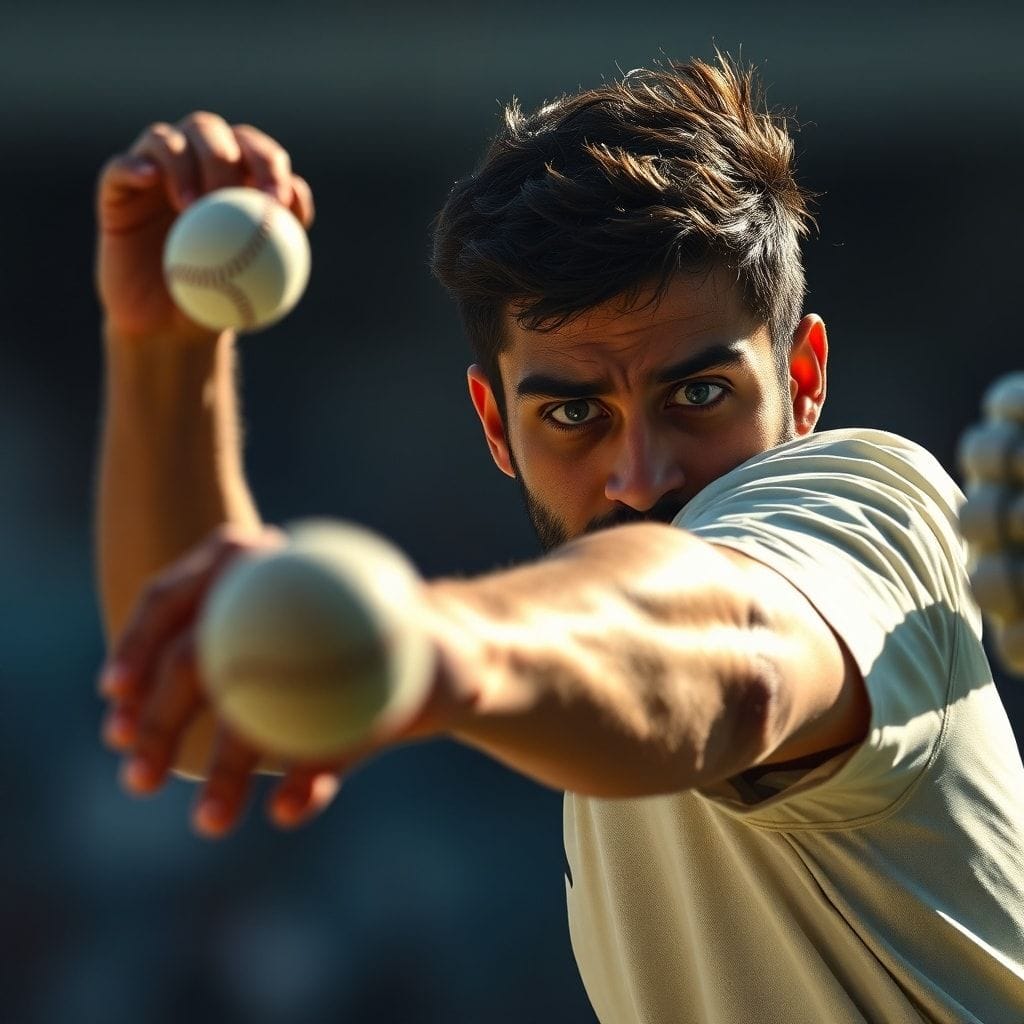
Shardul approached the over with a clear objective – read Allen’s aggressive stance and invite him to over‑commit. The second ball of his spell was a textbook slower ball: a full‑toss length, back‑of‑hand grip, and a subtle wrist‑flick that robbed the delivery of its original velocity. Allen, accustomed to meeting full‑pace with power, instinctively went for a leg‑side scoop. The mis‑timed shot turned back toward long‑on, where Tilak Varma waited, gloves steady. The catch was a textbook example of fielding under pressure, and the dismissal sparked a chorus of relief from the Mumbai dugout.
Tactical ripple effects
With the opening partnership split, Mumbai regained a foothold. The new pair, Suryakumar Yadav and Rohit Sharma, adopted a measured approach, rotating the strike and picking at loose deliveries. The bowlers switched to a more defensive line, targeting the stumps and curbing the wides that had previously dribbled away. Shardul’s spell continued, netting another wicket in the ninth over, and the pressure shifted back to KKR, who now needed to rebuild from a precarious 74/2.
The Stats Behind the Strategy
| Player | Runs | Strike Rate | Overs Bowled | Economy | Wickets |
|---|---|---|---|---|---|
| Finn Allen | 34 | 165.4 | — | — | 0 |
| Ajinkya Rahane | 35 | 118.6 | — | — | 0 |
| Shardul Thakur | — | — | 4.0 | 5.75 | 2 |
| Hardik Pandya (c) | — | — | 4.0 | 6.00 | 0 |
The numbers tell a clear story. Allen’s strike rate was through the roof, but his dismissal came after just 34 runs – a testament to Shardul’s timing. Shardul’s economy, while slightly higher than ideal, was justified by the breakthrough wickets that stalled the run‑flow.
Venue‑specific nuances
Wankhede’s surface, famed for its brisk bounce and low‑to‑medium turn, traditionally rewards seamers who can extract seam movement early. Shardul exploited the hardness of the pitch; the slower ball skidded just enough to appear as a genuine full‑toss, but the bounce remained sharp, making Allen’s lofted scoop a risky proposition. The outfield, with its quick grass, also meant boundary chances were easier, amplifying the need for precision.
Impact on the tournament and what lies ahead
Mumbai’s win nudged them higher up the points table, reinforcing the narrative that their bench strength can turn matches when the top order falters. The victory also highlighted Shardul’s emergence as a potential match‑winner in high‑pressure phases, a factor other franchises will monitor closely.
Kolkata, on the other hand, must reassess their power‑play blueprint. Relying heavily on aggression in the first ten overs proved costly once a variation was introduced. Their upcoming fixtures against Delhi and Royal Challengers will likely see a more tempered approach, perhaps integrating additional slower‑ball options.
For fans, the game provided a classic IPL moment – the swing of momentum captured in a single ball, a reminder that cricket thrives on tiny margins. The crowd at Wankhede, though in the stands, felt the shift; cheers turned into collective sighs the moment the catch was taken, and the stadium’s energy ebbed and rose with every run.
Looking forward, Mumbai will aim to consolidate this win, giving Hardik and his leadership squad confidence to experiment with bowling changes. Shardul’s role may evolve from a support bowler to a go‑to option in the death overs, especially on pitches offering a bit of seam.
In the broader picture, the IPL 2026 season is shaping up to be one of tactical chess rather than pure fire‑power. Teams that master the art of variation, like Mumbai did with that slower ball, will find themselves consistently ahead of the curve.
Cricket Desk: Want more on Cricket Match Analysis? Check out our Cricket Match Analysis Latest News & Stats.