PSL 2026: Australian travel ban threatens Peshawar debut
PSL 2026: Australian Travel Warning Casts Shadow Over Peshawar Debut
The upcoming Pakistan Super League season has turned into a security drama as Australia warns its cricketers away from Peshawar. The warning arrives just days before the league’s first match in the city, putting the whole schedule under a cloud of uncertainty.
Why the Travel Advisory Matters
Australia’s Smartraveller alert cites unpredictable terrorist threats across Pakistan after recent strikes in Kabul. For a league that relies on overseas talent, a government‑issued “do not travel” notice forces teams to rethink line‑ups, logistics, and even the financial calculus of the tournament.
Team Decisions in Real‑Time
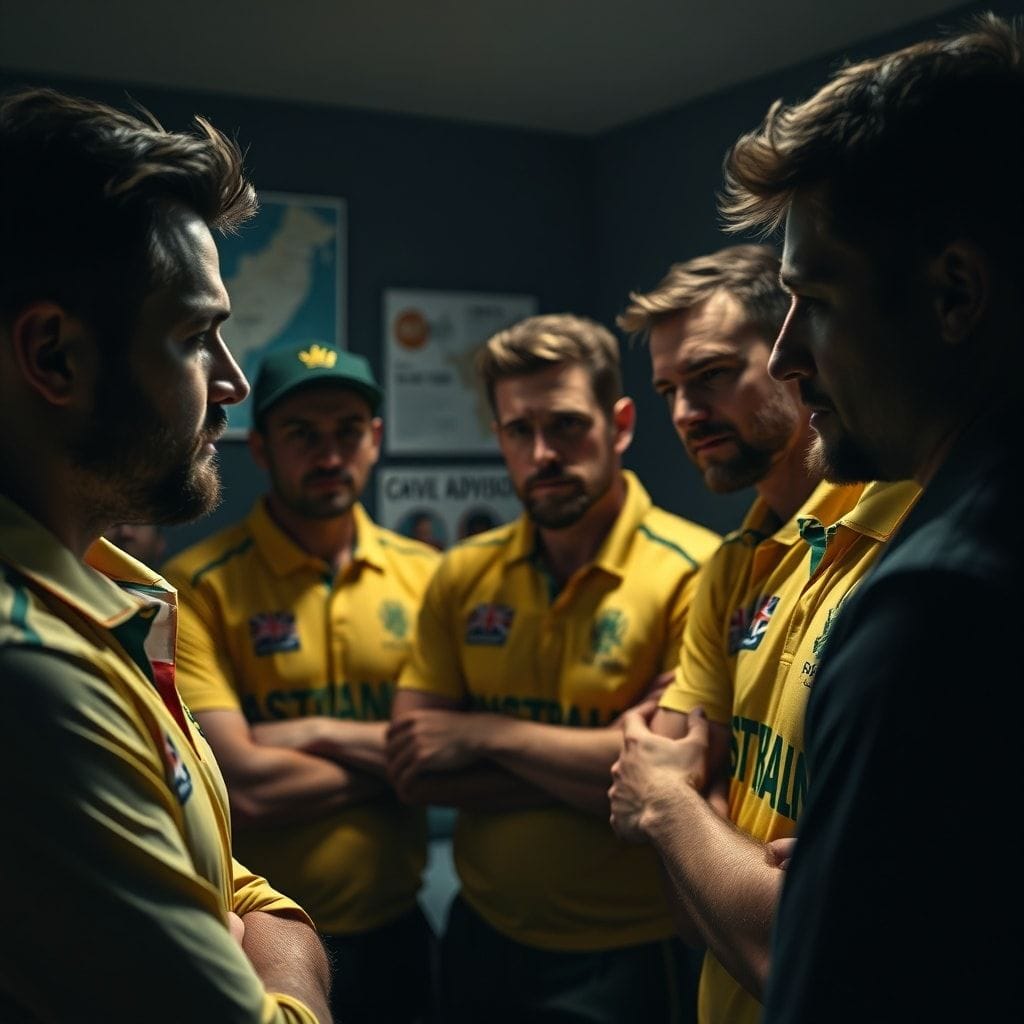
Both Peshawar Zalmi and Rawalpindi Rams have Australian stars on their rosters – Steve Smith, David Warner, Marnus Labuschagne and Glenn Maxwell among them. With Peshawar off‑limits, the franchises face three practical choices:
- Keep the players on the bench for the Peshawar game and rotate them to later fixtures in Karachi or Lahore.
- Replace the Australians with local talent or other overseas players who have no travel restrictions.
- Push for a neutral venue, perhaps moving the match to the United Arab Emirates, where security is easier to guarantee.
Each option carries a cost. Bench‑ing a marquee player removes a draw for fans and sponsors, while swapping players mid‑season disrupts team chemistry. The PCB’s promise of private‑jet evacuation looks reassuring, yet it does not silence the personal safety concerns that sit in every player’s mind.
Player Mindset and Role Adaptation
For a veteran like Steve Smith, the decision is less about money and more about legacy. He has spoken in the past about wanting to experience the fervor of a PSL crowd, especially in a city that has never hosted a match before. The travel ban forces him to weigh personal risk against the lure of a new challenge.
David Warner, known for his aggressive opening style, thrives on fast pitches. Peshawar’s new stadium was built on a hard, low‑bounce surface, similar to the older Karachi grounds. Missing that venue could blunt his impact early in the tournament, pushing him to adapt to slower, turning tracks later on.
Glenn Maxwell’s role as a late‑order power‑hitter depends heavily on a short‑run chase. Peshawar’s boundary dimensions were set to be slightly smaller than Lahore’s, making it a perfect stage for his six‑hitting. If he misses the Peshawar game, the Rams lose a tactical weapon in crunch overs.
The Stats Behind the Strategy
| Player | Avg Runs in PSL (2022‑24) | Preferred Pitch Type | Peshawar Venue Rating* |
|---|---|---|---|
| Steve Smith | 42.5 | Medium‑pace-friendly | 8.2 |
| David Warner | 48.9 | Fast, low‑bounce | 7.9 |
| Glenn Maxwell | 34.1 | Flat, small‑boundary | 8.5 |
| Marnus Labuschagne | 39.3 | Swing‑friendly | 7.4 |
*Rating based on historical run‑scoring data, pitch speed, and boundary size. The Peshawar ground scores highest for power‑hitters, making it a decisive factor for a team’s run‑rate strategy.
Impact on the Tournament Narrative
PSL 2026 is marketed as the league’s biggest expansion yet, with eight teams and three new venues. The Peshawar debut was meant to signal cricket’s return to the city after years of neglect. If the match is relocated or played without Australian stars, the narrative shifts from “growth” to “crisis management.”
Afghan players, already uneasy after the Kabul incident, are pulling out of the league. Their absence reduces the tournament’s multicultural appeal, which had been a selling point for broadcasters. The PCB now walks a tightrope between safeguarding participants and preserving the commercial credibility of the league.
What Comes Next?
In the next 48 hours, two clear scenarios will emerge:
- The Australian government lifts the advisory, perhaps after diplomatic assurances, allowing the players to travel. In that case, Peshawar’s inaugural match proceeds as planned, and the league enjoys a media splash.
- The warning stays, forcing the PCB to either move the game or replace the Australian contingent. That decision will likely trigger a ripple effect across sponsorship contracts and television rights.
Fans in Pakistan are already vocal on social media, demanding that the league honor its promise to bring world‑class cricket to Peshawar. Their frustration is palpable – they see the stadium, the upgraded seating, and the bright floodlights, but they also hear the distant rumble of geopolitical tension.
For cricket lovers worldwide, the story is a reminder that sport rarely exists in a vacuum. The PSL’s fate now rests on diplomatic goodwill as much as on batting averages.
Cricket Desk: Want more on Steve Smith PSL? Check out our Steve Smith PSL Latest News & Stats.