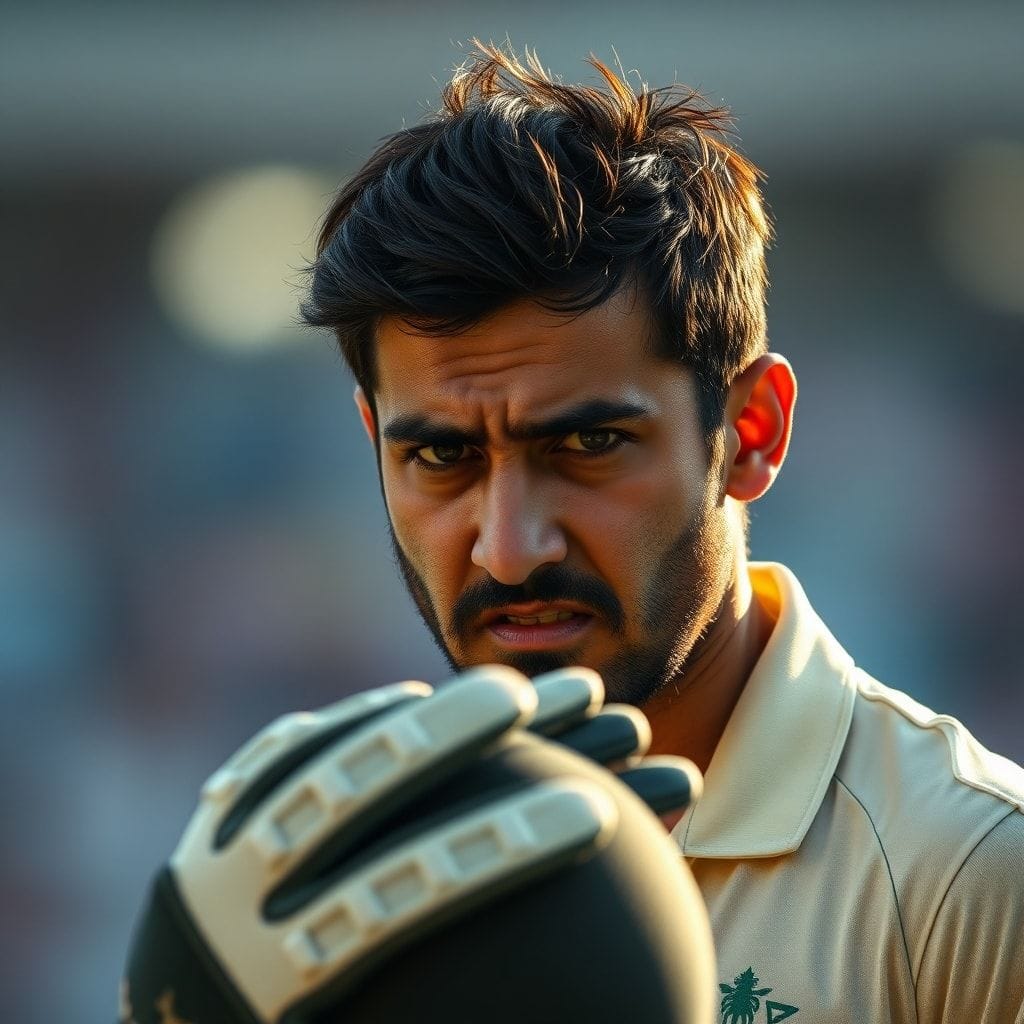
Salman Agha run-out sparks Spirit of Cricket debate in Dhaka
The Run-Out Heard Around Dhaka: Spirit, Strategy, and Salman Agha’s Flashpoint
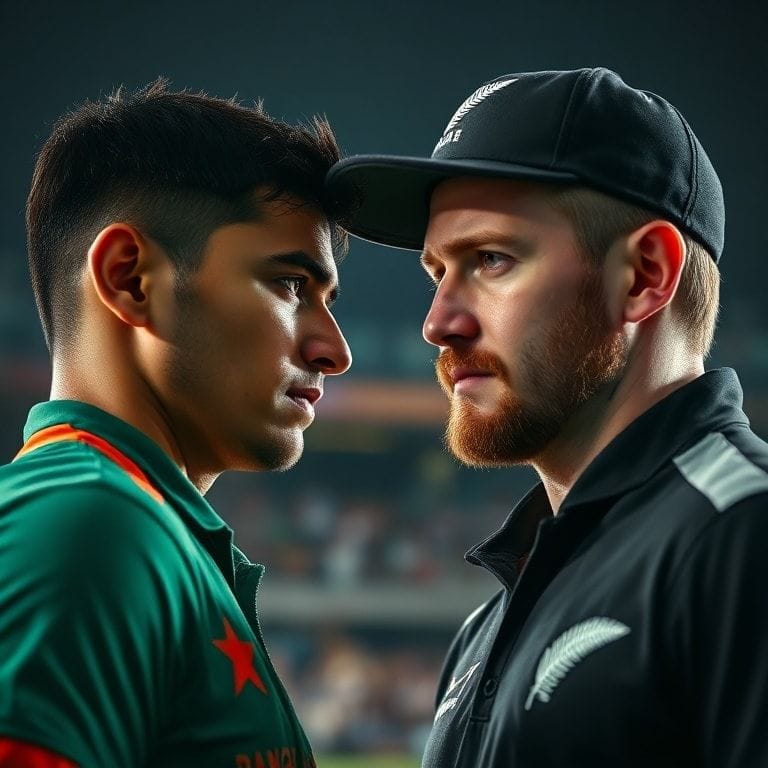
The second ODI between Bangladesh and Pakistan in Dhaka sparked a debate that went beyond the scoreboard. A run-out of stand-in captain Salman Agha, followed by an on-field outburst, landed him a reprimand from the ICC and reminded everyone how thin the line is between aggression and the Spirit of Cricket.
Pakistan entered the match needing a solid start after a wobble in the first game. Early wickets left them at 55/4, but a steady 109-run partnership between Mohammad Rizwan and Agha turned the tide. The partnership not only rescued the innings but also set a platform for a total that looked competitive against a Bangladeshi side that had been dominant at home.
The Stats Behind the Strategy
| Metric | Pakistan (2nd ODI) | Bangladesh (2nd ODI) | Venue Average (Sher-e-Bangla) |
|---|---|---|---|
| Run-out dismissals | 1 (Agha) | 0 | 0.3 per match |
| Partnerships > 100 runs | 1 (Rizwan-Agha) | 2 (Sakib-Mushfiqur, Shakib-Afif) | 1.2 per innings |
| Boundary % (balls hitting the fence) | 22% | 18% | 20% |
| Batting strike rate (top 5 batsmen) | 88.5 | 81.2 | 84.0 |
The numbers reveal why the run-out mattered. Pakistan’s only wicket from a run-out came at a juncture when the partnership was still alive. In a venue where dismissals by surprise are rare (0.3 per match), the incident tipped the balance, forcing Pakistan to finish with 252/7 instead of a potentially higher score.
Tactical choices that set the stage
Bangladesh’s captain Mehidy Hasan Miraz opted to bowl himself in the 39th over, a move that signaled intent. By delivering a seam-on-the-off-side delivery and then moving across the stumps, he created a chance for a quick, low-risk dismissal. The decision to keep the ball in play rather than call dead was textbook law, but the execution exposed a communication gap.
Pakistan, on the other hand, trusted Agha’s experience to stay calm. The all-rounder, batting at number five, had anchored the innings with a measured 64 off 62 balls. When Miraz’s boot stopped the ball near the non-striker’s end, Agha instinctively reached to return it—an act that, in his mind, was a gesture of sportsmanship. The split-second judgment that the ball was dead turned costly.
Player mindsets and roles
Salman Agha’s role as stand-in skipper comes with added pressure. He knows Pakistan’s middle order has been fragile, and his partnership with Rizwan was the linchpin. The frustration that boiled over—gloves and helmet tossed aside—was as much about the immediate loss of momentum as it was about the feeling of being “cheated” by a law he thought favored the batting side.
Miraz, a bowler who often relies on subtle variations, saw an opportunity to break the partnership. His quick decision to appeal showcased a keen awareness of the match situation. The subsequent exchange with wicket-keeper Litton Das, described by the referee as a “miscommunication,” highlighted how emotions can spill over when players interpret each other’s intentions through the lens of intense competition.
Impact on the series and what lies ahead
The series now sits at 1-0 in Bangladesh’s favour. Pakistan’s loss in this match, even after a respectable total, puts pressure on their top order to deliver a chase that feels realistic on a ground known for assisting spin in the latter overs. The ICC reprimand for Agha, while not affecting his playing eligibility, adds a disciplinary note to his record—one that could influence his captaincy confidence if another tense moment arises.
Looking ahead to the third ODI, both teams will adjust. Bangladesh may lean more on their spin trio, exploiting the turning nature of Sher-e-Bangla’s dry surface. Pakistan might promote a more aggressive top-order approach to avoid being pinned down by early wickets again.
Fans, fences, and feelings
Social media lit up with clips of Agha’s outburst. Fans in Karachi expressed disappointment, calling the reaction “un-Pakistani,” while supporters in Dhaka cheered the decisive run-out as a “fair-play moment.” The split reaction reflects how cricket fans invest emotion into every nuance, especially when a game-changing decision is involved.
From a ground-level perspective, the Dhaka crowd’s roar after the appeal underscored the home advantage that goes beyond pitch conditions. The crowd’s energy fed the bowlers, and the visual of Agha’s helmet hitting the grass became a meme that night, circulating across Twitter and Instagram.
In the broader context, the episode reminds everyone that the ICC’s Code of Conduct is not just a formality. Players who let their frustration show risk not only personal penalties but also the narrative of a match. The reprimand serves as a subtle warning: next time, a calmer reaction could preserve both personal composure and team momentum.
Ultimately, the run-out and its fallout have turned a regular ODI into a talking point about law, spirit, and temperament. As the series continues, the lessons learned here will shape tactics, player behavior, and, inevitably, the headlines that follow.
Cricket Desk: Want more on Associate cricket strategy? Check out our Associate cricket strategy Latest News & Stats.