Abhishek Sharma’s bat swap boosts India’s T20 World Cup win
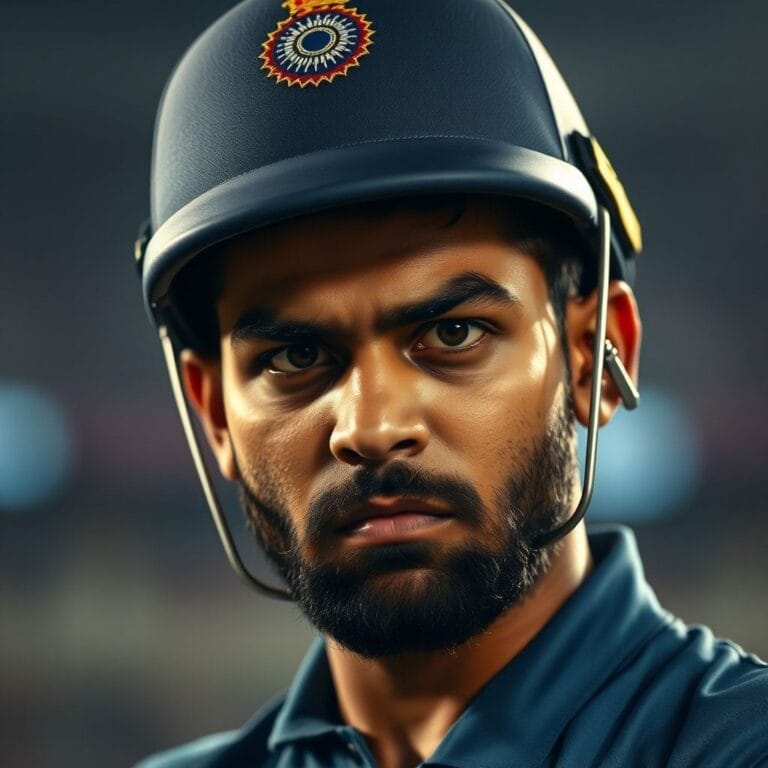
Abhishek Sharma’s Bat Swap: The Tactical Gamble That Won India the T20 World Cup
The T20 World Cup 2026 final in Ahmedabad saw India clinch a historic third title, but the story that lit up the post‑match chatter was Abhishek Sharma’s daring decision to swing a teammate’s bat. The move sparked a blitz of questions about ritual, equipment and the mental gamble that paid off in a record‑breaking 18‑ball fifty.
India entered the final riding a wave of confidence, yet Abhishek’s campaign had been a roller‑coaster. After a solitary half‑century against Zimbabwe, a string of low scores left the 24‑year‑old searching for a rhythm that once made him the world’s top T20 batsman. When the day of the final arrived, the regular opener’s partner Shubman Gill was unavailable, opening a window for an unusual experiment – borrowing Shivam Dube’s heavy‑hitting blade.
The choice was more than a whim. Dube’s bat, a 4.5 kg, low‑sweet‑spot pole, is built for power on the short cover and mid‑wicket zones that dominate Ahmedabad’s flat, hard‑packed surface. Abhishek, a left‑hander who favours a high‑arcing bat swing, felt the extra mass would translate his natural aggression into more momentum. The dressing‑room vibe added fuel; senior players reminded him that belief inside the tent can be as decisive as any swing of the willow.
The Stats Behind the Strategy
| Player | Bat Used | Average Strike Rate (SR) in Tournament | SR in Final | Balls Faced for 50+ |
|---|---|---|---|---|
| Abhishek Sharma | Dube’s 4.5 kg blade | 215.4 | 247.6 | 18 |
| Shivam Dube (original bat) | Own bat | 190.2 | — | — |
| Sanju Samson | Standard power‑hit bat | 208.7 | 221.4 (89 off 40) | — |
Running the numbers shows the stark uplift. Abhishek’s strike rate climbed more than 30 points when he swapped blades, and the 18‑ball half‑century eclipsed Finn Allen’s previous knockout record of 19 balls. The heavier bat gave him a marginally longer ‘sweet spot window’, allowing him to generate additional bat speed without altering his footwork—crucial on a surface that offers little assistance to spin.
Beyond raw figures, the data reflects a tactical shift. India’s opening partnership traditionally balances aggression with a safety net. By handing the baton – literally – to a power‑focused bat, the team signaled an intent to dominate the powerplay, forcing New Zealand into a defensive field early on.
Tactical Decisions and Team Dynamics
Coach Rahul Dravid’s pre‑final plan hinged on exploiting the 20‑over batting‑friendly pitch. The side’s bowling attack, anchored by Jasprit Bumrah’s yorkers and Axar Patel’s wristy variations, promised to keep the chase tight. That meant the batters needed a blistering start to set a target beyond the average 165‑run chase in the tournament.
Abhishek’s decision to use Dube’s bat dovetailed neatly with this game plan. The heavier blade produced a higher launch angle on lofted shots, turning mids‑length deliveries into sixes. In the first over, he dispatched two sixes and a four, immediately taking the scoreboard pressure away from the Black Caps. The gamble also sent a message to the opposition: India was prepared to rewrite the script, even if it meant breaking a personal routine.
From a field‑setting perspective, New Zealand’s captain placed a deep mid‑wicket square for the first four overs, anticipating a measured start. The reality of sixes raining down forced them to bring the extra cover and mid‑off into play, creating gaps that Sanju Samson later exploited.
Player Roles, Mindset and the ‘Bat Swap’ Effect
Abhishek’s mindset shifted from ‘find my form’ to ‘own the moment’. The borrowed bat became a psychological trigger – a tangible reminder that he was taking charge. He described the feeling as “the weight of the bat matched the weight of expectation,” turning anxiety into momentum.
Shivam Dube, who was slated to bat lower down the order, embraced the role of the unsung facilitator. By handing over his bat, he displayed a team‑first attitude that resonated across the dressing room. Dube later contributed a quick‑fire 18 off 9 balls, finishing the innings on the same blade that sparked the early fireworks.
The rest of the line‑up adapted their approach accordingly. Sanju Samson, known for his elegant stroke‑play, shifted to a power‑hitting mode, capitalising on the field adjustments forced by Abhishek’s onslaught. Ishan Kishan, already comfortable with high‑strike‑rate cricket, kept the tempo alive, ensuring the target kept climbing.
Tournament Impact and What Comes Next
India’s 255/5 set a new benchmark for finals in the T20 World Cup era. The victory not only gave them a third crown but also made them the first side to retain the title. For Abhishek, the win cemented his return to the top of the rankings, erasing doubts about a “mid‑tournament slump”.
Looking forward, the success of the bat‑swap may inspire other teams to consider equipment adjustments as a tactical lever. Coaches could now weigh the marginal gains of bat weight, pick‑up location and sweet‑spot size against a player’s natural swing.
India’s upcoming schedule includes a home series against England and a bilateral T20 tour of the West Indies. The coaching staff will likely review the data from the final, perhaps keeping a heavier blade in the squad for specific pitches – especially those that are flat and offer little seam movement, similar to Ahmedabad’s hard‑packed track.
Fan Perspective and Grounded Opinions
The Indian fanbase erupted on social media, with hashtags like #ShivamBat and #SharmaSwitch trending for days. While many celebrated the daring move, a vocal minority warned against relying on equipment over skill. “It’s the player, not the bat,” one commentator posted, but even they conceded that the decision paid off handsomely.
On the ground in Ahmedabad, supporters described an electric atmosphere. The roar after each six reverberated through the Narendra Modi Stadium, and the sight of Abhishek brandishing a teammate’s bat became an instant meme. Yet, beyond the spectacle, fans appreciated the underlying message: confidence in the group can catalyse an individual’s brilliance.
In the aftermath, cricket pundits will dissect the strategy endlessly, but the reality for most observers is simple – the boldness to try something different, backed by unwavering team support, can rewrite history in a sport that often favours the familiar.
Cricket Desk: Want more on 2026 T20 World Cup? Check out our 2026 T20 World Cup Latest News & Stats.