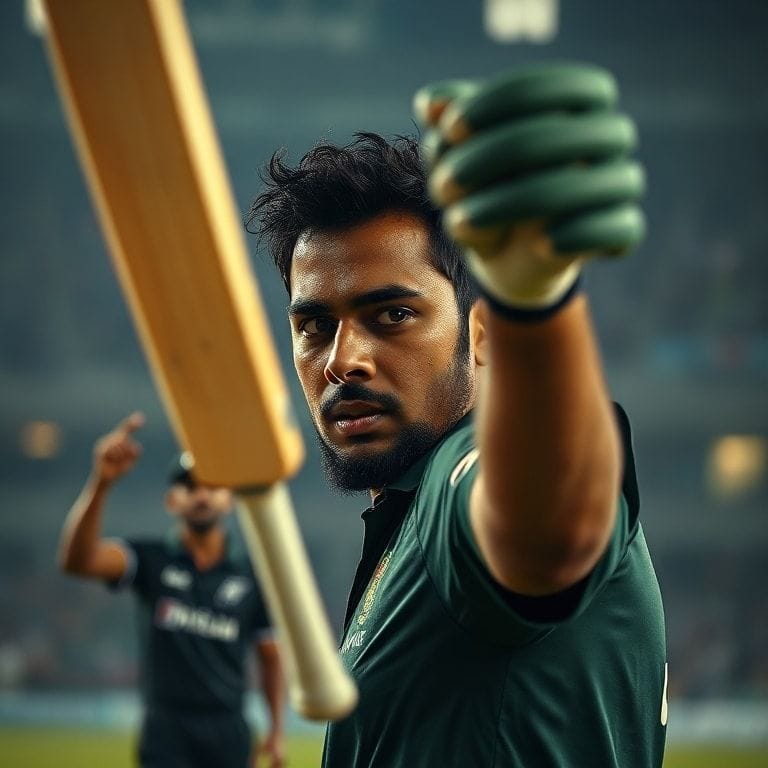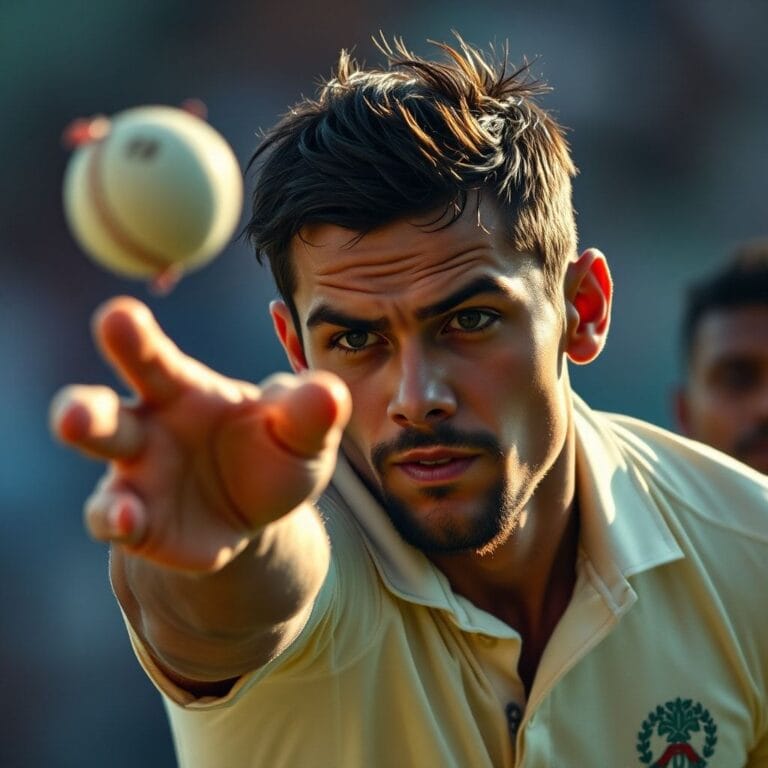
India vs New Zealand T20 World Cup Final 2026 Highlights
T20 World Cup Final 2026: A Battle of Bat, Ball, and Brilliance
The final of the ICC Men’s T20 World Cup 2026 turned the Narendra Modi Stadium into a theater of extremes. India piled up a record 255 runs, while New Zealand’s Rachin Ravindra produced a fielding masterpiece that sent captain Suryakumar Yadav back for a duck. Both moments shaped a match that will be dissected for years.
Opening Assault and the Powerplay Parade
India chose to bat first, a decision that paid off instantly. The openers ripped through the first six overs, reaching 92 for no loss. Abhishek Sharma’s blistering 52 off 18 balls set the tone, his bat flashing like a lightning bolt across the Ahmedabad sky. Sanju Samson, playing the anchor role, paced a near-century 89 off 48, while Ishan Kishan added a rapid 54 off 25 to keep the run rate humming above twelve per over. The partnership between Samson and Kishan was the engine that drove the innings past the 200-run barrier.
Rachin Ravindra’s Game-Changing Grab
When New Zealand finally broke through in James Neesham’s 16th over, the wicket fell in dramatic fashion. After losing Samson and Kishan, India turned to its captain for a finishing flourish. Suryakumar Yadav tried a classic sweep flick, a shot that usually finds the fence. Ravindra, sprinting from deep backward square leg, launched into a full-length dive and snatched the ball mid-air. The catch was a blend of raw speed, keen anticipation, and flawless technique. Even as the stadium fell silent, the moment reminded everyone that fielding can shift momentum as sharply as a six.
The Stats Behind the Strategy
| Inning | Runs | Wickets | Run Rate (RR) | Top Scorer (SR) |
|---|---|---|---|---|
| India 1st | 255 | 5 | 12.75 | Shivam Dube 26 (8) – 325% |
| NZ 2nd | 150/8 | 8 | 7.50 | Michael Bracewell 38 (28) – 135% |
The figures reveal why India never looked back after the early wicket. Even with Yadav’s dismissal, the run-rate stayed above eleven, thanks to a deep-batting order that could accelerate at will. New Zealand’s chase, by contrast, never breached eight runs per over, and the pressure of a shrinking target manifested in a spate of dot balls after the 15th over.
Player Roles and Mindset
India’s top order displayed a clear hierarchy. The openers treated the Powerplay as a canvas for aggression, while the middle order adopted a blend of consolidation and acceleration. Samson’s innings was a textbook case of pacing – he steadied the ship after the early fireworks, then took off once the field moved up.
- Samson: Anchor, playing 48 balls, striking at 186%.
- Kishan: Finisher, 25-ball blitz, 216%.
- Dube: Death-over specialist, 8-ball onslaught, 325%.
Ravindra, usually a lower-order bowler, entered the field with an aggressive mindset. Knowing the match hung on a single wicket, he positioned himself deep, anticipating a flick. His athleticism became a talking point across social media, turning him into an overnight hero despite New Zealand’s eventual loss.
Venue Influence on Player Choices
Ahmedabad’s Narendra Modi Stadium is renowned for its flat, hard surfaces that favor batsmen. The bounce is predictable, yet the pitch can become a little slower after the ten-over mark, rewarding players who can generate power through the wrists. Samson’s lofted punches and Dube’s scoops exploited the minimal turn, while the New Zealand bowlers found little assistance from the seam, evident in Lockie Ferguson’s 24 runs per over.
Ravindra’s fielding brilliance also ties to the venue’s spacious outfield. The distance from the square leg boundary stretches to roughly 80 meters, creating room for a deep dive. His split-second decision to cover that ground would have been less dramatic on a smaller ground where the ball might have crossed the rope.
Tournament Impact and What Lies Ahead
India’s 255-run total resets the benchmark for finals. The score will loom over every opponent in the next edition, forcing teams to rethink their batting approaches in high-pressure games. For New Zealand, the loss highlights a reliance on early wickets; they’ll likely seek deeper middle-order firepower to cushion setbacks.
The tournament’s point-system rewards net run rate heavily, and India’s overwhelming margin will boost their standing in the ICC rankings, cementing their status as the team to beat. Younger players like Dube have announced themselves as future mainstays, while veteran Sharma’s aggressive opening template could become a template for coaches worldwide.
Fans, Feelings and Ground-Level View
The crowd of 130,000 experienced a roller-coaster. When the opening partnership exploded, cheers roared like thunder. The sudden hush after Yadav’s wicket sparked disbelief, many fans posting “Did that just happen?” across platforms. Yet the resilience of the Indian side turned the silence into a chant of confidence as the runs kept piling.
New Zealand supporters, though disappointed, celebrated Ravindra’s catch as a moment of pride. It reminded them that even in defeat, brilliance can shine. In the pubs of Auckland and Wellington, conversations are already shifting from “We lost” to “That catch was world-class – we’ll bounce back.”
Looking Forward
The next big challenge for India will be the 2027 Champions Trophy, where the conditions in England will test the adaptability of their current lineup. For New Zealand, the focus will be on grooming a deeper batting order that can handle the chase without relying on a single hero. And for fans worldwide, the match will be remembered as a blend of raw power and slim-line athleticism – a recipe that keeps the T20 format endlessly thrilling.
Cricket Desk: Want more on Ahmedabad cricket? Check out our Ahmedabad cricket Latest News & Stats.