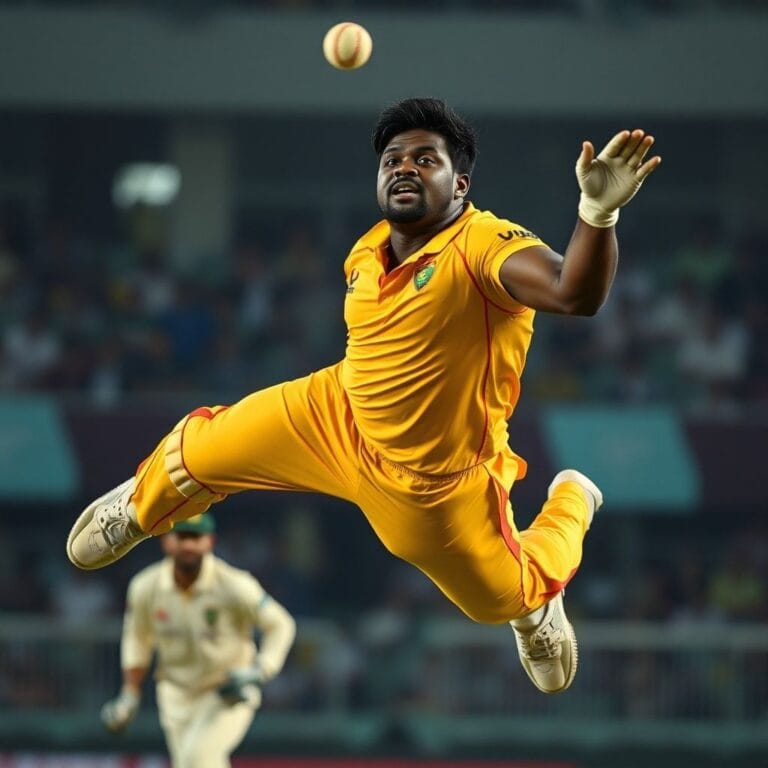
Sanju Samson’s T20 World Cup Knockouts: How India’s No.3 Dominated
Sanju Samson’s Near-Century Surge: Tactical Brilliance Behind India’s T20 World Cup Final Push
Sanju Samson’s exploits in the 2026 T20 World Cup have become the talk of the tournament, not just because of the runs he piled up but also because of his candid post-match remarks. The innings that took India to the final were a blend of timing, aggression and a calm mind, and they raise questions about how the team will finish the job.
How India navigated the knockout gauntlet
India entered the Super 8 stage with a mixed bag of performances, yet the biggest pressure-point arrived on March 1 at Eden Gardens when the West Indies set a target of 196. The ground’s slow-turning surface, combined with a heavy, damp outfield, favoured bowlers who could exploit the low bounce. Samson walked in at number three, knowing the run-rate would need to creep above ten runs per over. He chose to play the ball late, using the width of the square leg region, and soon turned the chase into a controlled sprint.
Four days later, the Wankhede Stadium offered a contrasting canvas. The pitch was flat, the outfield quick, and the breeze from the sea kept the ball in the air for a while. The opposition England had a fire-brand opening pair, but Samson’s decision to attack from ball one, especially against the seamers’ short of a length, changed the momentum before the middle overs even began. His 89 off 42 balls forced England into a defensive stance they never recovered from.
The Stats Behind the Strategy
| Match | Venue | Runs | Balls | SR | Boundaries | Sixes |
|---|---|---|---|---|---|---|
| India vs West Indies (Super 8) | Eden Gardens | 97* | 50 | 194.00 | 12 | 4 |
| India vs England (Semi-final) | Wankhede Stadium | 89 | 42 | 211.90 | 8 | 7 |
The numbers tell a simple story: Samson accelerates when the pitch offers any assistance, turning potential anchors into seize-the-moment hitters. In the Eden Gardens game his strike-rate hovered just under 200, but the extra two sixes pushed the total past the 180-run barrier that historically wins most chases on that ground. At the Wankhede, his strike-rate topped 210, a figure that only a handful of T20 World Cup players have ever reached in a knockout encounter.
Reading the mind of a wicket-keeper-batter
Samson’s off-field demeanor – light-hearted, candid, and occasionally philosophical – mirrors a batter who trusts his own process. He repeatedly emphasized that “97 and 89 are big things”. That comment reflects a mental model where a near-century is more valuable than a century that arrives too late in the innings. By refusing to chase the phantom centuries, he preserved his natural game plan: dominate the powerplay, keep the run-rate fluid, and let the partnership carry the chase.
His willingness to laugh about the missed milestones also signals a team culture that values composure over flamboyance. The leadership group, led by the captain, appears comfortable letting a player own his narrative, which in turn keeps the dressing room focused on collective goals rather than individual stat-chasing.
Team tactics: why India stuck with Samson at No 3
- Early powerplay: the new ball at Eden Gardens offered swing, but Samson’s low-outside-off strategy forced bowlers to bowl fuller, creating scoring opportunities.
- Middle-overs anchor: after the first six overs, his role shifted to stitching together partnerships, evident from his 97* where he shepherded the tail.
- Finisher on a flat surface: at the Wankhede his promotion to the top of the order gave the team a platform to post a massive total, removing pressure from the tail.
These decisions stem from a clear reading of venue characteristics. The coaches used data on bounce height, outfield speed, and historical average first-innings scores to decide where to unleash Samson’s aggression.
Impact on the tournament and the road ahead
India’s path to the final now hinges on a blend of disciplined bowling and the ability to finish games when the pressure spikes. Samson’s two near-centuries have already set a benchmark for the batting line-up: an innings that builds momentum early, accelerates in the middle, and leaves the opposition scrambling.
If the final lands on a venue similar to the Wankhede – flat, with a quick outfield – the expectation will be for Samson to start aggressively again, possibly even opening. On a slower, turning surface, the team may retain him at No 3, letting the openers lay a steady foundation before his explosive phase.
The next opponent will likely analyse his recent dismissals – a caught-behind off a short-of-length delivery and a mistimed slog-sweep – to craft a plan. But Samson’s own comment about “luck playing its part” hints that he can adapt. His experience in chasing big totals will be a decisive factor, especially if the final becomes a low-scoring affair requiring every run.
Fans, expectations and grounded opinions
Supporters have turned Samson into a household name almost overnight. The social-media buzz ranges from memes about “the two missing centuries” to heartfelt tributes about his calm under fire. Yet the realistic voice among them reminds that T20 cricket is a team sport; a single innings, however spectacular, cannot win a title alone.
Grounded fans point out that India’s bowling unit still needs to crack the powerplay consistently. The absence of a specialist death bowler in the last over remains a small worry. Still, the general sentiment leans towards optimism: a batter who can swing the momentum and a captain willing to let him play his natural game are ingredients for success.
Samson’s performance has reshaped the narrative of India’s campaign. The question now is whether the rest of the squad can match his intensity and whether the final’s conditions will amplify or mute his style.
Cricket Desk: Want more on 2026 T20 World Cup? Check out our 2026 T20 World Cup Latest News & Stats.