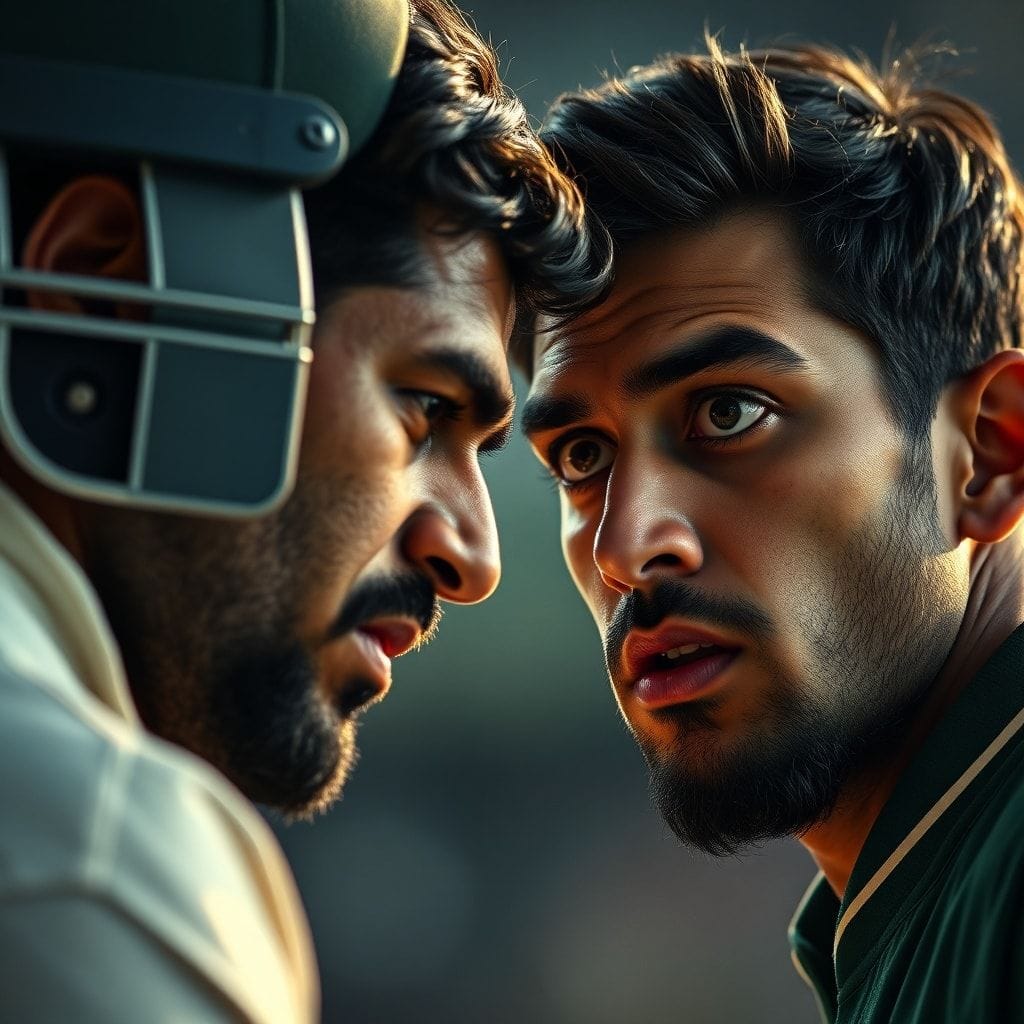
Mohammad Kaif Slams Mohammad Amir Over India vs England Semi-Final Remarks
Former Indian Batter Slams Mohammad Amir Ahead of Semi-Final Clash
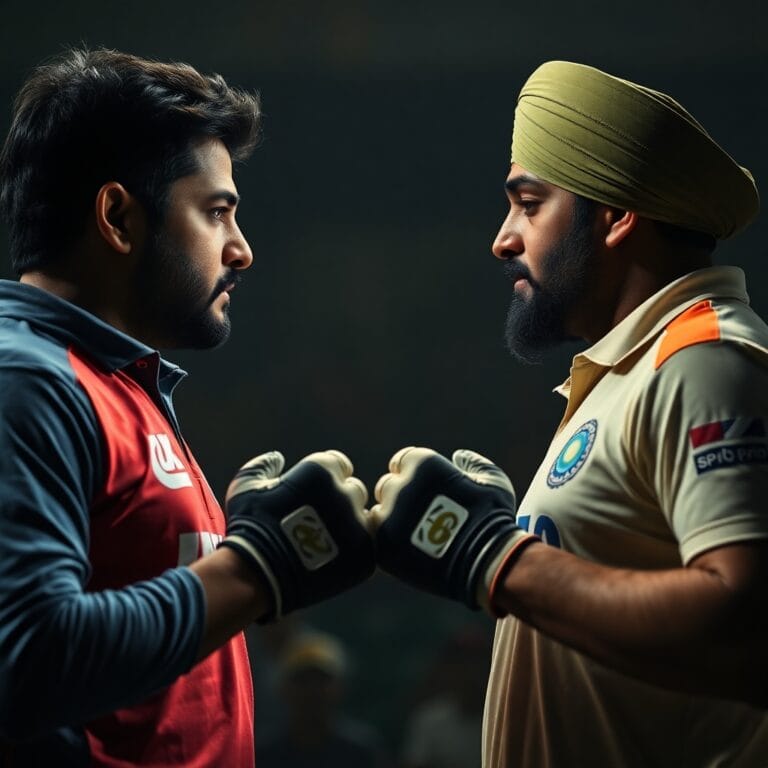
The semi‑final clash between India and England at Mumbai’s Wankhede Stadium has become the talk of the tournament, not just for the on‑field fireworks but for a heated exchange of words between former Indian batter Mohammad Kaif and ex‑Pakistan pacer Mohammad Amir. The dispute adds a human drama layer to a match that could decide the champion of the 2026 T20 World Cup.
India arrive as defending champions, having survived a knockout‑stage scare against the West Indies with a 196‑run chase powered by Sanju Samson’s 97*. England, fresh from a dominant group performance, see the Mumbai pitch as an arena where their power hitters can exploit any wobble in India’s middle order. The narrative off the field — Kaif’s rebuke of Amir’s pre‑match predictions — fuels fan chatter and raises the stakes for both sides.
The Stats Behind the Strategy
| Player | Matches (T20 WC) | Avg | SR | Economy |
|---|---|---|---|---|
| Jasprit Bumrah | 9 | 27.4 | 138 | 6.7 |
| Harry Brook | 8 | 31.2 | 142 | 7.4 |
| Sanju Samson | 9 | 45.6 | 150 | 8.1 |
| Mohammed Amir (2024 WC) | 4 | 19.8 | 122 | 9.2 |
The numbers tell a clear story. Bumrah’s economy sits well under seven, a critical factor on a Wankhede surface that offers a little bounce but can reward precise yorkers. England’s Harry Brook boasts a higher strike rate, meaning his aggressive intent could test India’s field placements. Samson’s recent surge in average and strike rate underlines why the Indian batting order feels confident chasing big totals.
Tactical Landscape at Wankhede
Wankhede’s pitch historically favors a balanced contest: the batsmen get a short bounce early, but as the game progresses the surface slows, offering seamers a bit of lateral movement. Bumrah’s skill set aligns perfectly with this arc. His pre‑planned yorker lengths into the block hole have repeatedly forced England’s lower order into a scramble for runs. The Indian captain, likely to keep him on a full quota, will also rotate the spin duo of Yash Dhull and Rahul Chahar to chip away at the middle overs.
England’s plan revolves around a rapid start from the opening pair, Jonny Bairstow and Jos Buttler. If they can breach the 50‑run mark in the powerplay, they will press the Indian bowlers hard. A hidden weapon for England could be left‑arm spinner Adil Rashid, who has taken two wickets on the second day of a previous T20 World Cup at Wankhede by exploiting the slight turn that appears after ten overs.
Player Mindsets and the Media Sparks
Mohammad Kaif, now a YouTube commentator, used his platform to call out Amir’s critiques. Kaif’s tone was more about defending national pride than dissecting cricket tactics. He reminded viewers of Amir’s own stumble in the 2024 World Cup Super Over against the USA, where wides and missed lines cost Pakistan the match. By spotlighting that moment, Kaif tried to shift the conversation from speculation to performance.
Mohammad Amir, for his part, has a habit of making bold statements to stay visible in the cricketing discourse. His claim that India would not even reach the final, followed by a later insistence that they would fall short against England, appears designed to provoke reactions. Whether his comments stem from genuine analysis or a desire for headline space, they have inadvertently added a psychological edge to the semi‑final.
Impact on the Tournament and What Lies Ahead
If India lifts the trophy, they will become the first side to retain the T20 World Cup, cementing a legacy that few teams have achieved. A loss could spark fresh debates about over‑reliance on Bumrah and the middle‑order fragility that Amir highlighted. England’s path to the final will likely entail a solid defensive effort, especially if they can keep the run rate under eight in the middle overs.
The semi‑final also serves as a litmus test for how teams handle external pressure. Kaif’s fiery response shows that Indian fans and former players are unwilling to let criticism slide. For Pakistan, Amir’s commentary could be a cautionary tale about the fine line between constructive analysis and fueling rivalries.
Fans in the Stands and On the Streets
In Mumbai, street banners read “India – Unstoppable” while some cricket forums buzz with debates about whether Amir’s doubts have any merit. Many fans appreciate Kaif’s ‘defensive’ stance, feeling it reinforces a collective confidence that the team draws strength from. On social media, memes of Amir’s statements juxtaposed with India’s past victories have gone viral, highlighting how quickly cricket narratives turn into digital storytelling.
From a neutral observer’s angle, the semi‑final promises a clash of styles: India’s measured, spin‑heavy approach against England’s power‑hitting aggression. The added drama from the Kaif‑Amir exchange gives fans a storyline that extends beyond the boundary ropes, reminding everyone that cricket is as much about emotions as it is about runs and wickets.
Whatever the outcome, the match will be remembered for the blend of high‑octane cricket and a media duel that reminded us how closely intertwined sport and conversation have become.
Cricket Desk: Want more on India vs England? Check out our India vs England Latest News & Stats.