South Africa’s T20 World Cup Semi-Final Collapse at Eden Gardens
Why South Africa Faltered at Eden Gardens and What It Means for the T20 World Cup
South Africa’s semi‑final exit at the 2026 T20 World Cup sparked a flurry of analysis after a nine‑wicket defeat to New Zealand at Eden Gardens. Captain Aiden Markram’s post‑match comments give a window into the missteps that turned a promising chase into a costly loss.
Match Context and the Early Toss Dilemma
Winning the toss in Kolkata often feels like a gamble. The Proteas elected to bowl, hoping to exploit early moisture, but the decision back‑fired when New Zealand’s openers ripped through the top order. The 33‑ball century by Finn Allen set a tone that South Africa could not match, forcing them into a reactive mindset from the outset.
Tactical Analysis and Team Decisions
Markram’s innings reflected a clear shift: after a tentative start, he tried to accelerate while wickets tumbled around him. The middle‑order, built around the power‑play, lacked a clear fallback plan. South Africa’s bowlers, especially the seamers, stuck to a fuller length that New Zealand capitalised on, while the spinners received limited overs despite the surface showing signs of grip later in the innings.
- Bowling first: The decision ignored Eden Gardens’ reputation for a quick start followed by a slower, turning track after five overs.
- Batting order rigidity: Markram opened, but the team did not shuffle the lower order to counteract the aggressive New Zealand start.
- Power‑play execution: South Africa’s power‑play run‑rate of 6.7 fell well below the 9+ required against a high‑scoring opposition.
The Stats Behind the Strategy
| Metric | South Africa | New Zealand |
|---|---|---|
| Runs in first 6 overs | 45 | 84 |
| Wickets lost in power‑play | 3 | 0 |
| Boundary count (4s+6s) | 12 | 28 |
| Run‑rate after 10 overs | 7.2 | 11.3 |
| Overs faced by New Zealand to chase | 12.5 | — |
The numbers paint a stark picture. New Zealand’s opening partnership alone outscored South Africa’s entire innings by a wide margin, highlighting the impact of an aggressive start on a batting‑friendly pitch.
Player Roles, Mindset, and the Surface Factor
Markram’s own admission centred on reading the conditions. Eden Gardens in March offers a dual personality: a flat surface for the first few overs, then a subtle seam and low bounce that can trap batters who mis‑time their shots. The Proteas’ top order, accustomed to South African bounce, struggled to adjust, leading to a series of mistimed drives that fell short or landed low on the bat.
Finn Allen, on the other hand, displayed textbook adaptation. He shifted his stance early, using the extra pace to hit through the line, while Tim Seifert played the supporting role, rotating the strike and exploiting the gaps left by the Proteas’ attacking field placements.
From a bowling perspective, the Proteas leaned heavily on their pace attack, delivering lengths that were “quite full”, as Markram noted. In Kolkata’s early conditions, a slightly shorter length would have induced more mistimed drives. The spinners, who could have been the damage control after the power‑play, received only four overs combined, limiting their impact on a surface that started to offer turn after the tenth ball.
Tournament Impact and What Comes Next
New Zealand’s victory propels them into a final against either India or England, both of whom have shown depth in both batting and bowling departments. For South Africa, the semi‑final loss forces a look at squad balance ahead of the next major tournament. Potential changes could involve integrating more adaptable middle‑order players who can anchor an innings when early wickets fall.
The Proteas’ campaign up to the semi‑final was impressive: a 150‑plus total against Pakistan, tight bowling against England, and a brisk chase against Sri Lanka. Yet the semi‑final exposed a gap in contingency planning. Going forward, South Africa might experiment with a flexible batting order, giving the middle‑order the freedom to rebuild after a quick wicket loss rather than pushing for rapid acceleration.
Fan Perspective and Grounded Opinion
South African supporters expressed a mix of disappointment and understanding. Social media threads highlighted the frustration over the toss loss, yet many praised Markram’s honesty in post‑match interviews. A recurring sentiment was the belief that the team could have “grinded” to 180‑190 rather than chasing 170‑180 with an aggressive mindset.
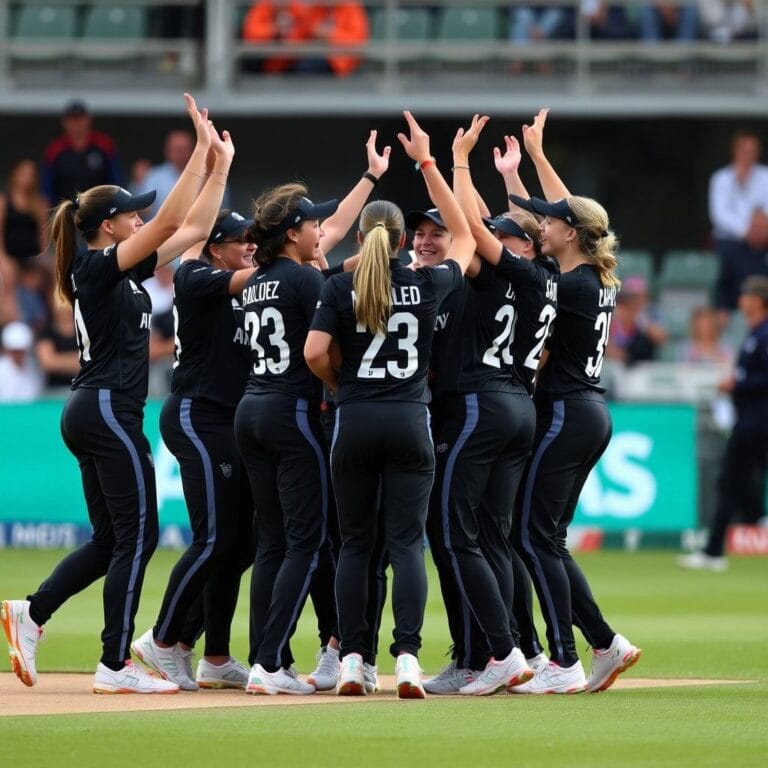
New Zealand fans, meanwhile, celebrated a historic century and a decisive victory that felt like a statement of intent. The rapid chase reinforced the notion that New Zealand’s top order can dominate on any surface, a confidence boost heading into the final.
the semi‑final served as a reminder that in the shortest format, adaptability often trumps raw power. South Africa will have to recalibrate, while New Zealand rides the momentum of a record‑breaking century into what promises to be a thrilling finale.
Cricket Desk: Want more on Aiden Markram? Check out our Aiden Markram Latest News & Stats.