CSK’s IPL 2026 Revival: Dhoni’s Leadership and Squad Rebuild
CSK’s Pre-Season Revival: Dhoni’s Dance, Data Tactics, and a Rebuilt Squad
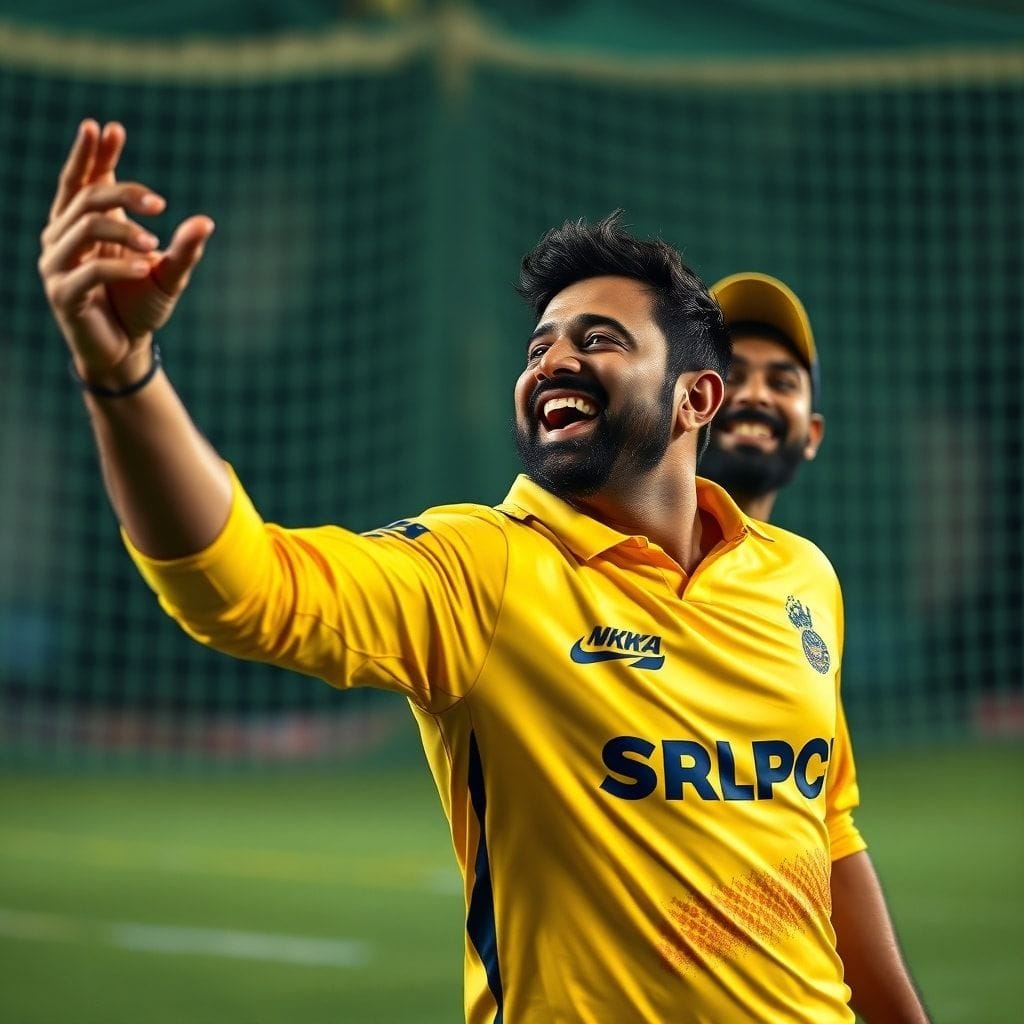
Chennai Super Kings have kicked off their IPL 2026 preparations with a blend of seriousness and silliness, highlighted by a viral moment where MS Dhoni turned a wide signal into an impromptu dance. The clip has become a rallying point for fans eager to see the yellow army bounce back after a dismal 2025 finish.
The Stats Behind the Strategy
| Player | 2025 Avg | 2026 Target | Venue Trend |
|---|---|---|---|
| Ruturaj Gaikwad | 38.5 (SR 138) | 45+ runs at Chennai (green top) & Delhi (hard bounce) | Excels on fast, true pitches; struggles on low‑bouncy surfaces |
| Prashant Veer | — (uncapped) | 30‑40 runs on spin‑friendly turns | Ideal on Kolkata (slow dry) and Bengaluru (green‑top) |
| Kartik Sharma | — (uncapped) | 20‑30 runs, high strike rate on short‑runways | Suited to Mumbai’s hard, abrasive surface |
| Rahul Chahar | 17.2 (SR 112) | Economy < 7.0 on flat tracks | Effective on Dhaka‑like slower pitches |
| Sanju Samson | 42.1 (SR 151) | 50+ runs in chase, especially on low‑bounce tracks | Dominates in Colombo and Karachi conditions |
These numbers shape CSK’s lineup decisions. The coaching staff is matching each player’s statistical sweet spot with venue characteristics, turning the auction haul into a data‑driven puzzle.
Why the Dance Matters More Than a Meme
Dhoni’s wide‑signal shimmy is more than social media fodder. At 44, he knows that a team’s morale is a measurable asset. The video shows senior players loosening up, younger men like Ayush Mhatre cracking smiles, and the whole camp breathing a little easier after a bruising season.
From a tactical angle, Dhoni also hinted at a subtle equipment change – a lighter 1.23 kg bat. The shift promises quicker bat swing, higher bat‑speed, and better adaptation to the tight edges required on low‑bounce surfaces like the Chepauk’s hard‑packed stands. If his strike rate climbs even a few points, it could tip tight chases in CSK’s favour.
Team Blueprint: Youth, Experience, and Flexibility
The past year forced CSK into an unwanted experiment when Gaikwad’s injury thrust Dhoni back into the captain’s role. This season, the plan is clear: use Dhoni’s calm to shepherd a core of youngsters while still relying on seasoned hands for crunch moments.
- Opening Pair: Gaikwad and Rahul Chahar will set a steady platform. Gaikwad’s aggressive start suits fast, true wickets; Chahar’s spin offers early breakthroughs on slower tracks.
- Middle Order: Sarfaraz Khan and Prashant Veer provide a blend of power and grit. Veer’s game thrives on spin‑friendly surfaces, making him a potential match‑winner in Kolkata.
- Finisher Slot: Dhoni, despite his age, remains a tactical finisher. His calm under pressure, paired with a lighter bat, could see him finish games in a handful of deliveries.
- All‑round Reinforcement: Shivam Dube and Sanju Samson will join after the T20 World Cup. Their availability adds depth, especially on pitches where big hitting is needed.
The coaching panel, led by assistant coaches Sridharan Sriram and Rajiv Kumar, is emphasizing flexibility. Practice sessions rotate bowlers to mimic venue‑specific conditions – a mix of fast, short‑run, and turn‑heavy deliveries – ensuring each player can pivot mid‑tournament.
Mindset Shifts: From Survival to Dominance
Last season’s bottom‑table finish forced a mental reset. The camp’s vibe, amplified by Dhoni’s dance, shows a shift from mere survival to a belief in “Thala magic” returning. Players speak of “playing for the badge” rather than just individual milestones.
Gaikwad, now a seasoned skipper, has taken a coaching‑style approach, often asking bowlers to experiment with lengths in the nets. This collaborative method aims to foster a self‑correcting unit where decisions are made on the field, not dictated from the bench.
Impact on the Tournament Landscape
CSK’s revamp sends ripples through the IPL field. Their blend of high‑priced uncapped talent and seasoned hands means they could challenge the traditional powerhouses – Mumbai, Delhi, and Punjab – earlier than expected. If Veer and Sharma deliver, other franchises may look harder at the uncapped market, shaking up future auctions.
The timing is crucial. The IPL starts on March 28, giving just three weeks for the World Cup‑bound stars to integrate. Their late arrival forces CSK to start the tournament without two of its biggest weapons, but it also creates a “sleeper” effect – opponents may underestimate a side that appears incomplete.
What Fans Can Expect
Supporters in Chennai have already started chanting “Thala Power” on social media. The vibe in the high‑performance centre suggests a camp that enjoys the grind. Fans will likely see a more aggressive batting approach, especially during powerplays, and a willingness to take short‑run risks on middle overs.
On the field, expect Dhoni’s signature calm signalling, perhaps even a few more dance‑like gestures when a wide calls for a moment of levity. Those moments could become the season’s meme, but they also underline a deeper truth: a relaxed mind makes sharper decisions.
CSK’s pre‑season narrative is about turning a laugh into a launchpad. The mix of data‑driven player‑venue pairing, a clear hierarchy, and a relaxed yet focused camp could see the yellow army rewrite the story of a bottom‑table finish into a title challenge.
Looking Ahead
With the first match looming, CSK’s next steps are simple: lock in opening partnerships, settle Veer and Sharma’s roles, and keep morale high. If the early games showcase the blend of youthful aggression and seasoned composure, the tournament could become a showcase of how a single dance sparked a revival.
Cricket Desk: Want more on Chennai Super Kings? Check out our Chennai Super Kings Latest News & Stats.