India’s 196-run chase vs West Indies: Key tactics and stats
India’s Record Chase Against West Indies: Tactics, Stats, and Semifinal Hopes
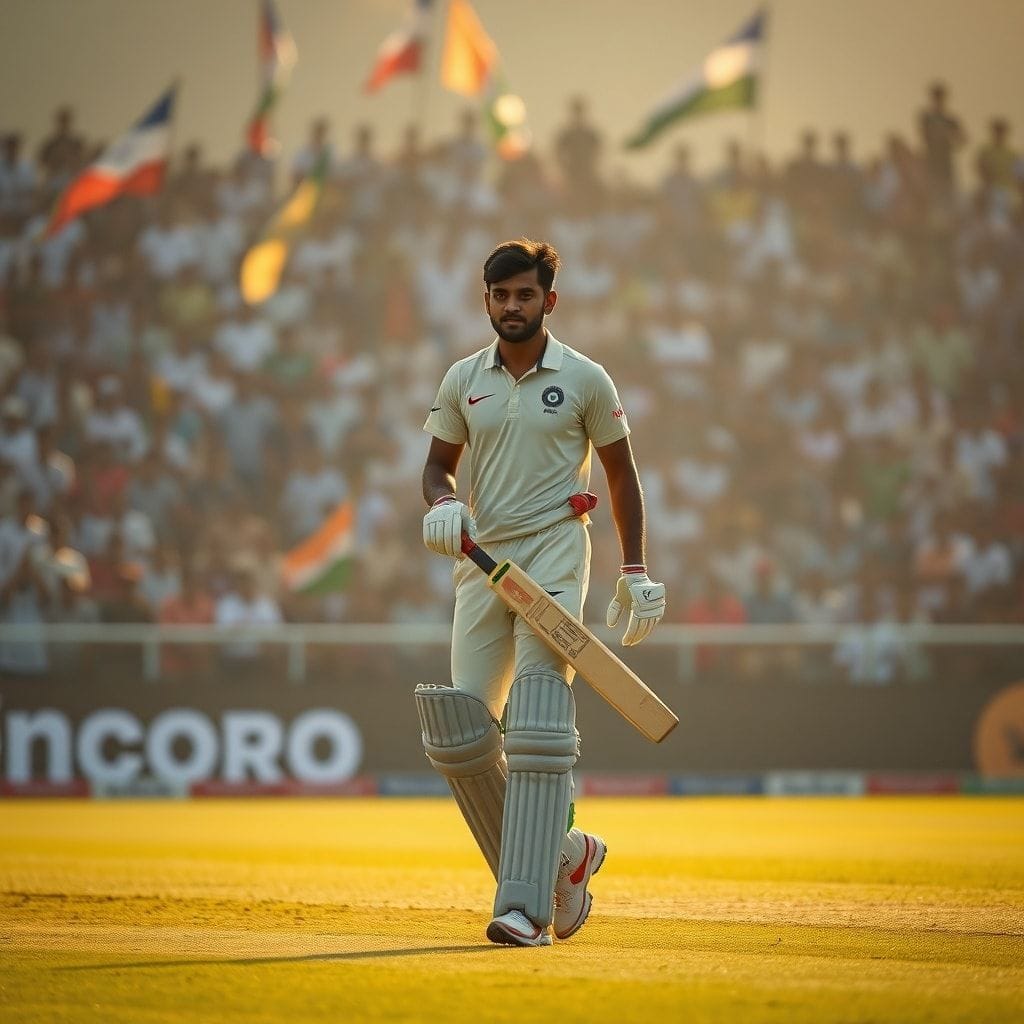
The viral claim that Bollywood actress Urvashi Rautela was cheering for Team India in a Lucknow Super Giants jersey at Eden Gardens has been debunked, but the real drama unfolded on the field. India’s record chase of 196 against the West Indies not only secured a semifinal spot but also sparked a fresh wave of discussion about tactics, player mindset, and fan culture.
India entered the Super 8 clash needing a massive total after a shaky start to the tournament. The West Indies, known for their aggressive opening pair, set a target that seemed daunting for any side. What followed was a blend of calculated aggression and calm execution that turned the game into a case study for modern T20 cricket.
The Stats Behind the Strategy
| Metric | India | West Indies |
|---|---|---|
| Target chased | 196 | 196 (set) |
| Runs scored (top 3) | Sanju Samson 97* (50), Shubman Gill 42 (28), Ruturaj Gaikwad 28 (16) | John Campbell 48 (34), Shimron Hetmyer 37 (22), Nicholas Pooran 31 (19) |
| Strike rate (team) | 138.2 | 124.5 |
| Wickets lost | 5 | 7 |
| Key bowler economy | Jasprit Bumrah 3.2 | Arshdeep Singh 5.1 |
The numbers tell a simple story: Samson’s near‑century anchored the chase, while Bumrah’s tight spell in the death kept the West Indies from building a comfortable lead. India’s strike rate hovered just above 138, a figure that reflects a balanced approach – aggressive when the ball was on the deck, cautious when wickets fell.
Match Context and Tactical Decisions
Eden Gardens is famous for its long side‑on track that rewards players who can swing the ball early and then extract bounce later. India’s toss win allowed them to bowl first, a decision that leaned on their pace attack to exploit the morning moisture. Bumrah opened with a probing line, picking up two early wickets and forcing the West Indies into a defensive mindset.
When the chase began, captain Hardik Pandya elected to open with Shubman Gill and Ruturaj Gaikwad, both adept at handling the seam and the extra bounce. The opening partnership put on 45 runs in 30 balls, easing the pressure and setting a platform for Samson to come in at 20.5 overs. Samson, a right‑hander who thrives on slower, turning surfaces, timed his innings perfectly for the flat middle overs, rotating the strike and punishing any short deliveries.
Player Roles, Mindset, and Venue Linkage
Sanju Samson’s game is built around his ability to read the length early and use his wrist to turn the ball on surfaces that offer a little grip. Eden Gardens, with its dry red soil, often dries out quickly, turning into a semi‑slow track after the lunch break. Samson’s familiarity with such conditions – he grew up playing on similar wickets in Mumbai – allowed him to stay ahead of the bowlers, especially the spinners who came on after the 12th over.
Jasprit Bumrah’s role was clear: contain runs and snatch wickets in the powerplay and the final overs. His “one‑step‑back” length worked well on a pitch that had a slight pace early on but slowed later, denying the West Indies any easy boundaries.
Hardik Pandya’s decision to promote himself to the fifth spot paid off. With the required run‑rate climbing, his aggressive swing gave India a needed boost, turning 17 runs off 10 balls while maintaining a high strike rate.
Tournament Impact and What Comes Next
India’s win catapulted them into the semifinal against England at Wankhede Stadium, a venue that traditionally assists seamers with its lively pitch and short boundaries. The upcoming match will test India’s ability to adapt from the bounce‑friendly Eden Gardens conditions to a seam‑friendly surface.
If India can replicate the balance shown against the West Indies – disciplined death bowling and a top‑order capable of building steady partnerships – they stand a good chance of reaching the final. England’s batting depth and aggressive intent will make the semifinal a high‑octane encounter, but the momentum from a historic chase could be the psychological edge India needs.
Fan Perspective and Grounded Opinions
The social media buzz around Urvashi Rautela’s alleged presence at the stadium highlighted how quickly off‑field narratives can distract from the game itself. Fans on the ground and online were more interested in Samson’s calm finish than any celebrity speculation. The debunked image served as a reminder that cricket’s drama resides on the field.
Supporters appreciate the way India handled pressure, especially after a shaky start to the tournament. The chase demonstrated that the team can recover from early setbacks and still produce match‑winning innings. Many fans are already calling Samson the “new clutch player” for his ability to anchor chases under lights.
Looking ahead, the Indian camp will likely keep their focus on the cricket, letting the noise fade. The next challenge at Wankhede will demand a different strategy – perhaps a stronger emphasis on early wickets and disciplined powerplay batting. If they can translate the confidence from Eden Gardens into a solid start against England, the road to the title looks brighter than ever.
Cricket Desk: Want more on 2026 T20 World Cup? Check out our 2026 T20 World Cup Latest News & Stats.