Suryakumar Yadav’s Bow to Sanju Samson Seals T20 World Cup Chase
Suryakumar’s Bow to Samson Defines India’s T20 World Cup Redemption
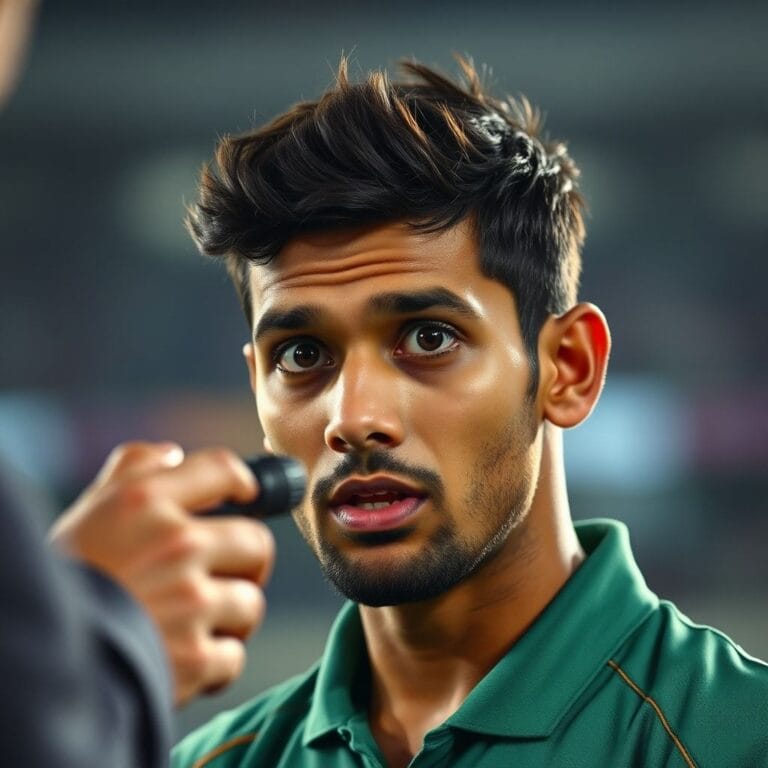
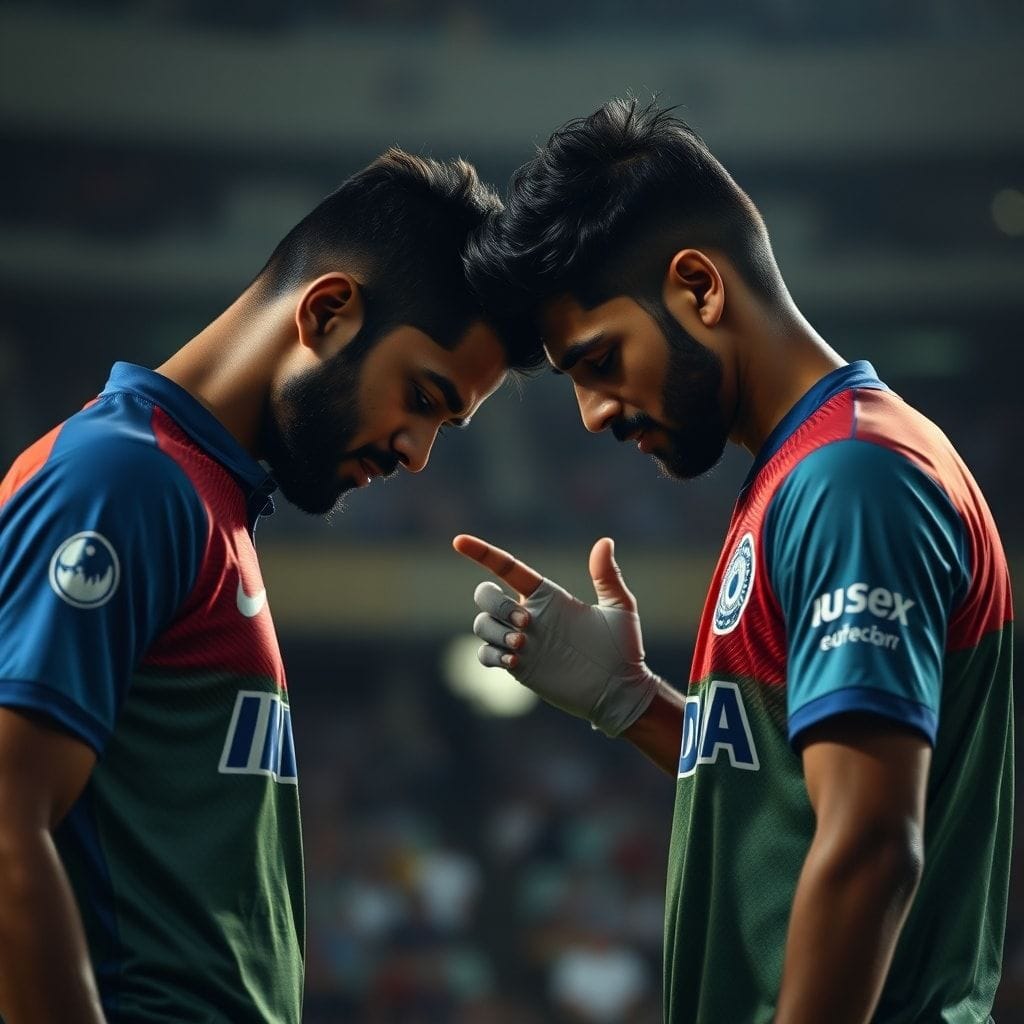
India’s chase of 196 against the West Indies at Eden Gardens sent shockwaves through the T20 World Cup, and the moment that stole headlines was captain Suryakumar Yadav’s heartfelt bow to Sanju Samson after the win. The gesture sparked a wave of internet love and underlined a turning point for a side that finally clicked in a high-pressure knockout.
The Stats Behind the Strategy
| Metric | India | West Indies |
|---|---|---|
| Target chased | 196 runs (100% success) | 196 runs (defended) |
| Run rate required | 9.8 per over | 9.8 per over |
| Samson’s strike rate | 194.0 | – |
| Boundaries (fours+sixes) | 16 (12 fours, 4 sixes) | 9 (6 fours, 3 sixes) |
| Wickets lost | 5 | 7 |
| Powerplay runs | 84 | 62 |
The table shows why the chase was a statistical masterpiece. Samson’s strike rate of 194 dwarfs most T20 chase averages, and the team’s ability to keep the required run rate just under 10 throughout the innings reflects a calculated aggression from the get-go. The powerplay contributed over 40% of the total, a deliberate move by Yadav to let the openers set a platform before handing the reins to the middle order.
Tactical analysis and team decisions
From the toss, the Indian camp opted to field first, banking on the damp Kolkata surface that was likely to offer early seam swing. West Indies’ pacers – especially the left-arm quick – nipped at the edges, yielding early wickets. The decision to send in the regular openers was textbook, but the real twist came at 4.2 overs when Yadav promoted himself to the middle order. By doing so, he created a partnership that allowed Samson to anchor the chase without the pressure of a new-ball swing.
Samson’s role was clear: absorb the early pressure, then unleash when the field spread. His 97 off 50 balls came after he shifted his stance to a slightly open position, a tweak that helped him play the wider outside-off deliveries that the West Indian bowlers resorted to after the initial swing faded. The captain’s calm walk to the boundary after the winning shot also signaled a shift in team culture – rewarding patience and resilience over raw power.
Player roles and mindset
Sanju Samson entered the match with a point to prove. Years of being left out of the first-choice XI had forged a mental fire that finally found oxygen. His innings was a textbook blend of aggression and restraint: he struck the first six in the 12th over, then steadied the ship with a series of fours that rotated the strike and kept the required rate in check.
Suryakumar Yadav, traditionally a finisher, embraced a captain’s responsibility that went beyond field placements. He backed Samson’s ability to grind, allowing the Kerala-born batsman to settle before accelerating. When the run-chase hit the 150-run mark, Yadav’s quick single to Samson set up the final boundary, proving that leadership sometimes means small, precise actions rather than headline-grabbing shots.
Venue link – Eden Gardens and the Kolkata factor
Eden Gardens, with its red-clay soil and humidity, often produces a slower bounce in the evening. The pitch’s “grip” assisted Samson’s back-foot drives, especially on the fifth and sixth deliveries where the ball sat nicely on the deck. The surface’s tendency to flatten out after five overs meant that West Indies’ pacers lost steam, a factor India’s management anticipated and built into their chase plan.
Tournament impact and what comes next
Securing a 196-run chase marks India’s highest successful pursuit in any T20 World Cup edition. The victory not only catapults them into the semi-finals against England but also sends a message: the middle order, once a perceived weakness, is now a weapon. England’s attack, led by experienced seamers, will test India’s lower order, but the confidence boost from the “Kolkata Heist” could be decisive.
Looking ahead, the coaching staff is likely to tweak the bowling rotation, giving the spinners more overs on the Mumbai pitch, which traditionally offers turn. Samson’s role will evolve from “anchor” to “anchor-plus-accelerator,” a hybrid that can adapt to different chase scenarios. The team’s unity – encapsulated by Yadav’s bow – will be the psychological edge when the pressure mounts in a possible final against the host nation.
Fan perspective and grounded opinions
For the Indian fans, the video of the bow became an instant meme, shared across WhatsApp groups and Twitter timelines. Many saw it as a long-awaited apology to a player who has endured a “quiet grind” for years. The gesture resonated because it validated the emotional investment of a section of the fanbase that had long argued for Samson’s inclusion in big games.
Critics, caution against reading too much into a single moment. They point out that India’s batting depth still faces questions when the top order collapses early. Yet the prevailing sentiment in the stands was one of relief and joy – a belief that the side finally discovered its rhythm at the perfect moment.
the chase, the bow, and the viral clip have stitched together a narrative of redemption, teamwork, and the love of the game. As India prepares for the semi-final, the real test comes turning this emotional high into consistent performance on the road to a world title.
Cricket Desk: Want more on 2026 T20 World Cup? Check out our 2026 T20 World Cup Latest News & Stats.