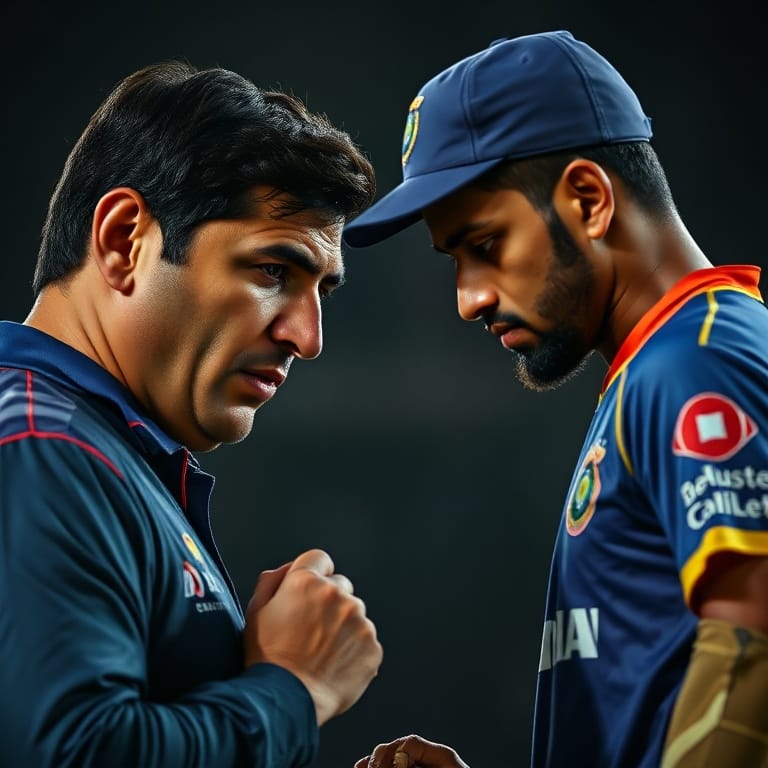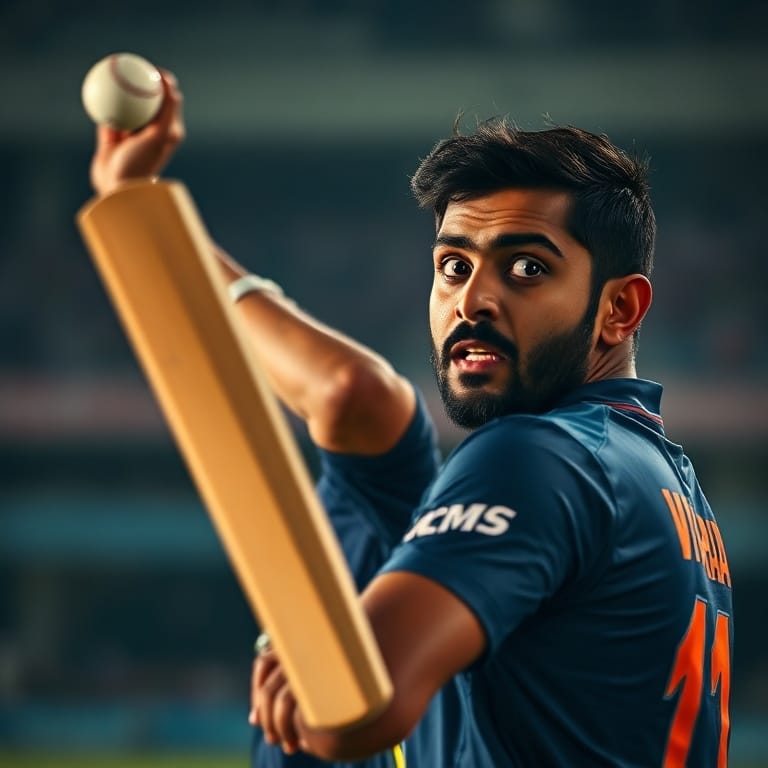
Kiwi Legends in CSK: Matt Henry’s Blind Ranking Breakdown
Matt Henry’s Blind Ranking of Kiwi Legends in CSK: A Tactical and Cultural Reflection
The viral “blind ranking” by New Zealand pacer Matt Henry sparked a fresh wave of debate among CSK supporters during the 2026 T20 World Cup. Henry’s attempt to order ten Kiwi legends who have donned the yellow jersey gave fans a playful lens to revisit how New Zealand talent has shaped Chennai’s fortunes.
Why the Ranking Matters
Beyond the laughs, the exercise touches on a deeper thread: the Kiwi‑India cricketing bridge that has become a hallmark of the Super Kings franchise. Players like Stephen Fleming and Brendon McCullum didn’t just win matches; they left a cultural imprint that still influences selection talk and dressing‑room dynamics today.
The Stats Behind the Strategy
| Player | CSK Matches | Runs (Bat) | Wickets (Ball) | Title Impact |
|---|---|---|---|---|
| Stephen Fleming | 71 | 1,571 | 0 | Captaincy & early leadership |
| Devon Conway | 18 | 658 | 0 | Opening stability |
| Brendon McCullum | 31 | 884 | 0 | Powerplay aggression |
| Scott Styris | 27 | 382 | 12 | All‑round clutch performances |
| Tim Southee | 14 | 76 | 18 | Seam control on Chennai’s green top |
| Jacob Oram | 4 | 45 | 5 | Mentorship as bowling coach |
| Mitchell Santner | 20 | 210 | 22 | Spin on the turning turn at Chepauk |
| Adam Milne | 7 | 15 | 9 | Late‑death pace |
| Daryl Mitchell | 19 | 514 | 0 | Middle‑order power |
| Rachin Ravindra | 6 | 91 | 4 | Emerging all‑rounder |
Match Context and Tactical Angles
Chennai entered the World Cup with a squad that mirrors the tactical blueprint laid out by former Kiwi greats. The wicket at Chepauk is known for a green seam-friendly strip that offers a little bounce early, then settles into a slower, low‑bounce surface as the innings progresses. That dual‑nature suits a blend of swing and spin – exactly what New Zealand specialists provide.
When Matt Henry took the mic, he wasn’t just playing a game of blind placement; he was weighing the impact each player had on that specific venue. Fleming’s strategic batting, for instance, thrived on the early seam swing, while McCullum’s bat flew when the ball slowed down, turning the Powerplay into a demolition phase.
Player Roles and Mindset
Stephen Fleming’s transition from player to coach remains a textbook case of continuity. His calm demeanor, honed on the slow pitches of Napier, translated into a measured approach at Chepauk, where patience pays dividends. Henry’s immediate instinct to crown him number one reflects the respect for that mindset.
Devon Conway’s unflappable temperament mirrors the demeanor required to navigate Chennai’s start‑slow, finish‑fast narrative. He could absorb the early seam and then accelerate once the pitch settled, a quality that made him an ideal choice for the second slot.
Brendon McCullum’s explosive intent was a catalyst during the 2021 title run. His willingness to take on the bowlers from ball one forced opponents to rethink field placements, a strategy that still shows up in the franchise’s current aggressive batting philosophy.
Scott Styris offered a rare combination of hard‑hitting batting and handy medium‑pace, a dual‑weapon that proved decisive during the 2010 and 2011 victories. In the blind ranking, his placement at four acknowledges the all‑round contribution that often goes unnoticed.
Tim Southee, a seam bowler who grew up on the green wickets of Wellington, found a natural home in Chennai’s early‑over conditions. His ability to swing the ball both ways gave CSK a reliable breakthrough option, especially when the opposition tried to settle.
In the lower half, the choices become more about current form than legacy. Mitchell Santner’s left‑arm spin, while effective on the winding turn of Chepauk, was squeezed by the blind format, landing him at seven. Adam Milne’s raw pace makes him a perfect candidate for the death overs, yet the ranking forced him into eighth.
Impact on the Tournament and What Lies Ahead
CSK’s current campaign hinges on balancing that Kiwi legacy with the emerging Indian talent pool. The blind ranking, while light‑hearted, underscores a deeper question: how far will the franchise lean on New Zealand expertise as the World Cup progresses?
If the team can replicate Fleming’s calm leadership and McCullum’s daring aggression, they have a solid blueprint for the knockout stages. The young guns – Rachin Ravindra and Daryl Mitchell – still need to prove they can handle pressure on the big stage, especially when the pitch starts to break down in the final overs.
Looking ahead, a possible shift in the coaching staff could see more Kiwi influence, perhaps even a collaborative stint for Henry as a bowling consultant. That would bring a fresh perspective to Chennai’s seam attack, aligning with the green‑top advantage observed at Chepauk.
Fan Perspective and Grounded Opinions
Social media erupted with memes, debates, and nostalgic clips after Henry’s video. Long‑time fans praised the nod to Fleming and McCullum, arguing that those two are the backbone of CSK’s identity. Younger supporters, voiced frustration that modern performers like Santner and Milne were buried in the list, feeling the blind format didn’t do justice to current contributions.
In the dressing‑room, the “apology” to Rachin Ravindra was taken in good humor, yet it also highlighted a genuine respect among teammates. That camaraderie could be a decisive factor in high‑pressure games, where morale often tilts the balance.
the episode reminded fans that cricket isn’t just about runs and wickets; it’s about stories, connections, and the occasional blind ranking that forces everyone to reflect on what truly matters.
Cricket Desk: Want more on Chennai Super Kings? Check out our Chennai Super Kings Latest News & Stats.