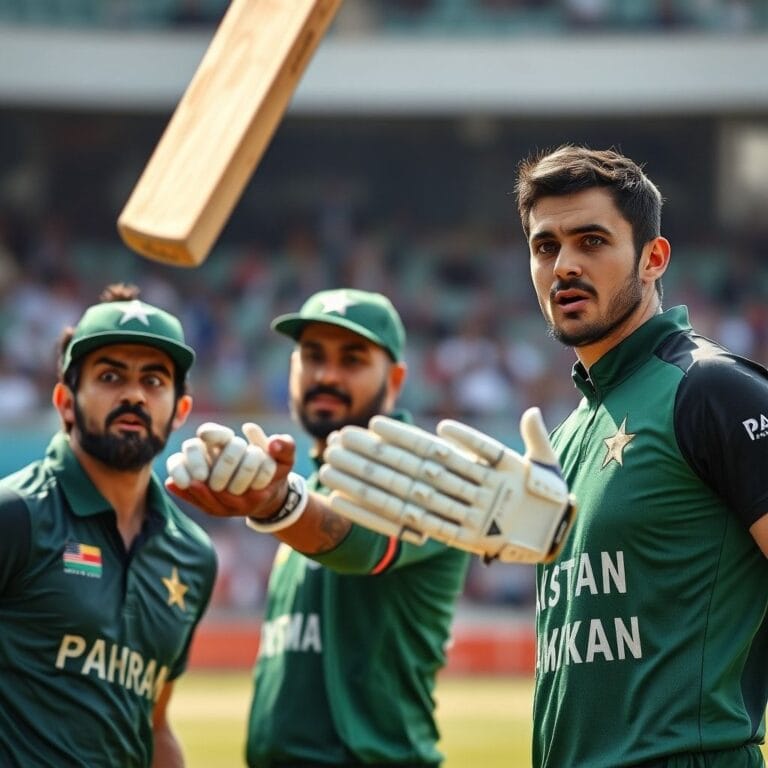
India vs South Africa T20 World Cup run-out controversy
India vs South Africa: The Moment That Defined a T20 World Cup Showdown
The Super 8 showdown between India and South Africa at the Narendra Modi Stadium erupted into a rare on‑field showdown, with Washington Sundar and David Miller sparring over a mid‑over run‑out dispute. The flashpoint not only set the tone for a high‑scoring contest but also exposed how quickly tempers can flare when the pressure cooker is turned up.
India entered the match as one of the tournament favourites, boasting a line‑up built around power hitting and a willingness to take risks in the first half. South Africa, on the other hand, leaned on a blend of measured aggression and veteran composure, a formula that had carried them through the group stage unscathed. The clash promised fireworks, and the early overs delivered a tight chase that hovered around the 140‑run mark before the 14th over sparked the confrontation that would define the game.
The Stats Behind the Strategy
| Metric | India (Super 8) | South Africa (Super 8) |
|---|---|---|
| Run rate at over 13 | 7.8 | 9.2 |
| Boundaries (first 15 overs) | 12 fours, 3 sixes | 15 fours, 6 sixes |
| Non‑straiker run‑outs | 2 | 0 |
| Wickets lost (first 15 overs) | 3 | 2 |
The numbers tell a simple story: South Africa were already a touch ahead in both run rate and boundary count when Sundar’s complaint landed. The extra pressure of a potential run‑out seemed to tip the balance, giving Miller a platform to unleash his 63‑ball blitz.
From a tactical viewpoint, the Indian camp had opted for a partnership‑first approach, sending in a left‑handed opener to rotate the strike while the middle order waited for the perfect half‑century launchpad. The decision to bowl Sundar in the 14th over—a period usually reserved for containment—was a calculated gamble to break the momentum. What transpired instead was a clash of philosophies: Sundar’s insistence on maintaining the ‘spirit of the game’ against Miller’s pragmatic desire to shave a fraction of a second off the run‑out distance.
When the umpire nodded to the protest, the ensuing verbal duel signalled a loss of focus for India. While the Indian batters were left regrouping, Miller, undeterred, turned the moment into a power‑hitting masterclass. His 63 off 35 balls featured a blend of textbook lofted drives and unorthodox wrist work, exploiting the short fine leg that had historically favored South African tail‑enders at Ahmedabad’s dry surface.
Player roles emerged clearly under the pressure. Sundar, traditionally a tidy bowler with a reputation for keeping things neat, found himself as the de‑facto ‘spirit police’. His willingness to raise his voice suggested an internal shift: perhaps a need to assert control when the team’s chase began to wobble. Miller, meanwhile, demonstrated why he is considered one of the world’s most adaptable finishers. He used the confrontation as a catalyst, converting a potentially disruptive moment into a decisive innings that lifted South Africa beyond the 180‑run barrier.
The impact on the tournament bracket cannot be overstated. India’s 76‑run loss placed them in a precarious position, obliging them to win a must‑do final‑group match to stay alive. South Africa, buoyed by the victory, secured a top‑two finish, earning a semi‑final berth and a psychological edge over any opponent that might come after them.
Fans across both nations reacted with a mix of amusement and ire. Indian supporters took to social media to lampoon the incident, sharing clips of Sundar’s animated gestures alongside memes about ‘run‑out drama’. South African fans, meanwhile, celebrated Miller’s response, hailing the innings as a reminder that the Proteas can thrive under pressure. Neutral observers praised the spectacle for adding a human element to a format that sometimes feels overly polished.
Looking ahead, the Indian coaching staff faces a clear dilemma: whether to temper the aggressive mindset that fuels big scores or to reinforce discipline in the middle overs. The lesson from the Super 8 encounter suggests that losing composure can cost more runs than any missed boundary. South Africa, on the other hand, will likely double down on their aggressive intent, knowing that a single explosive performance can swing a knockout game.
In the larger scheme, the episode underscores a timeless truth in T20 cricket: the mental battle is as decisive as the technical one. When players line up for a simple single, the stakes can feel as high as a final. How teams manage those micro‑moments often determines whether a match ends in triumph or turmoil.
Cricket Desk: Want more on David Miller? Check out our David Miller Latest News & Stats.