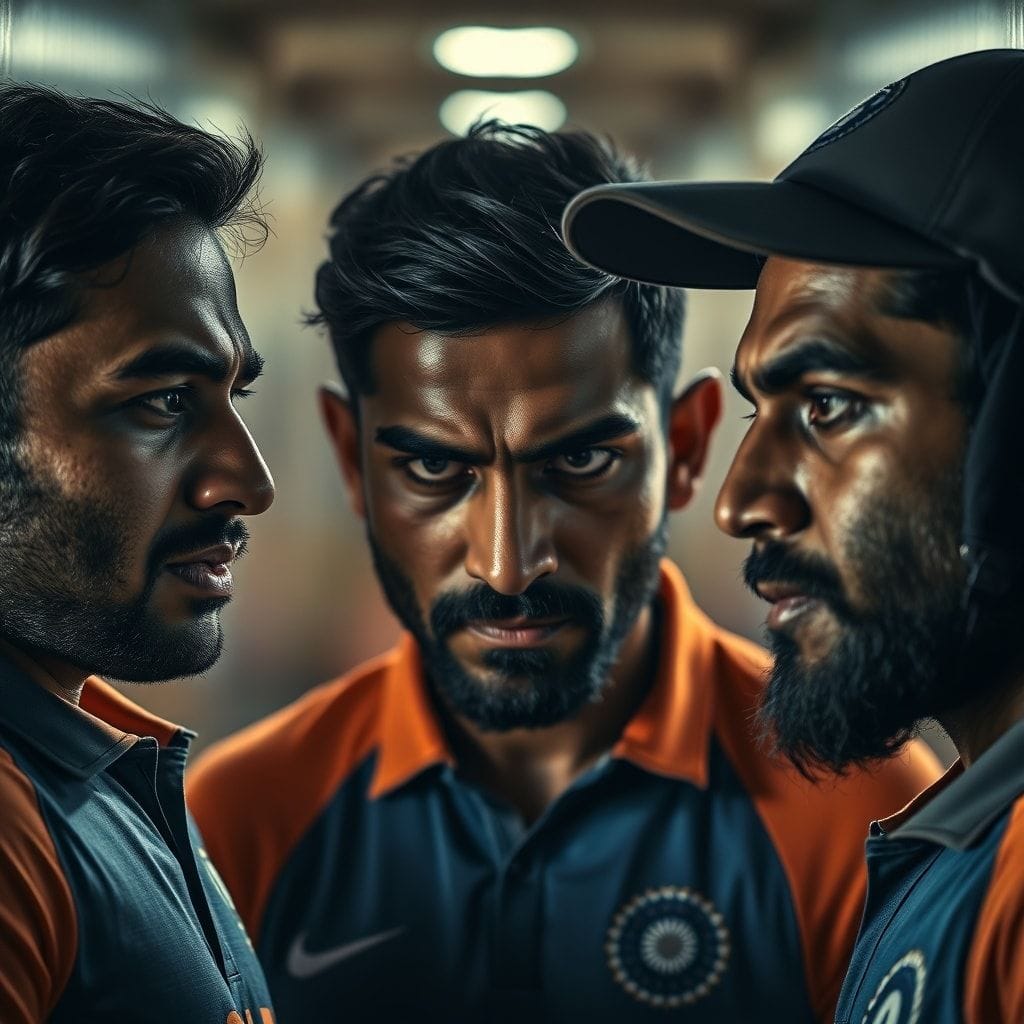
India’s Biggest T20 World Cup Defeat: Tactical Analysis
India’s Historic T20 World Cup Defeat: A Tactical Breakdown
India’s T20 World Cup journey took a sudden, painful turn when South Africa thumped the defending champions by 76 runs in Ahmedabad. The margin not only broke a 12‑match winning streak but also rewrote the record books as India’s biggest defeat in the tournament’s history.
The Stats Behind the Strategy
| Match | Venue | Target Set | India’s Score | Run Deficit |
|---|---|---|---|---|
| South Africa vs India (2026) | Narendra Modi Stadium, Ahmedabad | 188 | 111/9 (18.5 overs) | 76 |
| Australia vs India (2010) | Kensington Oval, Bridgetown | 185 | 135 all out (19.2 overs) | 49 |
| New Zealand vs India (2016) | Vidarbha Cricket Association Stadium, Nagpur | 127 | 79 all out (12.3 overs) | 48 |
These numbers reveal more than just a loss; they expose how venue conditions, bowling plans and batting mindsets intersected to produce each defeat.
Match Context and Tactical Chessboard
South Africa entered the Super 8 clash with a clear game plan – exploit the early swing and then unleash a spin on the slow‑turning surface. The Narendra Modi pitch, though a batting paradise, tends to settle into a slightly low‑bounce, low‑grip track after the first 10 overs. India won the toss and elected to chase, a decision rooted in the comfort of their deep batting order and the belief that a 188 target was within reach.
South Africa’s opening spell, led by June 2026 newcomer Marco Jansen, ripped through India’s top three for 22 runs. Jansen’s 4/22 came from a tight line and subtle seam movement that the Ahmedabad pitch offered early on. The second‑half spell saw the left‑arm spinner Keshav Maharaj lock the stumps with 3/24, turning the ball sharply on a surface that had begun to settle into a fine‑grip pattern.
India’s response was a study in hesitation. Rohit Sharma’s 21 off 15 showed the intent to accelerate, but the moment the ball hovered near the surface, the powerplay wickets fell. The middle order never found a rhythm, and the required run rate surged past 10 per over, forcing a desperate slog‑fest that produced only a handful of boundaries.
Player Roles, Mindset, and Missed Opportunities
Rohit Sharma, the appointed chase‑master, typically thrives on pacing an innings. At Ahmedabad, his aggressive opening left little room for the middle order to settle. Virat Kohli, the anchor, was dismissed for a modest 13, a sign that the pitch’s low bounce was denying his usual back‑foot play.
Jasprit Bumrah, usually a death‑over specialist, was handed the new‑ball because the team wanted a disciplined start. His 3/15 kept South Africa to 20/3, yet the momentum shift after his spell was squandered. When David Miller and Dewald Brevis stitched a 97‑run partnership, India missed a chance to break the stand early, perhaps because the captain hesitated to bring the spinners on.
The lower order, represented by Hardik Pandya and the all‑rounder Ruturaj Gaikwad, faced a target that demanded 11+ runs per over. Their limited scoring options highlighted a strategic oversight – India entered the chase without a clear contingency plan for a high‑run chase on a pitch that was not offering much assistance.
Impact on the Tournament and What Lies Ahead
The 76‑run loss knocked India out of the Super 8 race. With two points left and a net‑run‑rate deficit, India now must rely on the outcomes of other matches, a scenario that feels more like a lottery than a strategy.
For South Africa, the victory catapulted them into the semi‑finals, confirming that disciplined swing bowling coupled with spin can dominate on Indian pitches. Their coach, Shukri Conrad, praised the team’s ability to execute a plan that balanced aggression with control.
India’s camp faces a quick regroup. The coaching staff will likely review the decision to chase at Ahmedabad and consider a more flexible approach – perhaps opting to bat first when conditions favor seam‑aided early wickets.
Fans, Feelings, and Grounded Opinions
The home crowd, accustomed to high‑octane chases, displayed a mixture of stunned silence and pointed chants. Social media buzzed with criticism aimed at the captain’s decision to toss, while veteran fans reminded everyone that even great teams have off‑days. The prevailing sentiment is one of disappointment, but also a belief that the core of the side—Bumrah’s precision, Rohit’s experience, and the emerging talent of Shubman Gill—remains intact.
In the locker room, the players are reportedly focusing on the next tournament—perhaps the Asian Games or the upcoming ODI series—where they can rebuild confidence. The defeat T20 cricket rewards adaptability, and that even on friendly home turf, the margin between victory and a historic loss is razor‑thin.
As the World Cup narrative shifts, the story that will dominate headlines is not just the loss, but how India responds. Will they tighten their batting strategy, diversify their bowlers for early breakthroughs, or perhaps re‑evaluate the decision‑making hierarchy? The answer will determine whether this defeat becomes a footnote or a turning point in India’s T20 saga.
Cricket Desk: Want more on Colombo Cricket Analysis? Check out our Colombo Cricket Analysis Latest News & Stats.