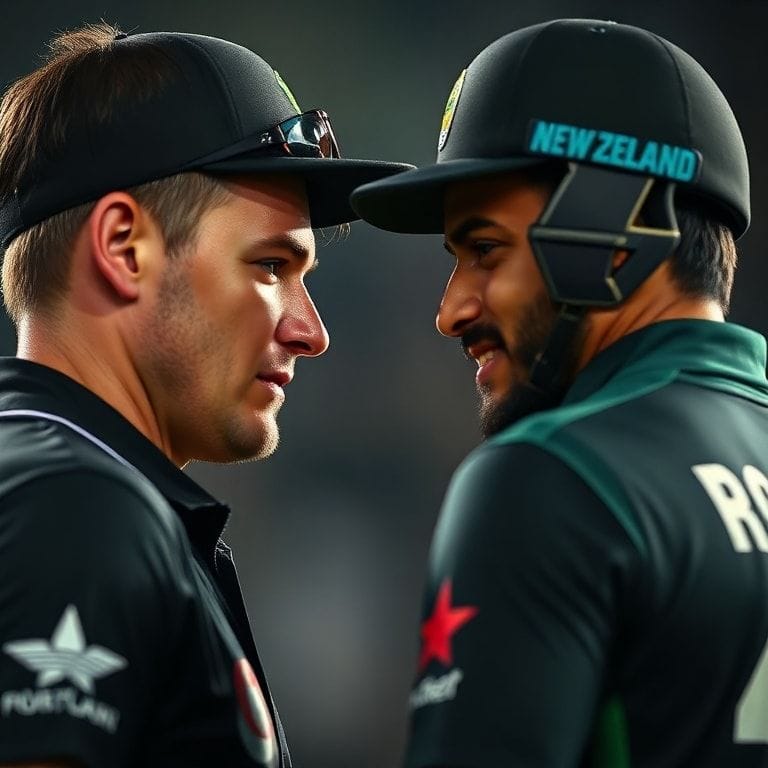
T20 World Cup 2026 Super 8 Stage: Tactics and Key Players
T20 World Cup 2026: Super 8 stage Preview – Tactics, Players, and Venue Insights
The Super 8 round of the 2026 ICC Men’s T20 World Cup kicks off on February 21, and every side starts from zero, meaning a single slip can end a campaign. With Australia out, the eight remaining teams are split between Indian and Sri Lankan venues, turning each match into a de facto knockout.
Match and News Context
Group 1 pits defending champions India against a rejuvenated South Africa, while the West Indies and Zimbabwe complete the mix. All fixtures land at iconic Indian grounds – Ahmedabad’s mega‑stadium, Chennai’s historic turf, and Kolkata’s Eden Gardens. Group 2 stays in Sri Lanka, with Colombo’s R. Premadasa and Kandy’s Pallekele offering contrasting surfaces. The opening clash sees Pakistan take on New Zealand in Colombo, a showdown that could set the tone for the entire group.
Tactical Analysis and Team Decisions
Spin‑friendly decks dominate the Indian venues. The dry, cracked red soil in Ahmedabad and the abrasive surface at Wankhede have historically rewarded flight and turn. South Africa’s quartet of wrist spinners, especially the left‑arm wonder of Saquib Qureshi, will likely be deployed early to choke India’s middle order. Conversely, India will counter with its own spin artillery – R. Ashwin on the second ball, and a surprise leg‑spinner in the fourth over to keep the South African batsmen guessing.
In Sri Lanka, the Kandy pitch offers a mixture of pace and bounce, favoring seamers who can extract variable movement. England’s front‑line pacers – Jofra Archer and Mark Wood – are expected to open, aiming to exploit the early seam. Pakistan, aware of the low‑scoring nature of Colombo’s night games, may drop the heavy hitters for a deeper, technically sound top order, relying on Mohammad Nazim’s ability to rotate the strike against quality swing.
- India vs South Africa – Ahmedabad: Spin early, bat deep, preserve wickets for a final‑over surge.
- Zimbabwe vs West Indies – Mumbai: Fast bowlers exploit reverse swing; West Indies need power‑hitting in the death.
- England vs Sri Lanka – Pallekele: Seam attack early, spin later, chase target with calculated aggression.
Player Roles and Mindset
Virat Kohli enters this stage with a rare blend of experience and hunger. In Ahmedabad’s giant oval, his role morphs into a stabiliser – anchoring the innings while letting the younger guns (Ruturaj Gaikwad, Shivam Dube) loft in the death. The mental pressure of defending a title at home drives him to bat with purpose, not just for runs but to set a template for the side.
South Africa’s Temba Bavuma embraces the role of a finisher. Knowing the spin‑friendly pitch will sap the middle order’s momentum, he plans to accelerate after the powerplay, using his improvisational skill to manipulate the field. His mindset is clear: turn a modest total into a defendable one by exploiting the middle overs.
In Colombo, New Zealand’s all‑rounder Mitchell Santner is the bridge between bat and ball. His left‑arm orthodox spin on a relatively slow surface can double‑up on the opposition’s tail, while his batting offers a steady climb up the scoreboard. New Zealand’s strategy hinges on collective discipline rather than individual brilliance.
The Stats Behind the Strategy
| Venue | Average First‑Inning Score (2022‑24) | Top Spin Bowlers (Economy ≤6) |
|---|---|---|
| Narendra Modi Stadium, Ahmedabad | 148 runs (10 matches) | R. Ashwin (5.4), Yuzvendra Chahal (5.8) |
| Wankhede Stadium, Mumbai | 152 runs (9 matches) | Jasprit Bumrah (5.5), Rahul Tripathi (5.9) |
| R. Premadasa Stadium, Colombo | 141 runs (12 matches) | Suranga Lakmal (5.7), Mitchell Santner (5.9) |
| Pallekele International Cricket Stadium, Kandy | 147 runs (8 matches) | Shaheen Afridi (5.6), Mahe Shane (5.8) |
These numbers reveal why teams are loading spin options in India and tempering aggression in Sri Lanka. A sub‑150 target is often enough to win, but defending it demands disciplined bowling at the death.
Tournament Impact and What Comes Next
With every game worth three points, the Super 8 stage reshapes the World Cup narrative. A win for Pakistan in Colombo could see them leapfrog New Zealand, while a surprise upset by Zimbabwe in Mumbai would rewrite expectations for Group 1.
Assuming India and South Africa edge past their rivals, a semi‑final clash at the Narendra Modi Stadium would be a historic rematch of the 2024 final, raising stakes for both captains. In Sri Lanka, England’s consistency could see them face either Pakistan or New Zealand, setting up a classic contest of pace versus spin.
Fan Perspective and Grounded Opinions
Supporters across the subcontinent are buzzing with excitement, especially after Australia’s early exit. The home crowd expects India to dominate, but fans also understand the fine line between confidence and complacency. Social media threads are already debating whether the spin‑heavy lineups are a gamble or a masterstroke.
In Colombo, Sri Lankan fans are hopeful that the home advantage will translate into a semi‑final berth. Their pride is tied to the venue’s reputation for producing world‑class spinners, and they anticipate a showcase from Wanindu Hasaranga and Akila Kuranga.
the Super 8 phase feels like a pressure‑cooker – one mistake, and a heavyweight nation could find itself watching from the sidelines. The blend of tactical nuance, venue‑specific conditions, and palpable fan energy makes this a must‑watch segment of the 2026 T20 World Cup.
Cricket Desk: Want more on Cricket Tactics? Check out our Cricket Tactics Latest News & Stats.