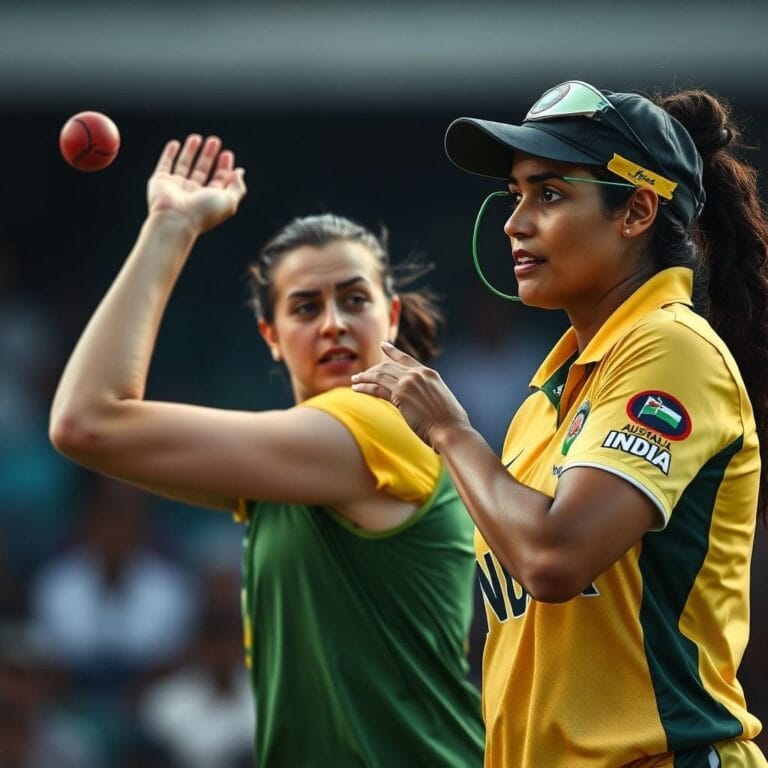
Australia vs Oman T20 World Cup 2026 match preview
Australia vs Oman: A Battle for Pride in Kandy
The clash between Australia and Oman at Pallekele closes Group B of the 2026 T20 World Cup. With both sides already out of the Super 8 race, the match has turned into a battle for pride and a chance to avoid a winless finish.
Match context and the road to Kandy
Australia arrive in Kandy bruised after a shock loss to Zimbabwe and a heavy defeat by Sri Lanka. The 2021 champions, led by a makeshift side after Mitchell Marsh’s injury, have already seen their hopes of a repeat evaporate. Oman, on the other hand, have been learning the pace of World Cup cricket, their only triumph in the tournament a solitary win against a lower‑ranked side.
Both teams know that a single victory can lift morale and give the fans something to celebrate, even if the tournament journey has ended. The atmosphere at Pallekele will be charged, not by the stakes of advancement, but by national pride and the desire to finish on a high note.
Tactical analysis and team decisions
Australia’s first choice is to elect the ball first. The Pallekele surface, while true‑bouncing, tends to become a tad sticky under the lights, especially if the coastal mist rolls in. Bowling first lets the pacers exploit the early seam movement before the dew settles.
Nathan Ellis will be tasked with opening the spell, using his raw pace to test Oman’s openers. If the ball stays on the seam, a short‑run length and a few inch‑wide lines could create early wickets. Adam Zampa, the leg‑spinning all‑rounder, will come on at the end of the Powerplay to mix up the attack. His ability to generate flight and turn will be a key weapon on a surface that offers a touch of lateral movement after the first ten overs.
In the middle order, Australia need Glenn Maxwell and Marcus Stoinis to accelerate. Both players have the power to clear the boundary in a single over, but they also possess the skill to rotate strike if the wickets fall early. Travis Head, now wearing the captain’s cap, will aim to anchor the innings, playing with a measured approach while still probing for quick runs.
Oman’s plan is simple: attack the Australian top order with disciplined swing and pace. Aamir Kaleem, the lone spinner, will be saved for the middle overs, hoping to choke the scoring rate once the powerplay ends. Veteran bowler Bilal Khan, who has a wealth of T20 experience, will lead the new‑ball attack, using his ability to swing the ball both ways on a surface that still offers some seam assistance.
Batting first, Oman will rely on Mohammad Nadeem to set a foundation. The young opener has shown a knack for timing the ball well on flat tracks, and Pallekele’s true bounce should suit his style. If they can post a target above 140, the Australian side will feel pressure to chase under lights.
Player roles and mindset
Travis Head enters the match with a dual burden – captaincy and a personal drive to prove his class after the team’s early exit. His temperament, honed in the Sheffield Shield, suggests he will temper aggression with a clear head, looking to build partnerships rather than gamble.
Glenn Maxwell, often described as a ‘game‑changer’, knows that a quick surge can swing momentum. He will likely target the death overs, aiming for the big hits that can lift the scoreboard in a flash.
For Oman, captain Jatinder Singh will be the emotional anchor. His calm demeanor will be tested as he tries to keep his bowlers focused against a fire‑powerful Australian batting line‑up. Bilal Khan’s experience will be crucial – at 34 he knows how to set fields that protect runs while still digging for wickets.
Aamir Kaleem, the team’s spin option, will look to exploit any wear on the pitch after 10 overs. His flighted deliveries could become increasingly tempting as the ball begins to settle into the surface.
The Stats Behind the Strategy
| Metric | Australia (last 5 T20Is) | Oman (last 5 T20Is) |
|---|---|---|
| Average first‑innings total | 176 | 132 |
| Top‑order wickets (0‑30 runs) | 3.4 per match | 5.2 per match |
| Economy of primary pacer (runs per over) | 7.1 (Ellis) | 8.3 (Khan) |
| Spinners’ average wickets per innings | 1.2 (Zampa) | 0.8 (Kaleem) |
| Successful chase % (targets 130‑150) | 68% | 22% |
The numbers reveal a clear edge for Australia when it comes to chasing modest totals. Oman’s top‑order has been more resilient, but their bowlers concede a higher run rate, especially in the death overs.
Tournament impact and what comes next
Even though the group stage is over for both sides, the result could shape future selections. A win for Australia would give the selectors a reason to retain some of the fringe players for upcoming bilateral series, while a loss could trigger a deeper reshuffle ahead of the 2027 Ashes.
For Oman, a victory would be historic – their first at a World Cup against a Test‑playing nation. It could boost funding for grassroots programs back home and encourage more associate members to aim higher.
Fan perspective and grounded opinions
Australian supporters are feeling a mix of disappointment and stubborn optimism. Social media trends show fans rallying behind the “never give up” mantra, urging the team to finish with a win to restore some dignity.
Omani fans, though smaller in number, are vocal about the pride of taking on a cricket powerhouse. Many hope the match will be a showcase of the nation’s progress and a catalyst for future World Cup appearances.
Regardless of the outcome, the game promises a handful of memorable moments – a few big sixes, a couple of wicket‑taking deliveries, and the inevitable post‑match analysis that will keep the cricketing conversation alive until the next big fixture.
Cricket Desk: Want more on Australia cricket? Check out our Australia cricket Latest News & Stats.